

How to select additives for thin film drying?
Jul 08, 2025
Leave a message
Selecting the right additives for thin film drying is crucial, whether you're in the food, pharmaceutical, or chemical industries. As a thin film drying supplier, I've seen firsthand how the wrong choice can mess up the process and the final product. In this blog, I'll share some tips on how to pick the best additives for your thin film drying needs.
Understanding Thin Film Drying
Before we dive into additives, let's quickly go over what thin film drying is. It's a process where a liquid feed is spread into a thin film over a heated surface. The thin film allows for rapid evaporation of the solvent, leaving behind a dry product. It's super efficient and can handle a wide range of materials. You can learn more about the basics of Thin Film Drying.
Why Additives Matter
Additives play a vital role in thin film drying. They can improve the drying rate, enhance product quality, and prevent issues like fouling and scaling on the drying surface. For example, anti - foaming agents can stop excessive foaming during the drying process, which can otherwise reduce the efficiency of heat transfer.
Types of Additives and Their Selection
Anti - Foaming Agents
Foaming can be a real headache in thin film drying. When a liquid foams, it forms a layer of bubbles that insulates the liquid from the heated surface, slowing down the evaporation process. Anti - foaming agents break down these bubbles. When choosing an anti - foaming agent, you need to consider the nature of your feed. If it's a water - based solution, silicone - based anti - foaming agents are often a good choice. They're effective at low concentrations and don't react with most chemicals. However, if your feed contains organic solvents, you might need to look for non - silicone anti - foaming agents, as silicone can sometimes be insoluble in organic solvents.

Dispersants
Dispersants are used to keep solid particles evenly distributed in the liquid feed. In thin film drying, if the solid particles agglomerate, they can form thick layers on the drying surface, which can lead to uneven drying and poor product quality. When selecting a dispersant, think about the surface properties of the solid particles. For example, if the particles have a hydrophobic surface, a dispersant with a hydrophilic - hydrophobic structure might work well. It can attach to the particles with its hydrophobic end and keep them dispersed in the liquid with its hydrophilic end.
pH Adjusters
The pH of the feed can have a big impact on the thin film drying process. Some materials might be more stable at a certain pH range. For instance, in the pharmaceutical industry, many drugs are sensitive to pH. If the pH is too high or too low, the drug might degrade during the drying process. You need to choose a pH adjuster that can bring the feed to the optimal pH range without reacting with other components in the feed. Common pH adjusters include acids like hydrochloric acid and bases like sodium hydroxide.
Antioxidants
If your product is prone to oxidation, adding antioxidants can help preserve its quality. Oxidation can change the color, taste, and chemical properties of the product. When selecting an antioxidant, consider its solubility in the feed and its effectiveness at the processing temperature. For example, in food products, natural antioxidants like vitamin E are often preferred because they're safe for consumption.
Compatibility with Equipment
It's not just about the additives themselves; you also need to consider their compatibility with your thin film drying equipment. Some additives might react with the materials of the dryer, causing corrosion or fouling. For example, if your dryer has a stainless - steel surface, acidic additives might cause pitting corrosion over time. You should always consult the equipment manufacturer's guidelines when choosing additives. If you're using a Vertical Thin Film Dryer, make sure the additives won't damage its internal components.
Cost - Benefit Analysis
Let's face it, adding additives costs money. You need to do a cost - benefit analysis to see if the benefits of using an additive outweigh the costs. Consider the price of the additive, the amount you need to use, and the potential savings in terms of improved product quality and increased drying efficiency. For example, if an anti - foaming agent can significantly reduce the drying time, it might be worth the investment even if it's a bit expensive.
Testing and Validation
Before you start using an additive on a large scale, it's essential to conduct small - scale tests. You can set up a pilot thin film drying system and try different additives at different concentrations. This will help you determine the optimal additive type and dosage. Monitor the drying rate, product quality, and any potential issues like fouling or corrosion. You can also compare the results with a control run without the additive.
Case Studies
Let me share a quick case study. A food company was having problems with foaming during the thin film drying of a fruit juice concentrate. They tried different anti - foaming agents and found that a silicone - based anti - foaming agent at a concentration of 0.1% by weight was the most effective. It reduced the foaming significantly, which increased the drying rate by 20% and improved the overall quality of the dried fruit powder.
Conclusion
Selecting additives for thin film drying is a complex but important process. You need to consider the nature of your feed, the requirements of your product, the compatibility with your equipment, and the cost - benefit ratio. By following these tips and conducting proper testing, you can choose the right additives to optimize your thin film drying process.
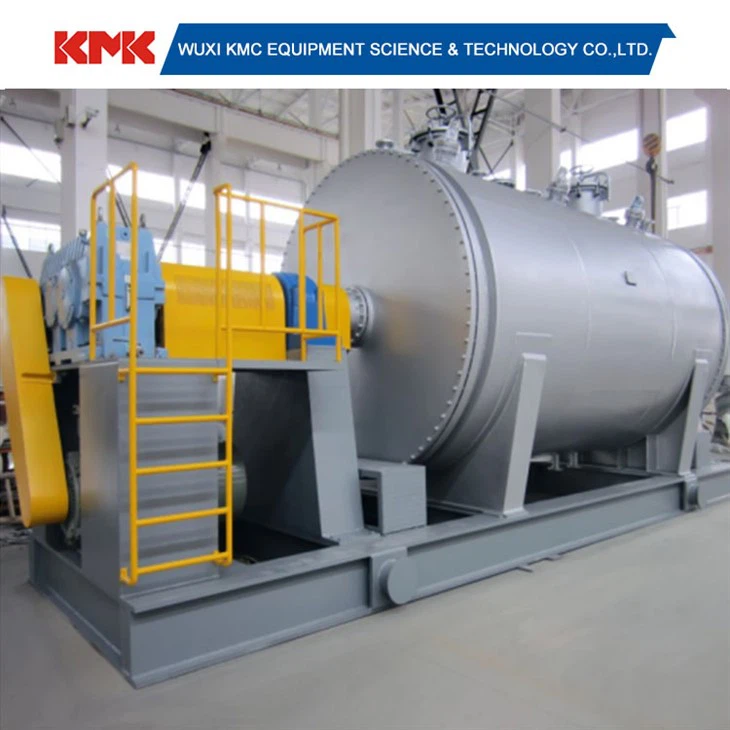
If you're interested in learning more about thin film drying or need help with additive selection for your specific application, don't hesitate to reach out. We're here to assist you in finding the best solutions for your thin film drying needs. Whether you're looking for a Vertical Thin Film Dryer or a High Efficiency Vacuum Rake Dryer, we've got you covered. Contact us to start a discussion about your project and explore the possibilities of improving your thin film drying process.
References
- Perry, R. H., & Green, D. W. (Eds.). (2008). Perry's Chemical Engineers' Handbook. McGraw - Hill.
- Mujumdar, A. S. (Ed.). (2014). Handbook of Industrial Drying. CRC Press.