

How to scale up the operation of a wiped film evaporator from laboratory to industrial scale?
Jan 21, 2026
Leave a message
Scaling up the operation of a wiped film evaporator from the laboratory to an industrial scale is a significant leap that requires careful planning, technical know - how, and a good understanding of the process. As a wiped film evaporator supplier, I've seen firsthand the challenges and opportunities that come with this transition.
Understanding the Basics of Wiped Film Evaporators
Before diving into the scaling - up process, let's quickly go over the basics of wiped film evaporators. These machines are designed to handle heat - sensitive, viscous, and high - boiling point materials. They work by spreading a thin film of the feed material on the inner surface of a heated evaporator body. The wiping system continuously renews this film, which helps in efficient heat transfer and evaporation.
In the lab, wiped film evaporators are used for small - scale experiments, product development, and quality control. They're great for getting a feel for the evaporation process of different materials. But when we talk about industrial scale, we're looking at much larger volumes, higher throughputs, and more continuous operation.
Key Considerations for Scaling Up
1. Material and Throughput
One of the first things to consider when scaling up is the material you're working with. In the lab, you might be dealing with just a few milliliters or grams of a sample. On an industrial scale, you could be handling hundreds or even thousands of liters per hour.
The viscosity, boiling point, and heat sensitivity of the material play a huge role. For example, if you're working with a highly viscous material, you need to make sure that the wiping mechanism in the industrial - scale evaporator can handle it effectively. The throughput requirements also determine the size of the evaporator. A larger evaporator will generally be able to handle higher throughputs, but it also comes with increased costs and energy consumption.
2. Heat Transfer
Heat transfer is crucial for the efficient operation of a wiped film evaporator. In the lab, it's relatively easy to control the heat input and monitor the temperature. However, on an industrial scale, maintaining uniform heat transfer across a larger surface area becomes more challenging.
The design of the heating system needs to be optimized. For instance, using a more advanced heating jacket or multiple heating zones can help ensure that the material gets heated evenly. Also, the heat transfer coefficient of the industrial evaporator should be carefully calculated to match the requirements of the process.
3. Wiping Mechanism
The wiping mechanism is what makes wiped film evaporators so effective. In the lab, a simple wiping system might work just fine. But when scaling up, you need a more robust and reliable mechanism that can handle the increased load and continuous operation.
There are different types of wiping systems available, such as blade wipers and roller wipers. You need to choose the one that suits your material and throughput requirements. For example, blade wipers are good for materials with lower viscosities, while roller wipers can handle more viscous materials better.
Technological Adaptations
1. Automation and Control
Industrial - scale operations require a high level of automation and control. In the lab, you can manually adjust the settings and monitor the process. But on an industrial scale, it's not practical to have a person constantly adjusting the parameters.
Automated control systems can regulate the feed rate, temperature, pressure, and other critical parameters. They can also provide real - time data on the operation of the evaporator, which helps in troubleshooting and optimizing the process. For example, if the temperature starts to deviate from the set point, the control system can automatically adjust the heat input.
2. Safety Features
Safety is a top priority in industrial operations. Wiped film evaporators operate at high temperatures and pressures, and they often handle hazardous materials. So, the industrial - scale evaporator needs to be equipped with advanced safety features.
These can include pressure relief valves, temperature sensors, and emergency shut - off systems. In case of an overpressure or overtemperature situation, these safety features can prevent accidents and protect the equipment and the operators.
3. Energy Efficiency
Scaling up to an industrial level means higher energy consumption. As an evaporator supplier, we're always looking for ways to make our machines more energy - efficient.
One way is to use Mechanical Compression Evaporator. These evaporators use a compressor to increase the pressure and temperature of the vapor, which can then be reused for heating the feed material. This significantly reduces the external energy input required for evaporation.
Testing and Validation
1. Pilot - Scale Testing
Before going full - scale with an industrial wiped film evaporator, it's a good idea to conduct pilot - scale testing. A pilot - scale evaporator is a smaller version of the industrial one, but it still operates under similar conditions.
This testing allows you to fine - tune the process parameters, such as feed rate, temperature, and wiping speed. You can also evaluate the performance of the evaporator in terms of throughput, product quality, and energy consumption. Based on the results of the pilot - scale testing, you can make any necessary adjustments before investing in a full - scale industrial evaporator.
2. Validation of Results
Once you've completed the pilot - scale testing, you need to validate the results. This involves comparing the performance of the pilot - scale evaporator with the expected results for the industrial scale.
You can use statistical analysis to determine if the process is consistent and reliable. If there are any discrepancies, you need to investigate the cause and make the necessary modifications. Validation is crucial to ensure that the industrial - scale evaporator will meet the production requirements and product quality standards.

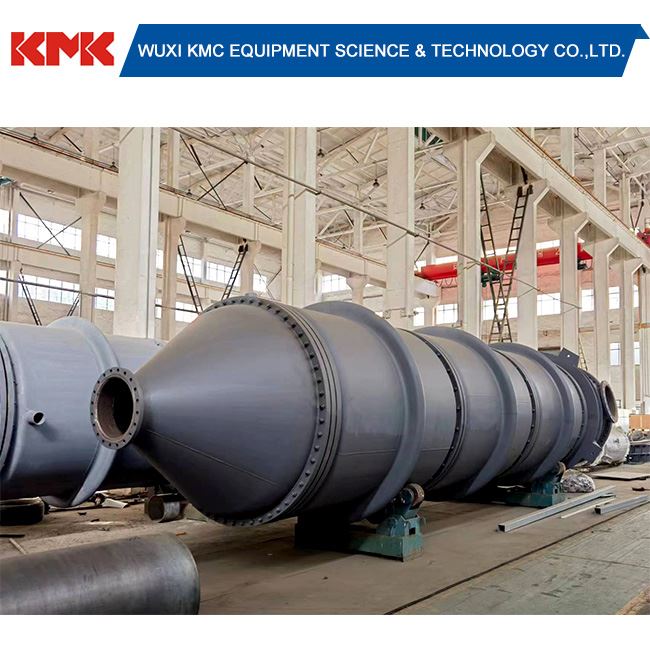
Applications at Industrial Scale
1. Chemical Industry
In the chemical industry, wiped film evaporators are used for the purification of chemicals, separation of mixtures, and concentration of solutions. At an industrial scale, they can handle large - volume production of high - purity chemicals. For example, in the production of specialty chemicals, a wiped film evaporator can be used to remove impurities and obtain a high - quality product.
2. Food and Beverage Industry
The food and beverage industry also benefits from industrial - scale wiped film evaporators. They can be used for the concentration of fruit juices, removal of solvents from food products, and the production of food additives. The evaporators' ability to handle heat - sensitive materials makes them ideal for these applications.
3. Environmental Applications
Industrial Wastewater Evaporator is another important application area. Industrial wastewater often contains high concentrations of pollutants and heavy metals. Wiped film evaporators can be used to separate the water from the contaminants, reducing the volume of wastewater and making it easier to treat and dispose of.
Conclusion
Scaling up the operation of a wiped film evaporator from the laboratory to an industrial scale is a complex but achievable task. It requires a thorough understanding of the material, process, and technological requirements. As a wiped film evaporator supplier, we're here to help you every step of the way. Whether you need advice on the design, selection of the right equipment, or troubleshooting during the scaling - up process, we've got you covered.
If you're considering scaling up your wiped film evaporation process to an industrial level, don't hesitate to reach out. We can provide you with detailed information about our products, including Short Path Evaporator, and help you find the best solution for your specific needs. Let's work together to make your industrial - scale evaporation process a success.
References
- Perry, R. H., & Green, D. W. (2008). Perry's Chemical Engineers' Handbook. McGraw - Hill.
- Walas, S. M. (1990). Chemical Process Equipment: Selection and Design. Butterworth - Heinemann.