

How to optimize the operation of a wiped film evaporator?
Jun 19, 2025
Leave a message
Optimizing the operation of a wiped film evaporator is crucial for enhancing efficiency, product quality, and overall productivity in various industrial applications. As a leading wiped film evaporator supplier, we understand the significance of providing our customers with the knowledge and strategies to achieve optimal performance. In this blog post, we will explore key factors and practical tips to help you optimize the operation of your wiped film evaporator.
Understanding the Wiped Film Evaporator
Before delving into optimization strategies, it's essential to have a basic understanding of how a wiped film evaporator works. A wiped film evaporator is a type of thin - film evaporator that uses a rotating wiper system to spread the feed liquid into a thin film on the heated evaporation surface. This design allows for efficient heat transfer and short residence times, making it suitable for processing heat - sensitive, viscous, and high - boiling point materials.
The main components of a wiped film evaporator include the evaporation chamber, heating jacket, wiper blades, condenser, and feed and product outlets. The feed material enters the top of the evaporator and is distributed evenly on the heated wall by the wiper blades. As the film flows down the wall, the volatile components evaporate, and the vapor is condensed in the condenser, while the concentrated product is collected at the bottom.
Feed Preparation
Proper feed preparation is the first step in optimizing the operation of a wiped film evaporator. The feed material should be free of solid particles, as these can cause abrasion to the wiper blades and the evaporation surface, leading to reduced efficiency and increased maintenance costs. Filtration of the feed can be an effective way to remove solid contaminants.
The viscosity of the feed also plays a crucial role. High - viscosity feeds can impede the formation of a uniform thin film, reducing heat transfer efficiency. If the feed viscosity is too high, pre - treatment methods such as dilution or heating can be employed to lower the viscosity. Additionally, the composition of the feed should be well - understood. Different components in the feed may have different evaporation characteristics, which can affect the separation efficiency.
Temperature and Pressure Control
Temperature and pressure are two critical parameters in the operation of a wiped film evaporator. The temperature of the heating medium in the jacket directly affects the evaporation rate. However, it's important to avoid over - heating, especially when dealing with heat - sensitive materials, as this can cause thermal degradation.
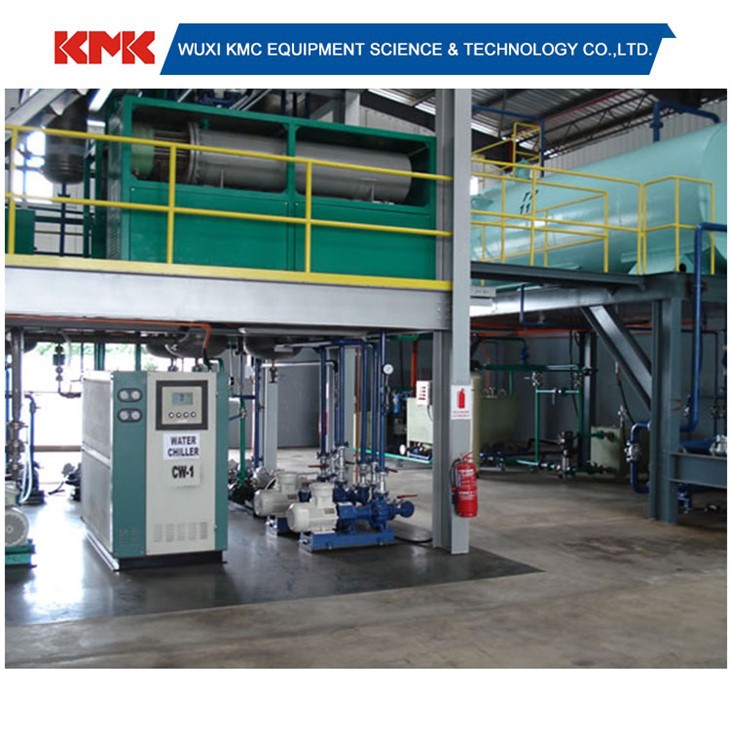
The pressure inside the evaporator also influences the evaporation process. Lowering the pressure reduces the boiling point of the feed components, allowing for evaporation at lower temperatures. This is particularly beneficial for heat - sensitive materials. By carefully controlling the pressure, you can optimize the separation of different components in the feed. For example, in the Evaporative Distillation Engineering, precise temperature and pressure control are essential for achieving high - purity distillates.

Wiper Blade Maintenance
The wiper blades are one of the most important components in a wiped film evaporator. They are responsible for spreading the feed into a thin film and ensuring efficient heat transfer. Regular inspection and maintenance of the wiper blades are necessary to ensure their proper functioning.
Over time, the wiper blades can wear out due to friction with the evaporation surface and the feed material. Worn - out wiper blades may not be able to spread the feed evenly, resulting in uneven film thickness and reduced evaporation efficiency. It's recommended to replace the wiper blades at regular intervals based on the operating conditions and the manufacturer's guidelines.
Evaporation Surface Cleaning
The evaporation surface of the wiped film evaporator can accumulate fouling over time. Fouling is the deposition of non - volatile substances on the surface, which can act as an insulating layer, reducing heat transfer efficiency. Regular cleaning of the evaporation surface is essential to prevent fouling.
Chemical cleaning methods can be used, but they should be carefully selected to avoid damage to the evaporation surface. Physical cleaning methods, such as mechanical scraping or high - pressure water jet cleaning, can also be effective. In some cases, using a self - cleaning design or a surface coating that resists fouling can be a long - term solution.
Condenser Efficiency
The condenser plays a vital role in the overall performance of the wiped film evaporator. Efficient condensation of the vapor is necessary to maintain the pressure balance inside the system and to collect the distillate. The cooling water flow rate and temperature in the condenser should be carefully controlled.
A low cooling water flow rate or a high cooling water temperature can lead to incomplete condensation, which can increase the pressure inside the evaporator and reduce the evaporation efficiency. Regular inspection of the condenser tubes for blockages or scaling is also important to ensure optimal heat transfer in the condenser.
Process Monitoring and Automation
Implementing a comprehensive process monitoring system is essential for optimizing the operation of a wiped film evaporator. Key parameters such as temperature, pressure, flow rate, and product quality should be continuously monitored. This allows operators to detect any deviations from the normal operating conditions and take corrective actions in a timely manner.
Automation can further enhance the efficiency and reliability of the operation. Automated control systems can adjust the process parameters based on the monitored data, ensuring consistent performance and reducing the risk of human error. For example, an automated system can adjust the heating medium flow rate and pressure in response to changes in the feed flow rate or composition.
Application - Specific Considerations
Different applications may require specific optimization strategies. For example, in the case of the Special Evaporator For Cutting Fluid (polyethylene Glycol), the properties of the cutting fluid, such as its chemical composition and the presence of additives, need to be considered. The evaporator may need to be designed with specific materials to resist corrosion caused by the cutting fluid.
In the Agitated Thin Film Evaporator, the agitation mechanism can be adjusted to optimize the film formation and heat transfer. The speed of the agitator can be varied depending on the viscosity and flow characteristics of the feed.
Conclusion
Optimizing the operation of a wiped film evaporator is a multi - faceted process that involves feed preparation, temperature and pressure control, component maintenance, and process monitoring. By paying attention to these key factors and implementing the appropriate optimization strategies, you can significantly improve the efficiency, productivity, and product quality of your wiped film evaporator system.
As a wiped film evaporator supplier, we are committed to providing our customers with high - quality equipment and comprehensive technical support. If you are interested in learning more about how to optimize the operation of our wiped film evaporators or are considering a new purchase, we encourage you to contact us for a detailed consultation. Our team of experts will be happy to assist you in finding the best solutions for your specific needs.
References
- Merson, R. L., & Morgan, J. R. (1976). Evaporation and Drying of Foods. Westport, CT: Avi Publishing Co.
- Walas, S. M. (1985). Chemical Process Equipment: Selection and Design. Butterworth - Heinemann.
- Strigle, R. F. (1994). Packed Tower Design and Applications: Industrial and Environmental Practice. Gulf Publishing Company.