

How to optimize the air distribution in a thin layer dryer?
Jul 04, 2025
Leave a message
Hey there! As a supplier of thin layer dryers, I've seen firsthand how crucial it is to optimize air distribution in these machines. A well-optimized air distribution system can significantly improve the drying efficiency, reduce energy consumption, and ensure uniform drying of the materials. In this blog post, I'm gonna share some tips and tricks on how to optimize the air distribution in a thin layer dryer.
Understanding the Basics of Air Distribution in a Thin Layer Dryer
Before we dive into the optimization strategies, let's first understand how air distribution works in a thin layer dryer. In a typical thin layer dryer, hot air is blown through the material layer to remove moisture. The air flow rate, temperature, and humidity play a vital role in the drying process. If the air is not distributed evenly across the material layer, some parts of the material may dry faster than others, leading to uneven drying and reduced product quality.
Factors Affecting Air Distribution
There are several factors that can affect the air distribution in a thin layer dryer. These include:
- Design of the dryer: The design of the dryer, including the shape and size of the drying chamber, the location of the air inlets and outlets, and the presence of baffles or other flow control devices, can have a significant impact on the air distribution.
- Material properties: The properties of the material being dried, such as its particle size, shape, density, and moisture content, can also affect the air distribution. For example, materials with a high moisture content may require a higher air flow rate to remove the moisture effectively.
- Air flow rate and temperature: The air flow rate and temperature are critical parameters that need to be carefully controlled to ensure uniform drying. A higher air flow rate can increase the drying rate, but it may also cause the material to be blown away or damage the dryer. Similarly, a higher air temperature can accelerate the drying process, but it may also cause the material to overheat or degrade.
Optimization Strategies
Now that we understand the factors affecting air distribution, let's look at some strategies to optimize it.
1. Optimize the Dryer Design
The design of the dryer is the first step in optimizing air distribution. Here are some design considerations:
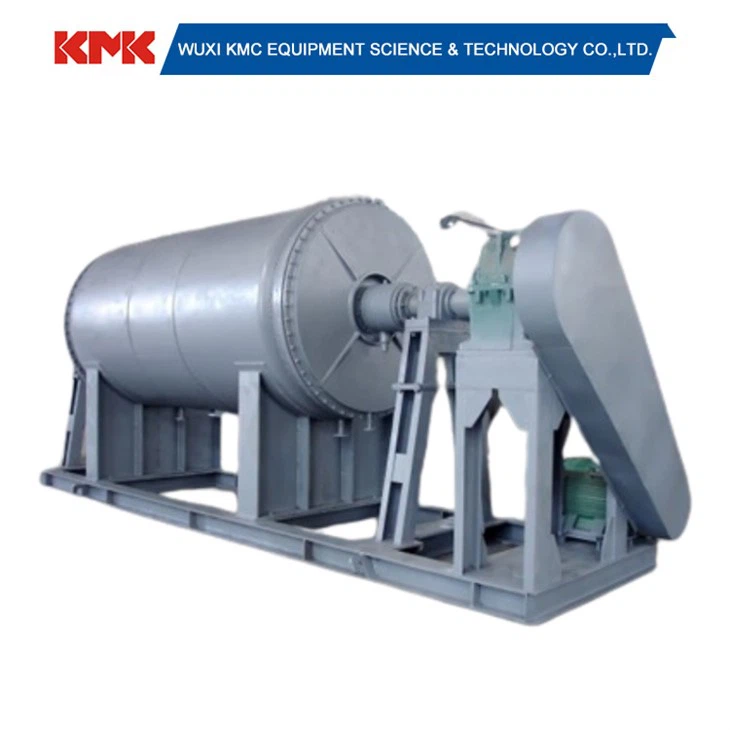

- Uniform air distribution: The air inlets and outlets should be designed to ensure uniform air distribution across the material layer. This can be achieved by using multiple air inlets and outlets, or by using baffles or other flow control devices to direct the air flow.
- Proper air flow path: The air flow path should be designed to minimize the resistance to air flow and ensure that the air reaches all parts of the material layer. This can be achieved by using a smooth and streamlined drying chamber, and by avoiding sharp corners or obstructions in the air flow path.
- Adjustable air flow rate and temperature: The dryer should be equipped with adjustable air flow rate and temperature controls to allow for precise control of the drying process. This can help to ensure uniform drying and prevent overheating or under-drying of the material.
2. Select the Right Material Handling Equipment
The material handling equipment used in the dryer can also affect the air distribution. Here are some considerations:
- Uniform material loading: The material should be loaded into the dryer uniformly to ensure that the air can flow through the material layer evenly. This can be achieved by using a conveyor belt or other material handling equipment that can distribute the material evenly across the drying chamber.
- Proper material thickness: The thickness of the material layer should be carefully controlled to ensure that the air can penetrate the material effectively. A thicker material layer may require a higher air flow rate to achieve uniform drying.
- Avoid material blockage: The material handling equipment should be designed to prevent material blockage in the dryer. This can be achieved by using a vibrating conveyor or other equipment that can prevent the material from sticking together or clogging the air flow path.
3. Monitor and Control the Air Flow Rate and Temperature
Monitoring and controlling the air flow rate and temperature is essential for optimizing air distribution in a thin layer dryer. Here are some tips:
- Use sensors: The dryer should be equipped with sensors to monitor the air flow rate, temperature, and humidity. This can help to ensure that the drying process is operating within the desired parameters.
- Adjust the air flow rate and temperature: Based on the sensor readings, the air flow rate and temperature can be adjusted to optimize the drying process. For example, if the temperature is too high, the air flow rate can be increased to cool the material down.
- Maintain a stable air flow rate and temperature: The air flow rate and temperature should be maintained at a stable level throughout the drying process to ensure uniform drying. Fluctuations in the air flow rate or temperature can cause uneven drying and reduce the product quality.
4. Regular Maintenance and Cleaning
Regular maintenance and cleaning of the dryer are essential for ensuring optimal air distribution. Here are some maintenance tips:
- Clean the air filters: The air filters should be cleaned regularly to prevent them from becoming clogged with dust and debris. A clogged air filter can reduce the air flow rate and affect the air distribution.
- Inspect the air ducts and fans: The air ducts and fans should be inspected regularly to ensure that they are clean and in good working condition. Any damage or blockage in the air ducts or fans can affect the air distribution.
- Lubricate the moving parts: The moving parts of the dryer, such as the conveyor belt and the fans, should be lubricated regularly to ensure smooth operation. This can help to prevent wear and tear and ensure that the air distribution is not affected.
Case Studies
To illustrate the effectiveness of these optimization strategies, let's look at some case studies.
Case Study 1: Optimizing Air Distribution in a ZHG-II Series Vacuum Rake Dryer
A customer was experiencing uneven drying in their ZHG-II Series Vacuum Rake Dryer. After a thorough analysis of the dryer design and operating parameters, we recommended the following optimization measures:
- Installed a baffle system: We installed a baffle system in the drying chamber to improve the air distribution. The baffle system helped to direct the air flow evenly across the material layer, resulting in more uniform drying.
- Adjusted the air flow rate and temperature: We adjusted the air flow rate and temperature based on the sensor readings to ensure that the drying process was operating within the desired parameters. This helped to prevent overheating or under-drying of the material.
- Regular maintenance and cleaning: We provided the customer with a maintenance schedule and trained their staff on how to perform regular maintenance and cleaning of the dryer. This helped to ensure that the dryer was operating at its optimal performance.
After implementing these optimization measures, the customer reported a significant improvement in the drying efficiency and product quality. The uneven drying problem was eliminated, and the customer was able to achieve a higher throughput with less energy consumption.
Case Study 2: Optimizing Air Distribution in a ZHG-I Series Vacuum Rake Dryer
Another customer was facing similar issues with their ZHG-I Series Vacuum Rake Dryer. We recommended the following optimization measures:
- Redesigned the air inlets and outlets: We redesigned the air inlets and outlets to improve the air distribution across the material layer. The new design ensured that the air was evenly distributed across the drying chamber, resulting in more uniform drying.
- Upgraded the material handling equipment: We upgraded the material handling equipment to ensure uniform material loading and prevent material blockage in the dryer. This helped to improve the air flow through the material layer and reduce the drying time.
- Implemented a monitoring and control system: We installed a monitoring and control system to monitor the air flow rate, temperature, and humidity. The system allowed the customer to adjust the air flow rate and temperature in real-time based on the sensor readings, ensuring optimal drying performance.
After implementing these optimization measures, the customer was able to achieve a significant improvement in the drying efficiency and product quality. The drying time was reduced by 30%, and the energy consumption was reduced by 20%.
Conclusion
Optimizing air distribution in a thin layer dryer is essential for improving the drying efficiency, reducing energy consumption, and ensuring uniform drying of the materials. By following the strategies outlined in this blog post, you can optimize the air distribution in your dryer and achieve better results.
If you're interested in learning more about our thin layer dryers, including the Vacuum Rake Dryer, or if you have any questions about optimizing air distribution in your dryer, please don't hesitate to contact us. We'd be happy to help you find the best solution for your needs and discuss the possibility of a purchase.
References
- Mujumdar, A. S. (Ed.). (2014). Handbook of industrial drying. CRC press.
- Strumillo, C., & Kudra, T. (1986). Drying: principles, applications, and design. Gordon and Breach Science Publishers.