

How to improve the energy efficiency of a thin layer dryer?
Jun 09, 2025
Leave a message
Hey there! As a supplier of Thin Layer Dryers, I've seen firsthand how crucial energy efficiency is in today's industrial landscape. High energy consumption not only drives up operational costs but also has a significant impact on the environment. So, I'm here to share some practical tips on how to improve the energy efficiency of a thin layer dryer.
Understanding the Basics of Thin Layer Dryers
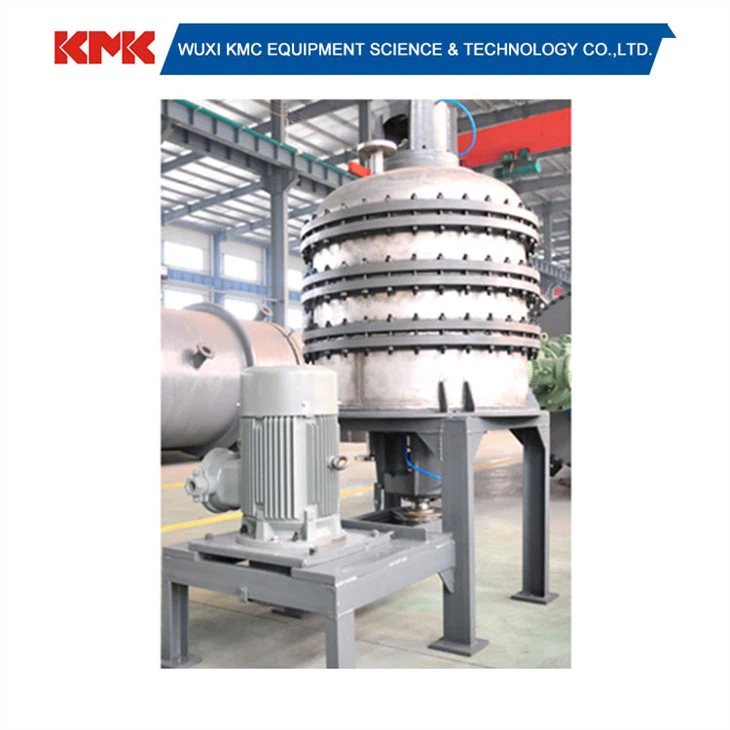
Before we dive into the energy - saving strategies, let's quickly go over what thin layer dryers are. Thin layer dryers, also known as Thin Film Dryers, are used to remove moisture from various materials. They work by spreading the material into a thin layer on a heated surface, allowing for efficient heat transfer and evaporation. There are different types, like Agitated Thin Film Dryers and Wiped Film Drying systems, each with its own set of advantages.
Optimize the Operating Temperature
One of the most effective ways to improve energy efficiency is to optimize the operating temperature of the thin layer dryer. Running the dryer at a higher temperature than necessary can waste a lot of energy. You need to find the sweet spot where the drying process is efficient without over - heating.

Conduct some tests to determine the minimum temperature required to achieve the desired moisture content in your product. This might involve a bit of trial and error, but it's worth it in the long run. For example, if you're drying a heat - sensitive material, a lower temperature might be sufficient, and running the dryer at a high temperature could damage the product as well as waste energy.
Improve Heat Transfer
Good heat transfer is key to an energy - efficient thin layer dryer. There are several ways to enhance it. First, make sure the heating surface is clean. Over time, dirt, scale, and other deposits can build up on the surface, reducing its ability to transfer heat effectively. Regular cleaning and maintenance of the heating surface can significantly improve heat transfer.
Another way is to use a high - conductivity material for the heating surface. Materials like stainless steel or copper have good thermal conductivity, which means they can transfer heat more efficiently. Upgrading the heating surface material might require an initial investment, but it can lead to long - term energy savings.
Control the Feed Rate
The feed rate of the material into the dryer also plays a role in energy efficiency. If the feed rate is too high, the material might not dry properly, and you'll end up having to run the dryer for longer periods, consuming more energy. On the other hand, if the feed rate is too low, the dryer might be operating below its optimal capacity, which is also wasteful.
You need to find the right balance. Start by determining the maximum feed rate that the dryer can handle while still achieving the desired drying quality. This can be done through a series of tests, adjusting the feed rate gradually and monitoring the drying results.
Recover Waste Heat
A lot of energy is lost as waste heat during the drying process. You can capture and reuse this waste heat to improve energy efficiency. For example, you can use a heat exchanger to transfer the heat from the exhaust gases to the incoming feed material or to pre - heat the air used in the drying process.
There are different types of heat exchangers available, such as plate - type or shell - and - tube heat exchangers. The choice of heat exchanger depends on factors like the temperature and flow rate of the waste heat source and the requirements of the application. By recovering waste heat, you can reduce the amount of external energy needed to operate the dryer.
Use Variable Frequency Drives (VFDs)
Variable Frequency Drives are a great way to control the speed of the motors in the thin layer dryer. Motors often consume a significant amount of energy, and running them at a constant speed might not be necessary. With a VFD, you can adjust the motor speed according to the actual load requirements.
For example, if the dryer is operating at a lower capacity, the VFD can slow down the motor, reducing energy consumption. When the load increases, the VFD can increase the motor speed to meet the demand. Installing VFDs on the motors of the dryer can lead to substantial energy savings over time.
Regular Maintenance
Regular maintenance is essential for keeping the thin layer dryer running efficiently. Check the seals and gaskets regularly to make sure there are no air leaks. Air leaks can cause heat loss and reduce the efficiency of the dryer. Replace any worn - out seals or gaskets promptly.
Inspect the belts, bearings, and other moving parts for wear and tear. Lubricate the moving parts as recommended by the manufacturer to reduce friction and energy consumption. A well - maintained dryer will not only use less energy but also have a longer lifespan.
Employee Training
Your employees play a crucial role in the energy efficiency of the thin layer dryer. Make sure they are trained on how to operate the dryer efficiently. Teach them about the importance of following the optimal operating parameters, such as temperature, feed rate, and motor speed.
Encourage them to report any issues or inefficiencies they notice during the operation of the dryer. By involving your employees in the energy - saving efforts, you can create a culture of energy efficiency in your workplace.
Conclusion
Improving the energy efficiency of a thin layer dryer is a multi - faceted approach. It involves optimizing the operating temperature, improving heat transfer, controlling the feed rate, recovering waste heat, using VFDs, regular maintenance, and employee training. By implementing these strategies, you can reduce your energy consumption, lower your operating costs, and make your drying process more sustainable.
If you're interested in learning more about how to improve the energy efficiency of your thin layer dryer or are looking to purchase a new, energy - efficient thin layer dryer, I'd love to have a chat with you. Feel free to reach out, and we can discuss your specific needs and how we can help you achieve your energy - saving goals.
References
- "Industrial Drying Technology" by Arun S. Mujumdar
- "Energy - Efficient Drying Processes" research papers from relevant industry journals.