

How to choose a thin film evaporator?
Jun 11, 2025
Leave a message
When it comes to industrial separation and concentration processes, thin film evaporators play a crucial role. As a trusted Thin Film Evaporation supplier, I understand the importance of making the right choice when selecting a thin film evaporator for your specific needs. In this blog post, I will guide you through the key factors to consider, helping you make an informed decision that aligns with your operational requirements and budget.
Understanding Thin Film Evaporators
Thin film evaporators are designed to efficiently separate volatile components from less volatile ones by creating a thin film of the feed material on a heated surface. This thin film allows for rapid heat transfer and short residence times, minimizing thermal degradation of heat - sensitive products. There are different types of thin film evaporators, each with its own unique characteristics and applications.
Types of Thin Film Evaporators
-
Horizontal Thin Film Evaporators
Horizontal thin film evaporators are widely used in various industries. They offer excellent heat transfer efficiency and are suitable for handling viscous and fouling materials. The horizontal design allows for easy maintenance and cleaning. To learn more about Horizontal Thin Film Evaporators, you can visit Horizontal Thin Film Evaporators. -
Climbing And Falling Film Plate Evaporator
Climbing and falling film plate evaporators are characterized by their plate - type heat exchanger design. They are ideal for applications where high heat transfer coefficients are required. These evaporators can handle a wide range of feed concentrations and are often used in the food, pharmaceutical, and chemical industries. Check out Climbing And Falling Film Plate Evaporator for more details. -
Forced Circulation Evaporator
Forced circulation evaporators use a pump to circulate the feed liquid through the heating tubes. This type of evaporator is suitable for handling highly viscous and scaling materials. It provides a high degree of control over the evaporation process and is commonly used in industries such as mining, wastewater treatment, and chemical manufacturing. You can find more information about Forced Circulation Evaporator.
Factors to Consider When Choosing a Thin Film Evaporator
1. Product Characteristics
- Thermal Sensitivity: If your product is heat - sensitive, you need an evaporator that can provide short residence times and low operating temperatures. For example, in the pharmaceutical industry, many active ingredients are heat - sensitive, and a thin film evaporator with a short path and efficient heat transfer is essential to preserve the product's integrity.
- Viscosity: The viscosity of the feed material affects the flow behavior and heat transfer efficiency. High - viscosity materials may require a forced - circulation or horizontal thin film evaporator to ensure proper distribution and evaporation. For instance, in the production of polymers, where the feed has a high viscosity, a forced - circulation evaporator can be a good choice.
- Fouling Tendency: Some materials have a tendency to form deposits on the heating surface, which can reduce heat transfer efficiency and increase maintenance requirements. For materials with a high fouling tendency, an evaporator with easy - to - clean surfaces or a self - cleaning mechanism should be considered.
2. Capacity Requirements
- Throughput: Determine the required evaporation rate (kg/h or lb/h) based on your production volume. This will help you select an evaporator with the appropriate size and capacity. For example, in a large - scale chemical plant, a high - capacity thin film evaporator is needed to meet the production demands.
- Batch or Continuous Operation: Decide whether you need a batch - type or continuous - flow evaporator. Batch operation is suitable for small - scale production or when different products need to be processed sequentially. Continuous operation, on the other hand, is more efficient for large - scale, high - volume production.
3. Operating Conditions
- Temperature and Pressure: Consider the operating temperature and pressure requirements of your process. Some products may require evaporation at low pressures to reduce the boiling point and minimize thermal degradation. For example, in the production of essential oils, vacuum evaporation at low temperatures is often used to preserve the aroma and flavor compounds.
- Energy Efficiency: Look for an evaporator that offers high energy efficiency to reduce operating costs. Some modern thin film evaporators are designed with advanced heat recovery systems that can significantly lower energy consumption.
4. Material of Construction
- Compatibility: The material of the evaporator's wetted parts must be compatible with the feed material to prevent corrosion and contamination. For example, in the food and beverage industry, stainless steel is commonly used due to its corrosion resistance and hygienic properties.
- Durability: Choose a material that can withstand the operating conditions and provide long - term durability. High - quality materials can reduce maintenance costs and downtime.
5. Maintenance and Serviceability
- Ease of Cleaning: An evaporator that is easy to clean will reduce maintenance time and ensure consistent performance. Look for designs with smooth surfaces, accessible components, and simple disassembly procedures.
- Availability of Spare Parts: Ensure that spare parts are readily available to minimize downtime in case of a breakdown. A reliable supplier should offer a comprehensive range of spare parts and prompt customer support.
6. Cost
- Capital Cost: The initial purchase price of the evaporator is an important consideration. However, it should not be the only factor. Compare the prices of different models and suppliers, taking into account the features, capacity, and quality.
- Operating Cost: Consider the long - term operating costs, including energy consumption, maintenance, and replacement of parts. A more energy - efficient evaporator may have a higher initial cost but can result in significant savings over time.
Conclusion
Choosing the right thin film evaporator is a critical decision that can have a significant impact on your production process and bottom line. By carefully considering the product characteristics, capacity requirements, operating conditions, material of construction, maintenance needs, and cost, you can select an evaporator that meets your specific needs.

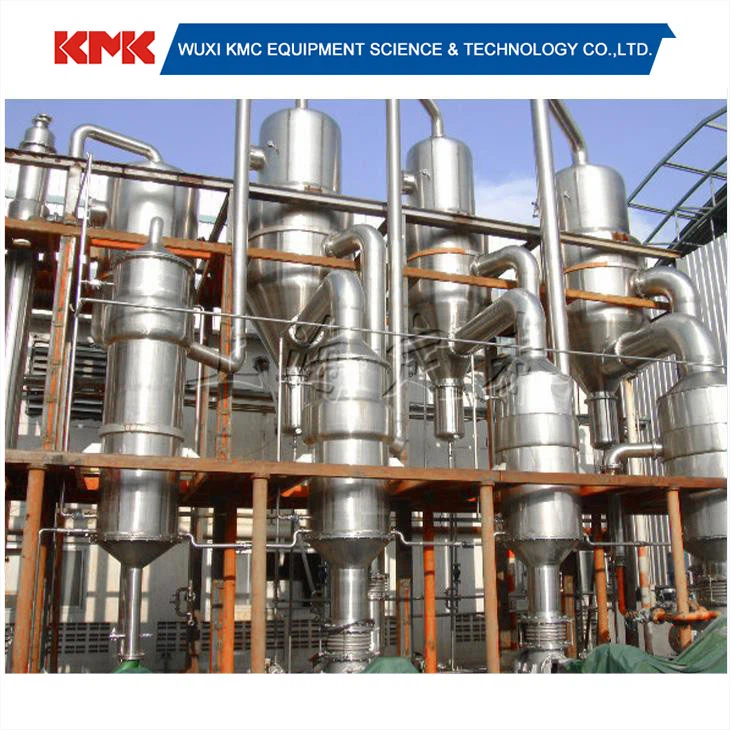
As a leading Thin Film Evaporation supplier, we have a wide range of high - quality thin film evaporators to choose from. Our team of experts can provide you with personalized advice and support to help you make the best decision for your application. If you are interested in learning more about our products or have any questions regarding thin film evaporators, we encourage you to contact us for a detailed discussion and potential procurement negotiation. We are committed to providing you with the best solutions for your industrial evaporation needs.
References
- Perry, R. H., & Green, D. W. (Eds.). (1997). Perry's Chemical Engineers' Handbook. McGraw - Hill.
- Geankoplis, C. J. (2003). Transport Processes and Unit Operations. Prentice Hall.