

How to analyze the data collected from a Wiped Film Dryer?
Dec 18, 2025
Leave a message
As a provider of Wiped Film Dryers, I understand the importance of data analysis in optimizing the performance of these machines. In this blog post, I will share some insights on how to analyze the data collected from a Wiped Film Dryer to improve its efficiency and effectiveness.
Understanding the Basics of a Wiped Film Dryer
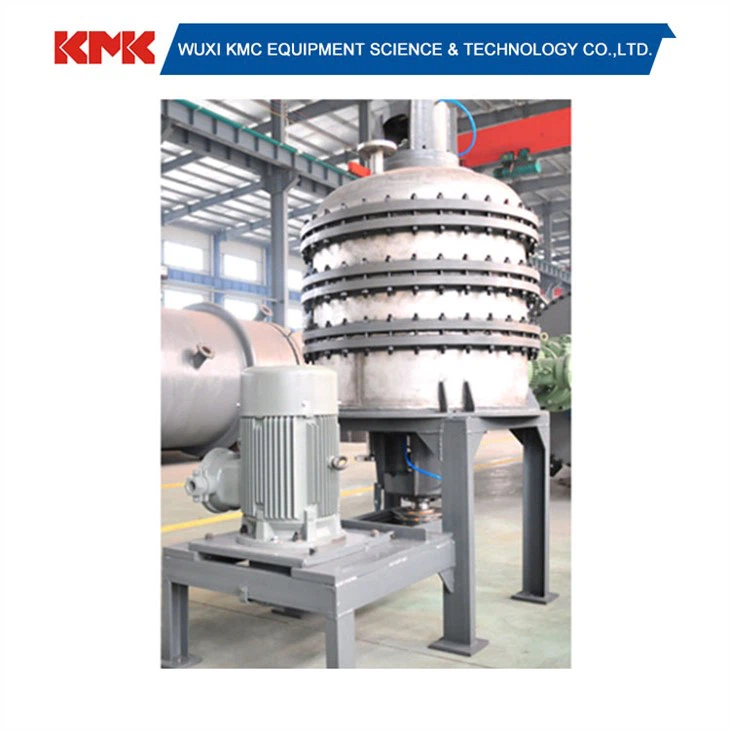
Before diving into data analysis, it's essential to have a solid understanding of how a Wiped Film Dryer works. A Wiped Film Dryer is a type of evaporator that uses a rotating wiper blade to spread a thin film of liquid across the heated surface of a vertical tube. This thin film enhances heat transfer and evaporation, making it an efficient method for drying heat-sensitive materials.
The key components of a Wiped Film Dryer include the feed inlet, the heating jacket, the wiper blades, the vapor outlet, and the product outlet. The feed material is introduced at the top of the dryer, and as it flows down the tube, the wiper blades continuously spread it into a thin film. The heat from the heating jacket evaporates the volatile components, which are then removed through the vapor outlet. The dried product is collected at the bottom of the dryer.
Types of Data to Collect
To analyze the performance of a Wiped Film Dryer, several types of data need to be collected. These include:
- Temperature Data: This includes the temperature of the heating medium, the temperature of the feed material, and the temperature of the vapor and product outlets. Temperature data is crucial for understanding the heat transfer process and ensuring that the dryer is operating within the optimal temperature range.
- Pressure Data: Monitoring the pressure inside the dryer, especially in the vapor phase, can provide insights into the evaporation rate and the efficiency of the vacuum system. Pressure data can also help detect any blockages or leaks in the system.
- Flow Rate Data: The flow rate of the feed material, the heating medium, and the vapor are important parameters that affect the drying process. By measuring these flow rates, you can ensure that the dryer is operating at the designed capacity and that the material is being processed evenly.
- Product Quality Data: Analyzing the quality of the dried product, such as moisture content, particle size distribution, and chemical composition, can help determine the effectiveness of the drying process. This data can be used to optimize the operating conditions and improve the product quality.
Data Collection Methods
There are several methods for collecting data from a Wiped Film Dryer. These include:

- Sensors: Installing temperature sensors, pressure sensors, flow meters, and other types of sensors at various points in the dryer can provide real-time data. These sensors can be connected to a data acquisition system, which can record and store the data for further analysis.
- Manual Sampling: In addition to sensor data, manual sampling of the feed material, vapor, and dried product can be done at regular intervals. These samples can be analyzed in a laboratory to obtain more detailed information about the product quality.
- Process Control Systems: Many modern Wiped Film Dryers are equipped with advanced process control systems that can automatically collect and analyze data. These systems can also adjust the operating parameters in real-time to optimize the performance of the dryer.
Data Analysis Techniques
Once the data has been collected, it needs to be analyzed to extract meaningful insights. Here are some common data analysis techniques that can be used:
- Trend Analysis: By plotting the collected data over time, you can identify trends and patterns in the performance of the dryer. For example, you can analyze how the temperature, pressure, and flow rates change during a drying cycle or over a period of days or weeks. Trend analysis can help detect any gradual changes in the system that may indicate a need for maintenance or adjustment.
- Correlation Analysis: This technique involves analyzing the relationship between different variables. For example, you can examine how the temperature of the heating medium affects the evaporation rate or how the flow rate of the feed material impacts the product quality. Correlation analysis can help identify the key factors that influence the performance of the dryer and guide the optimization process.
- Statistical Analysis: Statistical methods, such as mean, standard deviation, and regression analysis, can be used to summarize the data and make predictions. For example, you can calculate the average moisture content of the dried product over a period of time and use regression analysis to model the relationship between the operating parameters and the product quality.
- Fault Detection and Diagnosis: By comparing the actual data with the expected values or historical data, you can detect any faults or anomalies in the system. For example, if the pressure inside the dryer suddenly increases or the temperature of the product outlet deviates from the normal range, it may indicate a problem with the vacuum system or a blockage in the tube. Fault detection and diagnosis techniques can help identify the root cause of the problem and enable timely maintenance.
Using Data Analysis to Optimize Performance
The ultimate goal of data analysis is to optimize the performance of the Wiped Film Dryer. Here are some ways in which data analysis can be used to achieve this:
- Process Optimization: By analyzing the data, you can identify the optimal operating conditions for the dryer, such as the temperature, pressure, and flow rates. You can then adjust these parameters to improve the efficiency of the drying process, reduce energy consumption, and enhance the product quality.
- Predictive Maintenance: Data analysis can help predict when maintenance is required by detecting early signs of wear and tear or potential failures. By performing preventive maintenance at the right time, you can avoid costly breakdowns and downtime.
- Product Development: Analyzing the data from different drying runs can provide insights into how the operating conditions affect the product quality. This information can be used to develop new products or improve the existing ones by adjusting the drying process.
- Comparison with Other Technologies: Data analysis can also be used to compare the performance of the Wiped Film Dryer with other drying technologies, such as Vacuum Rake Drying Machine or Vacuum Rake Dryer. This comparison can help you make informed decisions about which technology is most suitable for your specific application.
Conclusion
Data analysis is a powerful tool for optimizing the performance of a Wiped Film Dryer. By collecting and analyzing the right data, you can gain valuable insights into the drying process, identify areas for improvement, and make informed decisions to enhance the efficiency and effectiveness of your operations.
If you are interested in learning more about our Wiped Film Dryers or need assistance with data analysis and process optimization, please feel free to contact us. We are committed to providing high-quality products and services to meet your specific needs.
References
- Perry, R. H., & Green, D. W. (1997). Perry's Chemical Engineers' Handbook. McGraw-Hill.
- Geankoplis, C. J. (2003). Transport Processes and Unit Operations. Prentice Hall.
- Mujumdar, A. S. (Ed.). (2014). Handbook of Industrial Drying. CRC Press.