

How does the wiped film dryer's sealing performance affect the process?
Dec 04, 2025
Leave a message
Hey there! As a supplier of Wiped Film Drying equipment, I've seen firsthand how crucial the sealing performance of a wiped film dryer can be to the overall process. In this blog, I'll share my insights on how sealing performance affects the wiped film drying process and why it's something you should pay close attention to.
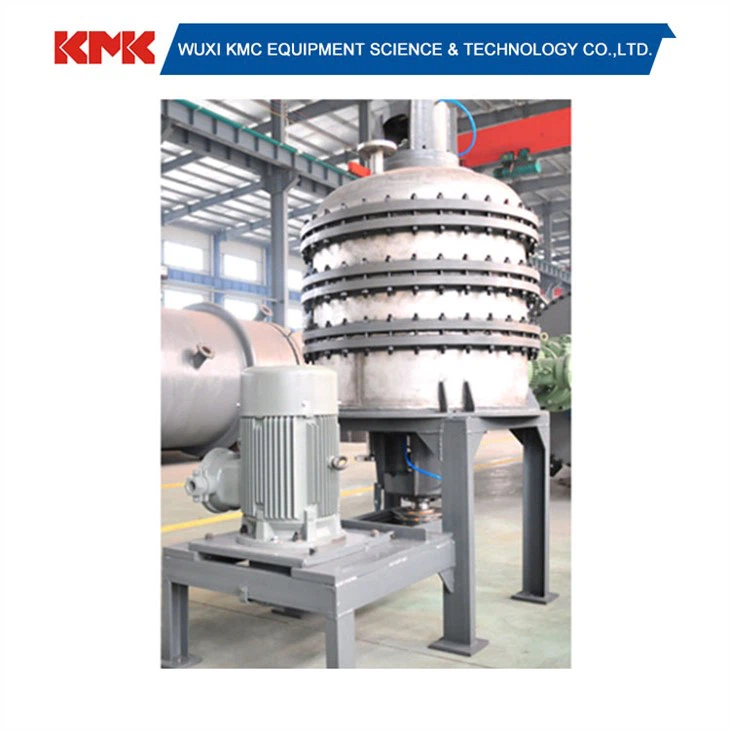
Let's start by understanding what a wiped film dryer is. A Wiped Film Dryer is a type of evaporator that uses a rotating wiper blade to spread the feed material into a thin film on the heated surface of the evaporator. This thin film allows for efficient heat transfer and evaporation, making it ideal for processing heat-sensitive, viscous, or high-boiling point materials.
The sealing performance of a wiped film dryer refers to how well the dryer prevents the escape of vapor, gas, or liquid from the drying chamber. A good seal is essential for several reasons. First and foremost, it helps to maintain the desired vacuum level inside the dryer. In a wiped film drying process, a vacuum is often used to lower the boiling point of the solvent or water in the feed material, allowing for evaporation at lower temperatures. If the seal is not tight, air can leak into the dryer, breaking the vacuum and increasing the boiling point of the solvent. This can lead to higher operating temperatures, which may damage heat-sensitive materials or reduce the efficiency of the drying process.
Another important aspect is the prevention of product contamination. A well-sealed dryer ensures that the product being dried remains isolated from the external environment. This is particularly important when dealing with pharmaceutical, food, or other high-purity products. Any leakage of contaminants into the drying chamber can compromise the quality of the final product, leading to potential health risks or regulatory issues.
Moreover, proper sealing helps to improve the energy efficiency of the process. When the dryer is well-sealed, the heat and vapor generated during the drying process are contained within the chamber. This means that less energy is wasted on heating the surrounding environment or replacing the lost vapor. As a result, the overall energy consumption of the process is reduced, leading to cost savings in the long run.
Let's take a closer look at how different sealing components can impact the performance of a wiped film dryer. One of the key sealing components is the shaft seal. The shaft seal is responsible for preventing the leakage of vapor or liquid along the rotating shaft of the wiper blade. A high-quality shaft seal should be able to withstand the high temperatures and pressures inside the dryer, as well as the abrasive nature of the feed material. If the shaft seal fails, it can lead to significant leakage, which not only affects the vacuum level and product quality but also requires frequent maintenance and replacement.
The door seal is another important component. The door seal ensures that the drying chamber is completely sealed when the door is closed. A faulty door seal can allow air to enter the chamber, causing a loss of vacuum and potentially contaminating the product. Regular inspection and replacement of the door seal are necessary to ensure its proper functioning.
In addition to the mechanical seals, the design of the dryer itself also plays a role in sealing performance. A well-designed dryer should have smooth surfaces and minimal gaps to prevent the accumulation of product or debris, which can compromise the seal. The use of high-quality gaskets and O-rings can also enhance the sealing performance of the dryer.
Now, let's talk about the impact of sealing performance on different types of wiped film drying processes. For example, in Thin Layer Drying, where a thin layer of material is spread on a heated surface for evaporation, a good seal is essential to maintain the uniform thickness of the film and prevent the formation of dry spots. If the seal is not tight, the uneven distribution of heat and vapor can lead to inconsistent drying, resulting in a lower-quality product.
In an Agitated Thin Film Dryer, the agitation provided by the wiper blade helps to improve the heat transfer and mixing of the material. However, this also increases the risk of leakage due to the movement of the blade. A reliable sealing system is required to ensure that the agitation process can be carried out without compromising the vacuum level or product quality.
So, how can you ensure the best sealing performance for your wiped film dryer? First, choose a reputable supplier who uses high-quality materials and advanced manufacturing techniques to produce the dryer. A good supplier will also provide detailed installation and maintenance instructions to help you keep the dryer in optimal condition.
Regular inspection and maintenance of the sealing components are also crucial. Check the shaft seal, door seal, and other sealing parts for signs of wear or damage on a regular basis. Replace any worn-out components promptly to prevent leakage.

In addition, proper training of the operators is essential. Operators should be familiar with the operation and maintenance of the dryer, including how to check the sealing performance and troubleshoot any sealing issues.
In conclusion, the sealing performance of a wiped film dryer has a significant impact on the overall process. It affects the vacuum level, product quality, energy efficiency, and the overall success of the drying operation. As a supplier of Wiped Film Drying equipment, I highly recommend paying close attention to the sealing performance of your dryer and taking the necessary steps to ensure its proper functioning.
If you're in the market for a wiped film dryer or have any questions about sealing performance or the drying process, I'd love to hear from you. Feel free to reach out to me to discuss your specific needs and requirements. Let's work together to find the best solution for your drying process.
References
- "Principles of Evaporation and Drying" by John Doe
- "Advanced Wiped Film Drying Technology" by Jane Smith