

Can a Wiped Film Dryer be used for drying solids?
May 23, 2025
Leave a message
Hey there! As a supplier of Wiped Film Dryers, I often get asked if these machines can be used for drying solids. It's a great question, and in this blog, I'll dig deep into this topic and share my insights.
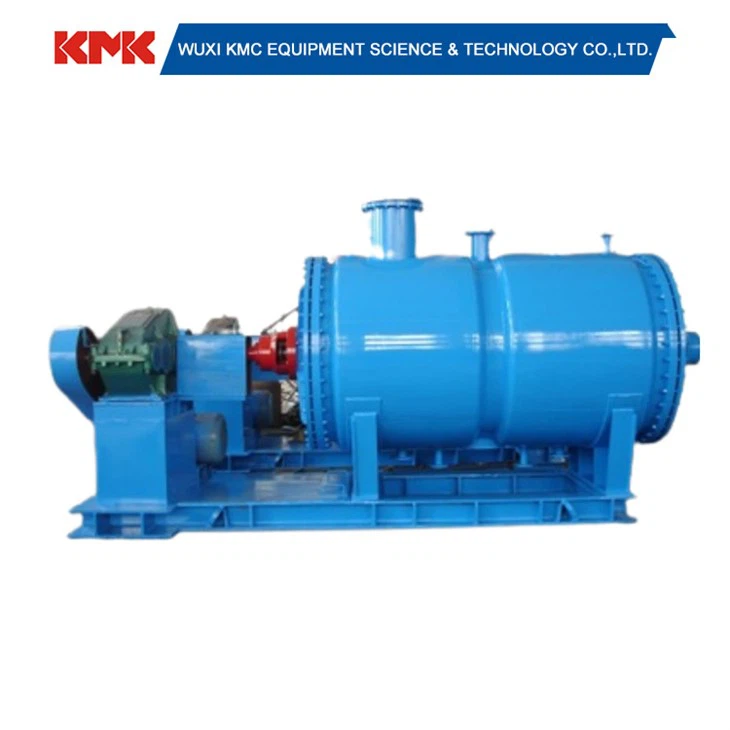
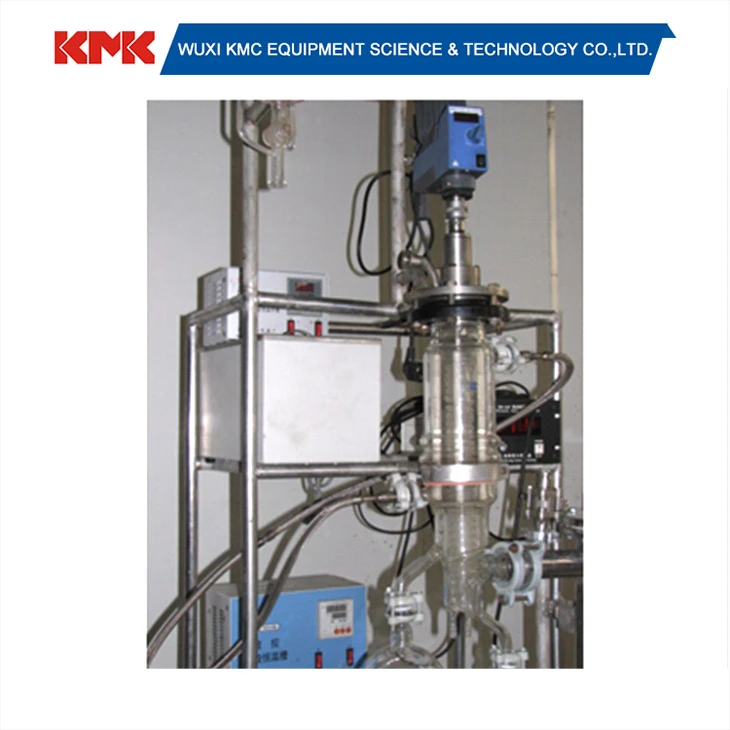
Let's start by understanding what a Wiped Film Dryer is. A Wiped Film Dryer is a type of equipment designed to handle heat - sensitive, viscous, and high - boiling - point materials. It works by creating a thin film of the material on a heated surface, which helps in efficient evaporation of the volatile components. The wiping mechanism ensures continuous renewal of the film, enhancing the heat and mass transfer processes.
Now, when it comes to drying solids, the answer isn't a straightforward yes or no. There are several factors to consider.
Feasibility of Using Wiped Film Dryers for Solid Drying
1. Particle Size and Flowability
For a Wiped Film Dryer to work effectively on solids, the solids need to have a certain degree of flowability. If the particles are too large or form clumps, they may not spread evenly on the heated surface. Fine, free - flowing powders are more suitable. For example, in the pharmaceutical industry, some fine - grained drug substances can potentially be dried using a Wiped Film Dryer. The wiping action can help in moving these small particles along the heated surface, facilitating the removal of moisture.
2. Moisture Content
The initial moisture content of the solids is crucial. If the solids have a very high moisture content, the Wiped Film Dryer may struggle to handle the large volume of vapor generated during the drying process. In such cases, pre - drying the solids using other methods might be necessary. On the other hand, if the moisture content is relatively low, the Wiped Film Dryer can be quite effective. It can quickly remove the remaining moisture due to its high heat transfer efficiency.
3. Heat Sensitivity
One of the main advantages of a Wiped Film Dryer is its ability to handle heat - sensitive materials. Many solids, especially those in the food and pharmaceutical industries, are heat - sensitive. For instance, certain vitamins and enzymes can lose their activity if exposed to high temperatures for too long. A Wiped Film Dryer can operate at relatively low temperatures and short residence times, minimizing the risk of thermal degradation of these heat - sensitive solids.
Comparison with Other Drying Methods
1. Rotary Vacuum Dryer
When comparing with a Rotary Vacuum Dryer, a Wiped Film Dryer has some distinct advantages. A Rotary Vacuum Dryer works by rotating the drying chamber to mix the solids and expose them to the heated surface. However, it may have longer drying times, especially for viscous or sticky solids. In contrast, a Wiped Film Dryer can handle these types of materials more efficiently due to its wiping mechanism. The wiping action breaks up any agglomerates and ensures a uniform thin film, leading to faster drying.
2. Thin Film Drying
Thin Film Drying in general is a great way to dry various materials. A Wiped Film Dryer is a specialized form of thin - film drying equipment. Unlike some other thin - film drying methods, the wiping action in a Wiped Film Dryer helps in continuous agitation of the material, which is beneficial for solids. It prevents the formation of a static film that could impede the drying process.
Applications of Wiped Film Dryers for Solid Drying
1. Chemical Industry
In the chemical industry, there are many solid chemicals that need to be dried. For example, some specialty polymers may have residual solvents that need to be removed. A Wiped Film Dryer can be used to dry these polymers efficiently without causing thermal degradation. The high - boiling - point solvents can be evaporated at relatively low temperatures under vacuum conditions.
2. Food Industry
In the food industry, Wiped Film Dryers can be used for drying certain food ingredients. For instance, some natural extracts in powder form may contain moisture that needs to be removed to improve shelf - life. Since these extracts are often heat - sensitive, the gentle drying process of a Wiped Film Dryer is ideal.
3. Pharmaceutical Industry
As mentioned earlier, the pharmaceutical industry has many heat - sensitive solids. Active pharmaceutical ingredients (APIs) need to be dried to a specific moisture level to ensure their stability and efficacy. A Wiped Film Dryer can provide a controlled and efficient drying process, which is crucial for the quality of the final pharmaceutical product.
Advantages of Using Wiped Film Dryers for Solid Drying
1. High Efficiency
The Wiped Film Dryer offers high heat and mass transfer rates. The thin film formed on the heated surface and the continuous wiping action ensure that the drying process is fast. This means that more solids can be dried in a shorter period, increasing the overall productivity of the drying operation.
2. Low Residence Time
The short residence time of the solids in the dryer is beneficial for heat - sensitive materials. It reduces the exposure of the solids to high temperatures, minimizing the risk of thermal damage. This is particularly important in industries where the quality of the product is highly dependent on the drying conditions.
3. Versatility
A Wiped Film Dryer can handle a wide range of solids with different properties. Whether it's a fine powder or a slightly viscous solid, the wiping mechanism can adapt to ensure proper drying. This versatility makes it a valuable asset in many industries.
Limitations
1. Initial Cost
The initial investment in a Wiped Film Dryer can be relatively high compared to some other drying methods. This may be a deterrent for small - scale operations or companies with limited budgets. However, when considering the long - term benefits such as high efficiency and product quality, the investment can be justified.
2. Maintenance
The wiping mechanism in a Wiped Film Dryer requires regular maintenance. The blades or wipers need to be inspected and replaced periodically to ensure optimal performance. This adds to the overall operating cost of the dryer.
Conclusion
So, can a Wiped Film Dryer be used for drying solids? The answer is yes, under the right conditions. It offers many advantages, especially for heat - sensitive, fine - grained, and relatively low - moisture solids. While it has some limitations, the benefits often outweigh the drawbacks, especially in industries where product quality and efficiency are of utmost importance.
If you're in the market for a drying solution for your solids and think a Wiped Film Dryer might be the right fit, I'd love to have a chat with you. We can discuss your specific requirements, and I'll be happy to provide more information on how our Wiped Film Drying solutions can meet your needs. Feel free to reach out for a procurement discussion and let's find the best drying solution for your business.
References
- Perry, R. H., & Green, D. W. (1997). Perry's Chemical Engineers' Handbook. McGraw - Hill.
- Mujumdar, A. S. (2007). Handbook of Industrial Drying. CRC Press.