

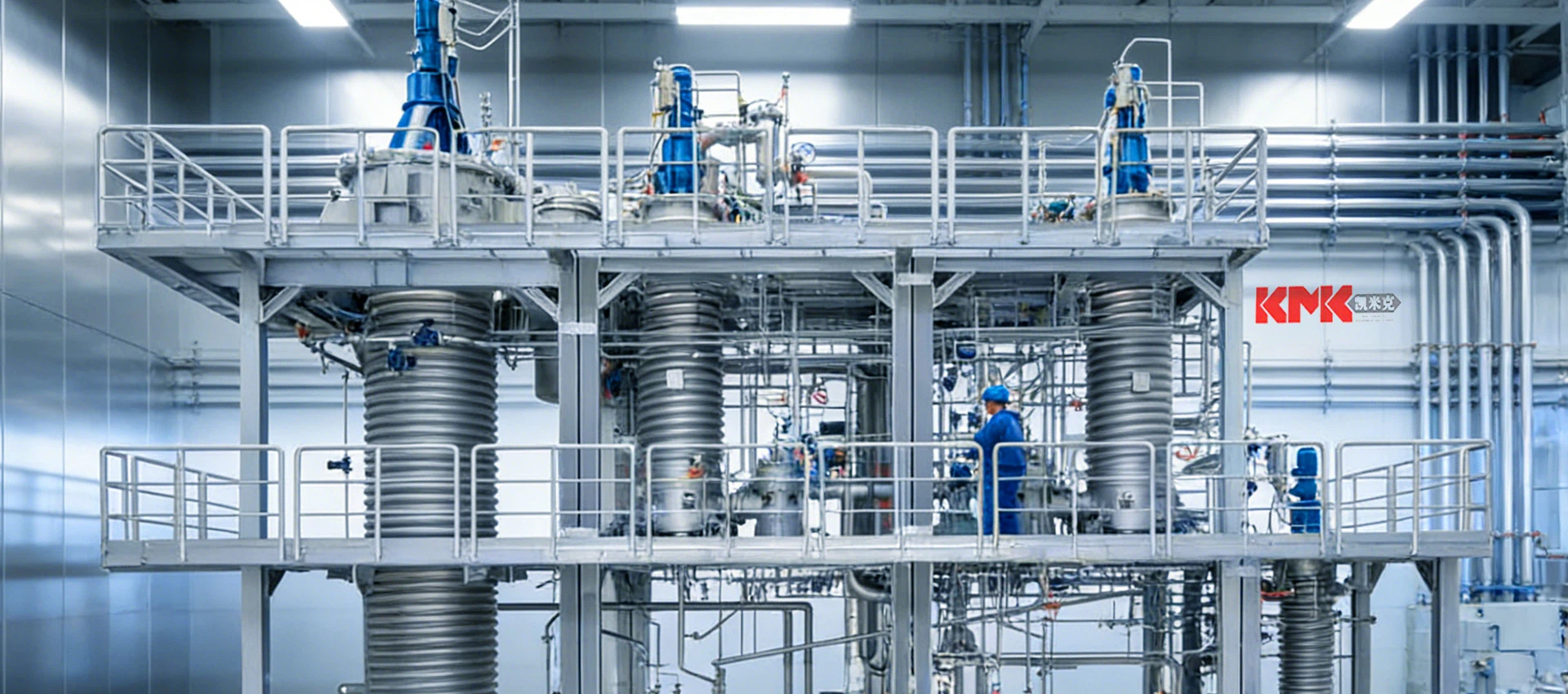


Waste Mineral Oil Regeneration Equipment
Description
Technical Parameters
The Mineral Oil Regeneration Device is an advanced regeneration system specifically designed for processing various types of waste mineral oils (such as waste lubricating oil, hydraulic oil, transformer oil, etc.). Using a multi-stage precision process, it efficiently removes impurities, water, acidic substances, and oxidation products from the oil, restoring its base oil quality and achieving resource recycling. The system integrates high efficiency, environmental protection, energy saving, and intelligence, making it an ideal solution for reducing disposal costs, creating economic value, and practicing sustainable development.
Products Features
1. High-Efficiency Regeneration Throughout the Process
Deep Purification: Combining multiple technologies such as physical sedimentation, centrifugal separation, and precision filtration, it thoroughly removes solid particles, colloids, asphalt, and other mechanical impurities.
Efficient Dehydration and Degassing: Using three-dimensional vacuum flash evaporation or thin-film evaporation technology, it efficiently removes water, gases, and light fractions at low temperatures, maximizing the protection of the base oil molecular structure and avoiding thermal cracking.
Refined Processing: Optional modules for solvent refining, high-temperature clay adsorption, or specialized chemical additive treatment are available to effectively decolorize, remove acidic substances and residual compounds, significantly improving key indicators such as color, acid value, and antioxidant properties of the regenerated oil.
2. Excellent Environmental and Safety Performance
Closed-Loop Design: The entire process operates in a closed system, preventing the leakage of volatile organic compounds (VOCs) and ensuring a safe operating environment.
Exhaust Gas Treatment System: Equipped with condensation recovery and tail gas purification devices, it harmlessly treats volatile gases, meeting stringent environmental emission standards.
Centralized Waste Residue Treatment: Filtered waste residue, spent adsorbents, and other solid wastes are collected centrally for subsequent compliant disposal, preventing secondary pollution.
Multiple Safety Protections: Integrated automatic pressure, temperature, and liquid level control and alarms, as well as explosion-proof and fire-proof designs, ensure safe and stable system operation.
3. Intelligent Energy Saving and Economic Efficiency
Energy Optimization Design: High-efficiency heat exchangers are used to recover waste heat, significantly reducing energy consumption compared to traditional processes.
Automatic Control: The core process is automatically controlled by a PLC or DCS system, enabling one-button start and stop, real-time parameter monitoring and adjustment, and fault self-diagnosis, reducing the technical dependence on operators and ensuring stable and reliable operation.
High Recovery Rate: The base oil recovery rate can reach 85%-95% (depending on the quality of the waste oil), and the resulting oil can be directly reused or used as a blending base oil, resulting in significant economic benefits.
4. Flexible Modular Design
KMK offers flexible combination and customization of process modules (such as pre-treatment modules, distillation modules, and refining modules) based on customer processing volume, waste oil type, target oil standards, and investment budget, ensuring strong adaptability.
Our developed Waste Mineral Oil Comprehensive Utilization equipment features a compact structure and reasonable layout, facilitating easy installation and maintenance.
technical parameters
Processing Capacity: 20 – 300 tons per day (customizable)
Recovery Rate: ≥ 90% of incoming waste oil
Output Quality:
Regenerated base oil: meets ISO VG 32–VG 150 standards
Fuel oil: low sulfur, high calorific value
Key Contaminant Removal:
Water content: ≤ 0.05%
Particulates: ≤ 0.01%
Metals removal: ≥ 95%
Operating Temperature Range: 150°C – 350°C
Power Supply: 380V/50Hz (or as per customer requirement)
Utilities Consumption (approx. per ton of oil):
Electricity: 50 – 80 kWh
Fuel (for heating): 20 – 35 kg
Water: < 0.5 m³
Footprint: Compact design, 50 – 200 m² depending on capacity

Typical applications

Lubricant production and sales companies: Processing and recycling waste lubricants to achieve a closed-loop product cycle.
Large industrial and mining enterprises (such as power plants, steel mills, mines, ships): On-site regeneration of self-produced waste oil to reduce oil costs and hazardous waste disposal costs.
Professional hazardous waste treatment companies: Improving the process level and product value of waste mineral oil resource utilization.
Fleet and maintenance centers: Centralized treatment of waste engine oil to achieve environmental compliance and resource monetization.
If you need to learn more about the applications of Non-standard Customized ASME "U" Stamped Mineral Oil Regeneration Devices, please contact the KMK team. Our professional technicians can recommend the appropriate Mineral Oil Regeneration Device based on your needs.
KMK Waste Mineral Oil Regeneration Equipment - Production Process
Our Waste Mineral Oil Regeneration Equipment utilizes a comprehensive, multi-stage physico-chemical process to transform contaminated lubricants and industrial oils into high-quality base oils. The production process is designed for efficiency, environmental compliance, and product consistency.
1. Pre-treatment & Dehydration
Incoming waste oil is first subjected to sedimentation and coarse filtration to remove solid particulates and free water. It then enters a vacuum dehydration unit, where heat and reduced pressure effectively strip off light fuels and water, preparing the oil for subsequent chemical treatment.
2. Thin-Film Distillation & De-asphalting
The dehydrated oil is fed into a high-efficiency thin-film evaporator. Under precise temperature and vacuum conditions, this stage separates valuable distillate fractions from fuel oil, tar, and heavy asphaltics. The core technology lies in the short residence time and continuous scraping, which prevents thermal cracking and coking.
3. Solvent Extraction & Clay Contact Treatment
The distilled oil fraction undergoes a solvent extraction process, typically using specialized solvents like N-methyl-2-pyrrolidone (NMP) or others. This critical phase selectively removes undesirable aromatic compounds, residual additives, and color bodies. Following this, the oil may be treated with activated clay (either in a contact tower or through percolation filtration) for final polishing-adsorbing polar impurities, stabilizing color, and improving oxidation stability.
4. Hydrogenation (Optional Advanced Stage)
For higher-grade regeneration, the equipment can be integrated with a mild hydrogenation unit. In this stage, oil reacts with hydrogen under catalyst presence. This hydrofinishing step saturates unstable molecules, removes sulfur and nitrogen compounds, and significantly enhances the color, odor, and thermal-oxidative stability of the final product, bringing it closer to virgin oil quality.
5. Final Fractionation & Product Separation
The refined oil stream passes through a vacuum fractionation column. Here, it is precisely separated into different viscosity cuts (e.g., Light Neutral, Medium Neutral base oils) based on their boiling ranges. Each cut is individually drawn off and cooled.
6. Quality Control & Blending
Regenerated base oils from each production batch are analyzed in an inline laboratory for key parameters (viscosity, flash point, color, acidity, etc.). Finally, products can be blended to meet specific customer specifications or additive packages can be introduced to formulate finished lubricants.


Hot Tags: waste mineral oil regeneration equipment, China waste mineral oil regeneration equipment manufacturers, suppliers, factory, 50 000 ton Waste Mineral Oil Comprehensive Utilization Project, Waste Mineral Oil Regeneration Equipment, 30 000 ton Waste Mineral Oil Regeneration Plant, 50 000 ton Waste Mineral Oil Regeneration Plant, Used Engine Oil Recycling Machine and Plants, ASME U Stamped Used Mineral Oil Regeneration Unit
Send Inquiry


