

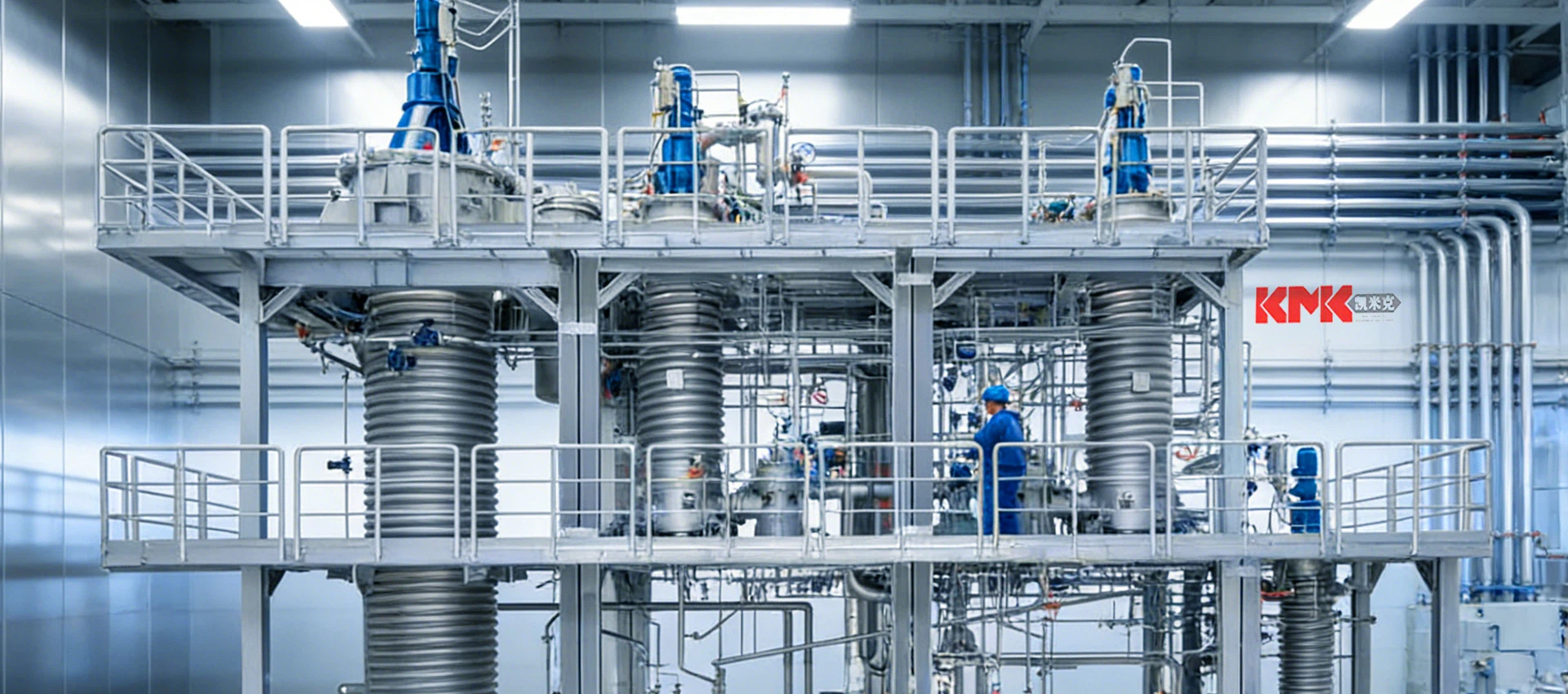
Introduction To Molecular Distillation Technology
May 24, 2019
Leave a message
Molecular stills produced by molecular stills have a low distillation temperature and molecular distillation operates at temperatures well below the boiling point. Separation can be achieved as long as there is a temperature difference. This is the essential difference between molecular distillation and traditional distillation. The vacuum of distillation is high, and the molecular distillation apparatus can obtain a high degree of vacuum. Usually, molecular distillation is operated at low pressure, so the material is not easily oxidized and damaged. The distillate film is thin and has high heat transfer efficiency.
The distillation process of the molecular still produced by the molecular stillter plant is: adding material from the top of the evaporator. The liquid distributor on the rotor is evenly and evenly distributed on the heating surface, and the squeegee is scraped into a thin liquid liquid film which is pushed downward. During this process, the light molecules escaping from the heated surface condense into a liquid through a short path, barely touching the built-in condenser, and flowing along the condenser tube through a discharge tube located at the bottom of the evaporator; residual liquid. The circular passage under the heating channel is collected and then flows out through the side outlet tube.