

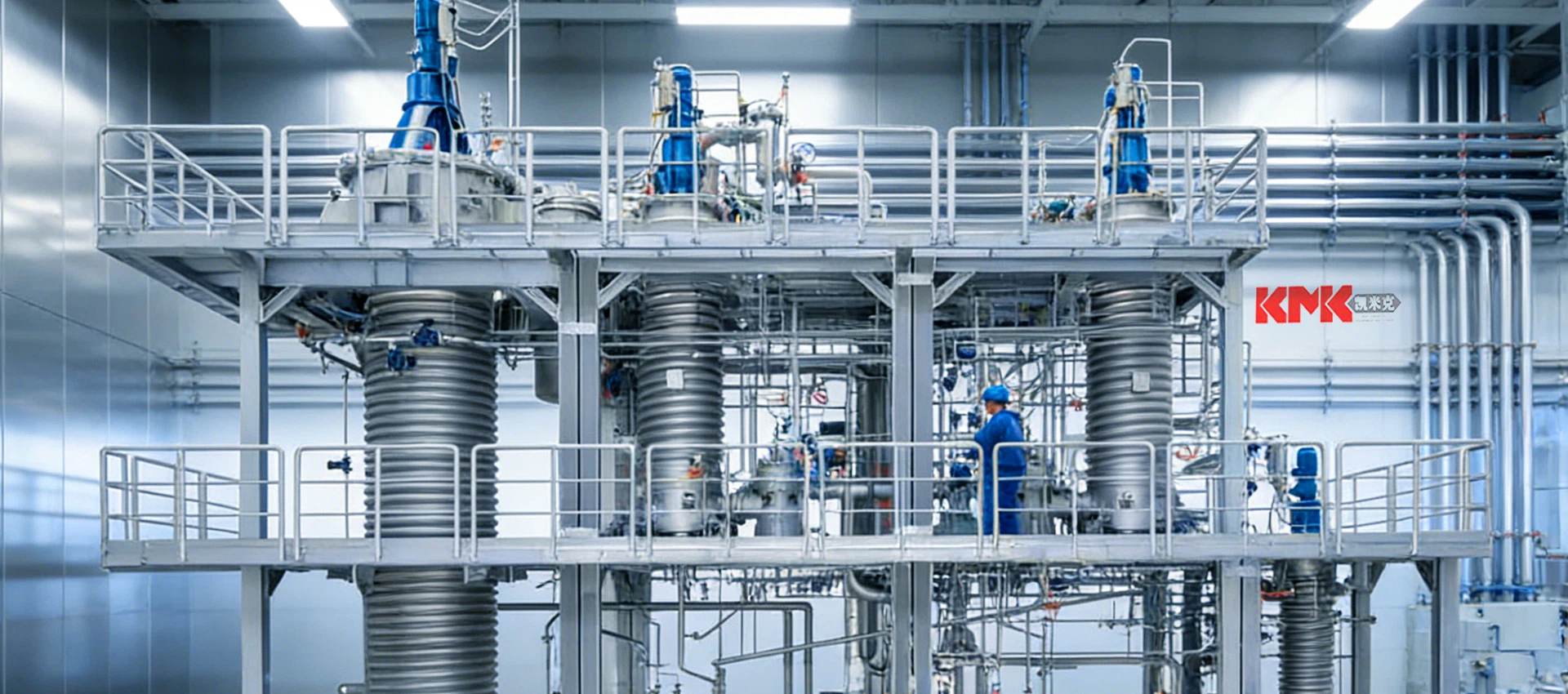
Reaction conditions of Chemical reaction kettle
Sep 06, 2024
Leave a message
Temperature adaptation
Precise temperature control system: Install high-precision temperature sensors and cooperate with advanced PID control systems to accurately control the heating or cooling device according to the temperature required for the reaction to ensure the stability of the reaction temperature. For example, in some chemical syntheses that require low-temperature reactions, the cooling system can promptly remove excess heat to maintain a low-temperature environment.
Choose appropriate insulation materials: Wrap different types of insulation materials on the outside of the reactor, such as ceramic fiber or rock wool. Depending on the reaction temperature, choose materials with different insulation properties to reduce heat loss or external heat input, and ensure that the reaction proceeds smoothly at the set temperature.
Adaptation to stressful conditions
Pressure-resistant design: According to different reaction pressure requirements, the structure of the reactor is optimized, the thickness and strength of the reactor body are increased, and stainless steel with good pressure resistance is selected to ensure that the reactor can operate safely under high or low pressure environments.
Pressure monitoring and regulation: Equipped with high-precision pressure sensors and safety valves to monitor the pressure inside the reactor in real time. Once the pressure is abnormal, the safety valve will automatically open to release the pressure to ensure the safety of the reaction process. It is suitable for high-pressure polymerization reactions, etc.
Material characteristics adaptation
Corrosion-resistant treatment: For materials with different chemical properties, such as strong acids and strong alkalis, stainless steel materials with corresponding corrosion resistance are selected, such as 316L stainless steel, or the inside of the reactor is treated with a special anti-corrosion coating to prevent the material from corroding the reactor body.
Optimization of stirring system: According to the viscosity, fluidity and other characteristics of the material, select the appropriate agitator type and stirring speed to ensure that the material is fully mixed and reacted. For example, for high-viscosity materials, use an anchor agitator.
If you want to know how Stainless Steel Reaction Kettle can adapt to different reaction conditions, you can contact KMK's professional technicians, we will do our best to help you!
