

How to Transport Materials in an Industrial Pure Titanium Reactor
Oct 22, 2025
Leave a message
Material Transportation Methods for Reactors
1. Proper Material Pretreatment Before Transportation
Material pretreatment is required before transportation. Appropriate treatment measures should be taken based on the material's physical properties, such as viscosity and particle size. If the material viscosity is high, appropriate temperature adjustment or the addition of suitable additives can reduce viscosity to avoid blockage during transportation. If the material contains solid particles, it should be filtered to remove impurities or ground to an appropriate particle size to prevent particles from scratching the reactor walls or clogging the conveying channels, ensuring smooth transportation.
2. Selecting Appropriate Conveying Equipment
Select appropriate conveying equipment based on the material characteristics and reactor structure. For liquid materials, corrosion-resistant pumps should be selected, ensuring that the equipment material is compatible with titanium to prevent chemical reactions between the material and the equipment. For powdered materials, enclosed conveying equipment can be used to reduce dust during transportation and prevent foreign matter from entering the material, ensuring material purity.
3. Maintaining Sealing During Conveying
Strict sealing must be maintained during material transportation. Check the seals at the interface between the conveying pipeline and the reactor to ensure they are intact and properly installed to prevent material leakage during conveying. For volatile or toxic materials, a double seal structure should be used. Monitoring devices should also be installed in the conveying system to monitor the seal status in real time. Any leaks should be promptly addressed to prevent material loss and environmental pollution.
4. Clean the system after conveying.
After material conveying is completed, the conveying system must be thoroughly cleaned. Select an appropriate cleaning method based on the material characteristics, such as high-pressure cleaning or chemical cleaning, to thoroughly remove any residual material from the conveying pipeline, pump, and interfaces. This will prevent residual material from mixing with subsequent materials and affecting product quality. After cleaning, the system must be dried to prevent residual moisture from causing equipment corrosion and extend the service life of the conveying system.
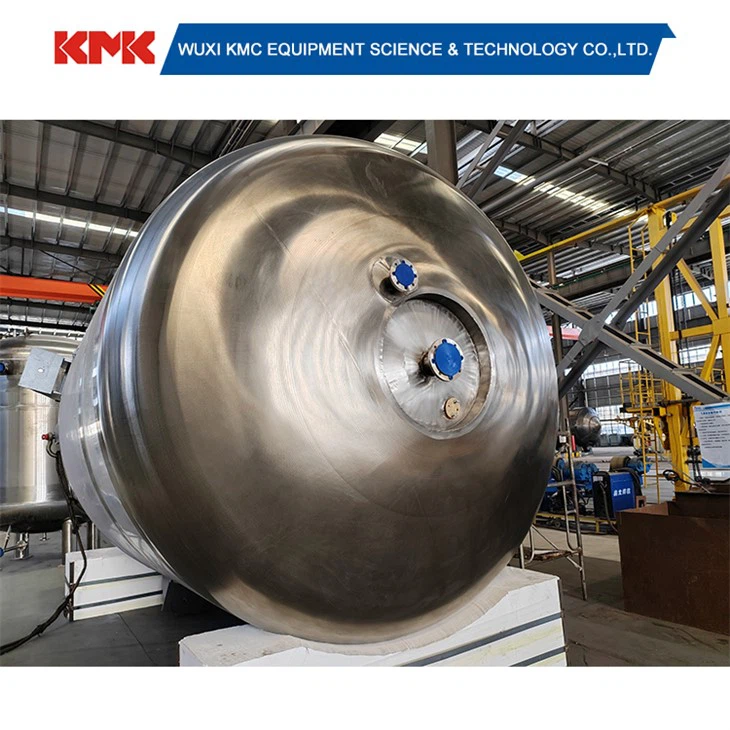
If you would like to learn more about industrial pure titanium reactors, please feel free to contact us! We have cutting-edge technical information and a professional service team, and we look forward to working with you for a win-win situation!