

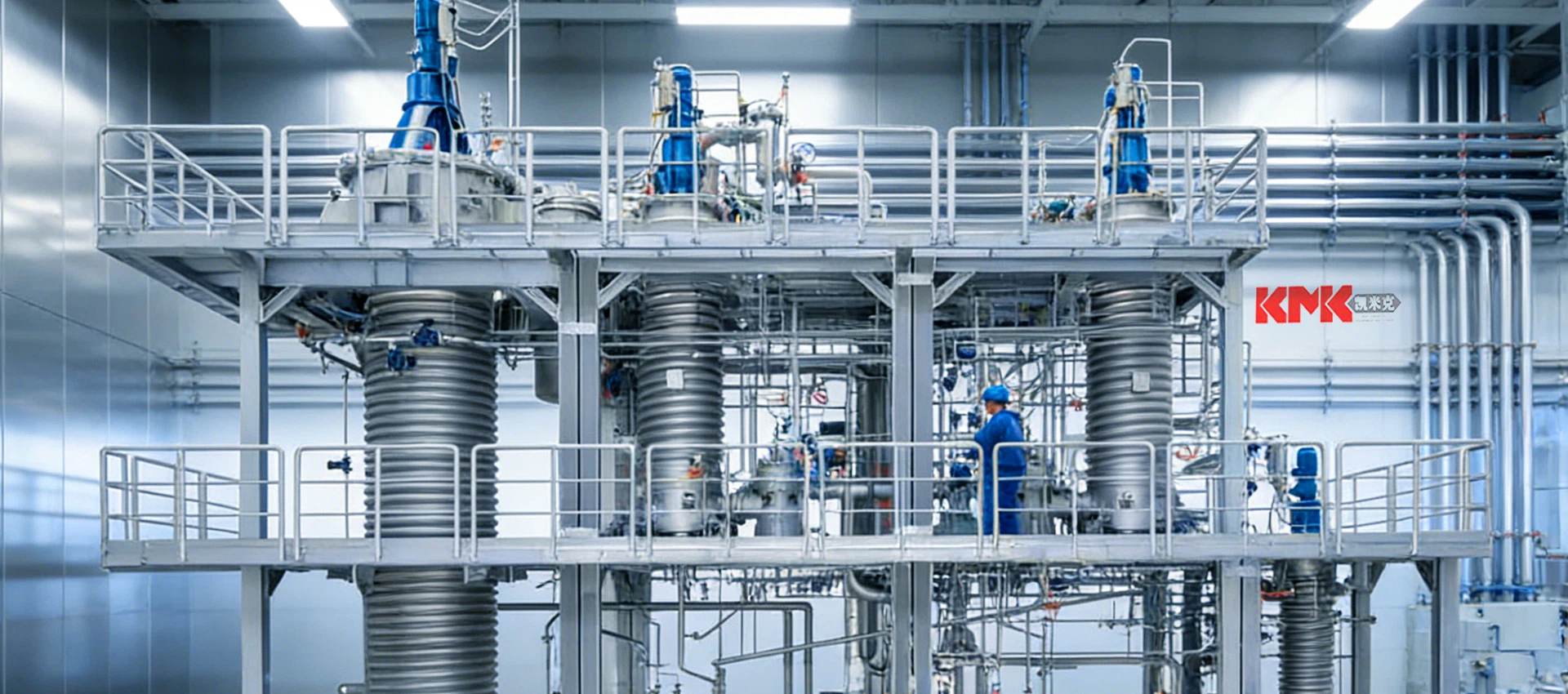
How to solve the problem in Gas Liquid Exchanger
Apr 08, 2025
Leave a message
Common problems and solutions of Gas Liquid Exchanger are as follows:
Blockage problem
Cause: Impurities, solid particles or polymer deposition in the fluid may cause the channel to be blocked.
Solution: Install a filter at the fluid inlet and regularly clean or replace the filter to prevent impurities from entering the equipment. According to the blockage situation, choose a suitable cleaning method, such as high-pressure water washing, chemical cleaning, etc. to remove dirt and sediment.
Leakage issues
Causes: Aging or damage of seals, corrosion and perforation of equipment, or improper installation may cause leakage.
Solution: Check the status of seals regularly and replace aged or damaged seals in time. For leaks caused by corrosion, choose appropriate anti-corrosion coatings or linings according to the degree of corrosion and material to enhance the equipment's anti-corrosion capabilities. Ensure that the equipment installation process is carried out strictly in accordance with the specifications to ensure the sealing of each connection.
Heat transfer efficiency decline
Cause: Scaling on the equipment surface, uneven gas-liquid distribution, or decreased heat transfer medium performance can lead to reduced heat transfer efficiency.
Solution: Regularly perform descaling treatment. Chemical agents or physical methods can be used to remove dirt on the surface of the equipment. Optimize the design and installation of the gas-liquid distributor to evenly distribute the gas and liquid in the exchanger to improve the heat transfer effect. Check the quality and performance of the heat transfer medium, and replenish or replace the heat transfer medium with degraded performance in a timely manner.
Excessive pressure drop problem
Cause: Pipeline blockage, high fluid flow rate or internal structure damage of the equipment may cause excessive pressure drop.
Solution: Clean the obstructions in the pipes and equipment to ensure that the fluid channels are unobstructed. According to the design requirements of the equipment, reasonably adjust the fluid flow rate to avoid excessive flow rate. Inspect and repair the inside of the equipment, repair damaged parts, and restore the normal structure and performance of the equipment.
If you want to know how to solve common problems in Gas Liquid Exchanger , you can contact KMK's professional technicians and we will do our best to help you!
