

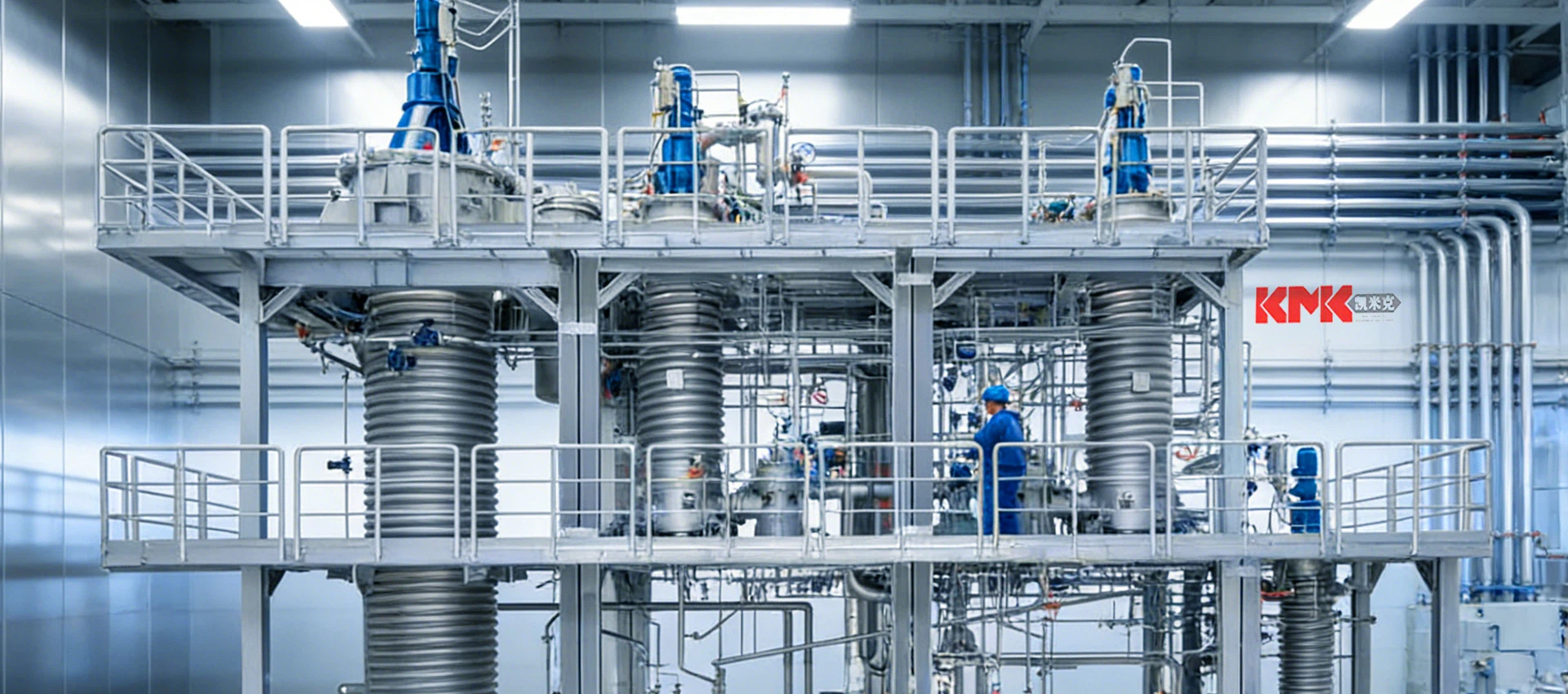
Evaporation efficiency of Thin Film Evaporator
Jun 23, 2025
Leave a message
How to optimize the evaporation efficiency of Thin Film Evaporator
Equipment operation
Optimize feed parameters: Accurately control feed flow and temperature according to material characteristics and evaporator performance. If the feed flow is too large, the liquid film will be too thick, affecting heat transfer and evaporation efficiency; if the flow is too small, a continuous and uniform liquid film may not be formed. Appropriate feed temperature can reduce the viscosity of the material, making the liquid film easier to flow and transfer heat. Generally, the feed temperature can be preheated to close to the evaporation temperature.
Control operating pressure: By adjusting the vacuum pump and other equipment, the evaporator can reach a suitable vacuum degree. Lowering the pressure can reduce the boiling point of the material, making it easier to evaporate, but too low a pressure may cause excessive vaporization of the material, affecting product quality. The best pressure balance point should be found according to the properties of the material and process requirements.
Adjust the scraper speed: The scraper speed will affect the thickness and uniformity of the liquid film. If the speed is too low, the liquid film will be thicker and the heat transfer resistance will be greater; if the speed is too high, it may cause excessive disturbance to the liquid film and even destroy the continuity of the liquid film. The optimal scraper speed needs to be determined through experiments and actual operation experience.
Equipment maintenance
Clean the equipment regularly: Remove the dirt and scaling on the inner wall and scraper of the evaporator in time to reduce the heat transfer resistance and improve the heat transfer coefficient. Scaling will lead to poor heat transfer and significantly reduce the evaporation efficiency. You can choose the appropriate cleaning method and cleaning agent according to the material characteristics, such as chemical cleaning, high-pressure water washing, etc.
Check and replace parts: Regularly check the wear of scrapers, seals and other parts, and replace damaged or aged parts in time to ensure the normal operation of the equipment. Worn scrapers may not effectively distribute the material evenly on the heating surface, affecting the evaporation efficiency.
Equipment design and selection
Choose the right heating medium: According to the material characteristics and process requirements, choose a heating medium with good thermal conductivity and high temperature stability, such as steam, thermal oil, etc. Different heating media have differences in heat transfer efficiency and temperature control. Reasonable selection can improve evaporation efficiency.
Optimize the evaporator structure: According to the properties of the material and the processing volume, select the appropriate evaporator structure, such as rising film type, falling film type or scraper type, etc. At the same time, optimize the evaporator's tube diameter, tube length, heating area and other parameters to improve the heat and mass transfer effects.
If you have any questions or need more information about how to optimize the evaporation efficiency of the Thin Film Evaporator or Multi effect evaporation, feel free to contact us, we will serve you wholeheartedly!
