

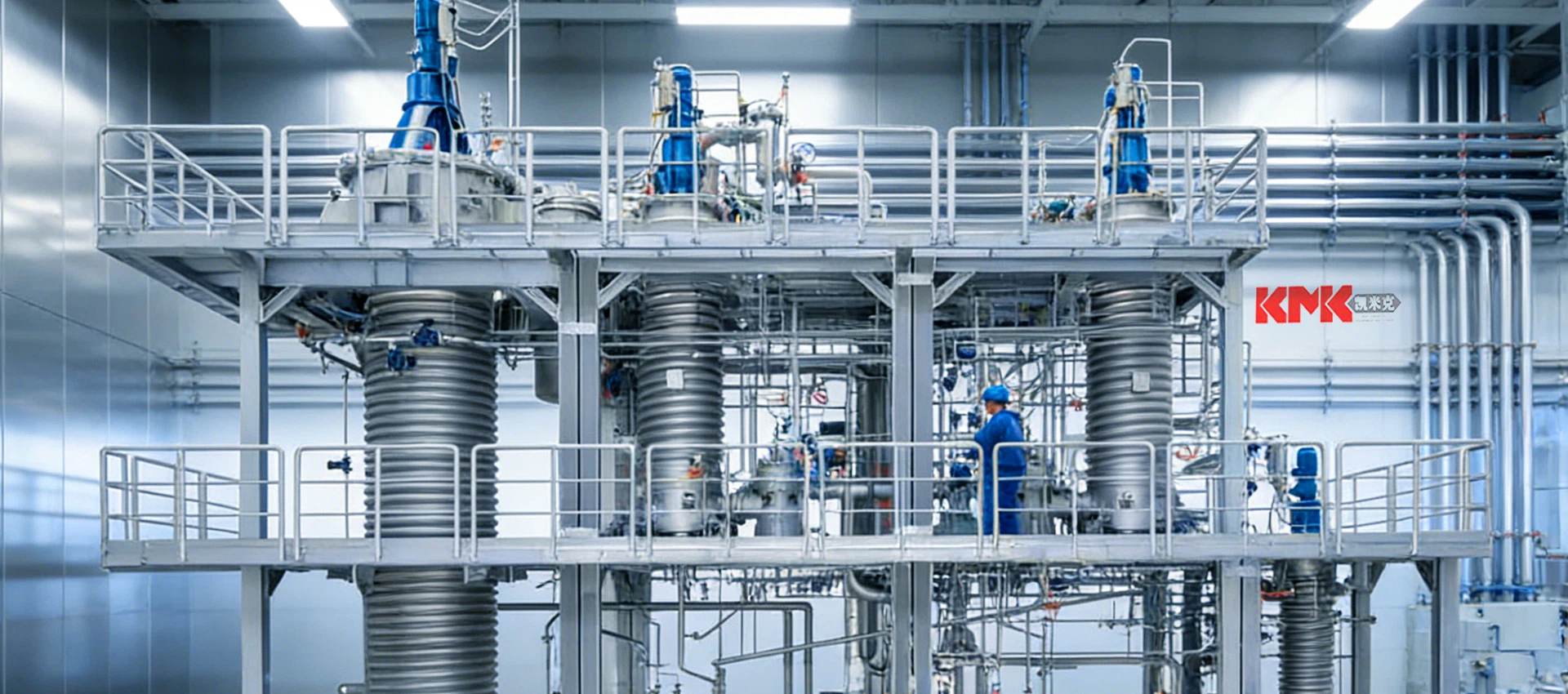
Dispersion efficiency of High Speed Dispersion Kettle
Jan 20, 2025
Leave a message
Mixing blade design
The stirring blade is the core component of the high-speed dispersion kettle, and its design directly affects the dispersion efficiency. The shape, diameter and number of the blades play a key role. When the serrated blades rotate at high speed, they can generate strong shear force, effectively crush large particles and improve the dispersion effect. For materials with different viscosities, blades of different diameters need to be adapted. When processing low-viscosity materials, small-diameter blades combined with high speed can generate high-intensity shear force; while high-viscosity materials require large-diameter blades to promote material flow at a lower speed and achieve uniform dispersion. Increasing the number of blades can expand the contact area with the material and enhance the stirring effect, but it will also increase energy consumption and equipment load, which requires comprehensive consideration.
Speed control
Rotation speed is an important parameter affecting dispersion efficiency. The appropriate speed can provide sufficient shear force and stirring intensity. For low viscosity materials, higher speed can accelerate material dispersion and shorten dispersion time. However, too high a speed may cause material splashing, increased energy consumption and increased equipment wear. For high-viscosity materials, too high a speed can easily cause the motor to overload. The speed must be precisely controlled through a variable frequency speed regulation system based on the material characteristics to achieve optimal dispersion efficiency.
Material characteristics
The material's properties such as viscosity, particle size and chemical nature significantly affect the dispersion efficiency. High-viscosity materials have poor fluidity and are difficult to disperse, requiring greater stirring force and longer dispersion time. Materials with larger particles require stronger crushing capabilities to achieve uniform dispersion. The chemical properties of the material, such as corrosiveness and solubility, will affect the material selection and operating conditions of the equipment. Inappropriate materials may cause equipment damage and affect the dispersion efficiency.
Kettle structure
The structural design of the kettle body should not be ignored. Reasonable kettle body shape and internal baffle settings can change the flow direction of materials, enhance the stirring effect, avoid the occurrence of stirring dead corners, and improve the dispersion efficiency. For example, installing baffles around the kettle wall can promote the formation of up and down or radial mixing flow of materials, making the materials mixed more evenly.
If you want to know the key factors that affect the dispersion efficiency of High Speed Dispersion Kettle , you can consult our customer service staff. We will serve you wholeheartedly 24 hours a day!
