

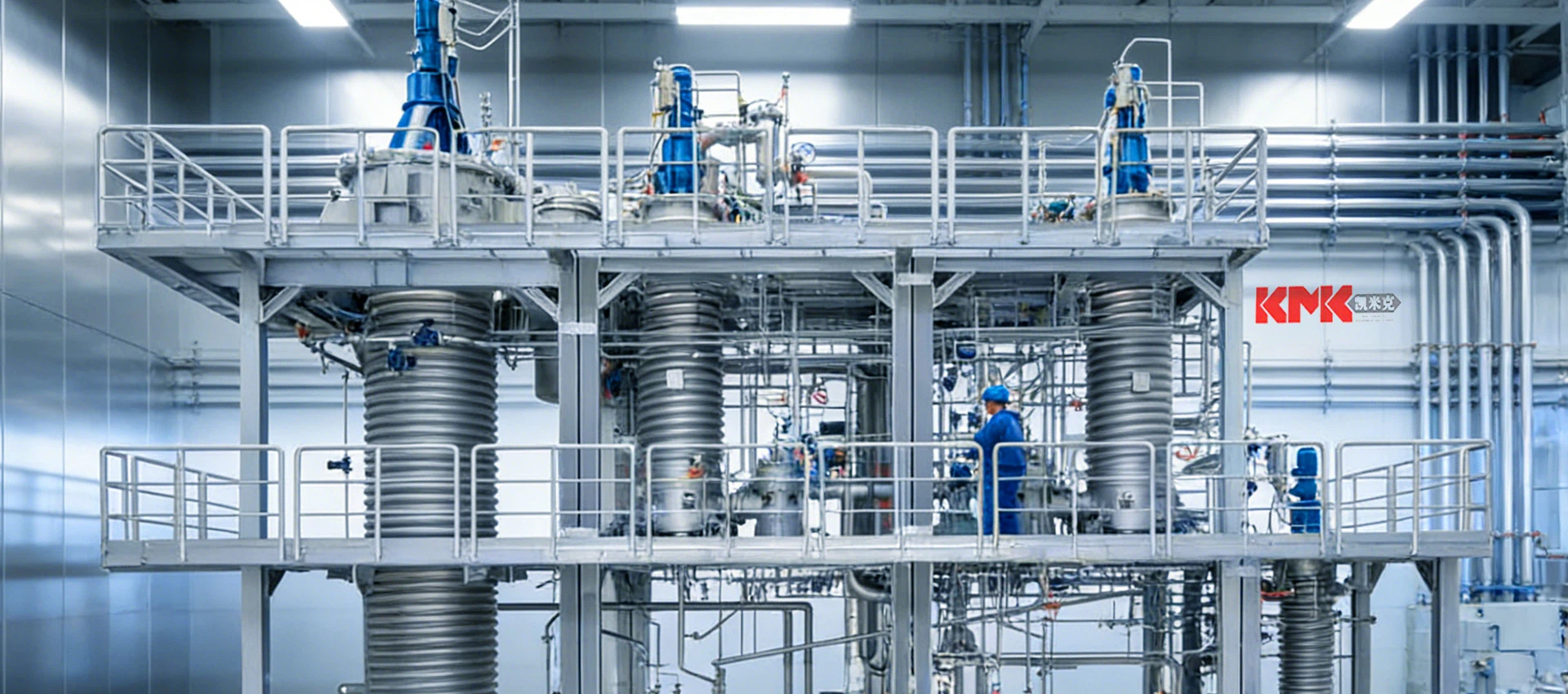
Common faults of the evaporator
Aug 08, 2019
Leave a message
So what are the common faults of the evaporator? There are four types of faults that are often encountered during evaporator operation:
First, the vacuum is too low or too high
When the degree of vacuum is too low, the boiling point of the concentrated liquid and the temperature of the secondary steam are increased, thereby reducing the effective temperature difference between the heated steam and the concentrated liquid, reducing the amount of heat transfer, slowing down the evaporation rate of the steam, and making the material The liquid heating temperature rises, which affects the preservation of the active ingredients. The vacuum is too low, in addition to affecting the quality of the concentration, it also reduces the production capacity of the equipment. Similarly, too high a vacuum will affect the quality of the evaporated concentrated material and increase the corresponding steam consumption.
Second, the cooling water is poured into the evaporation system
1. Sudden power outages may cause the vacuum in the evaporation system to be higher than the vacuum system. If the steam is not shut down in time, the vacuum in the pan is destroyed and the cooling water in the vacuum system will be poured into the concentrating device.
2. The operation is not performed in the normal order (the vacuum in the pot is destroyed after the vacuum equipment is turned off before the equipment is shut down), so that the vacuum in the evaporation system is instantaneously higher than the vacuum system, and the cooling water will be poured back.
3. Sudden failure of the vacuum equipment causes the pumping rate of the vacuum system to suddenly drop sharply. Under this circumstance, the measures to destroy the vacuum in the pot are not taken in time, and the cooling water will be poured.
Third, the heater surface coking
1. When the material is concentrated in the concentrating equipment, the heating surface is not immersed in the material, and the steam valve is opened to make the heating surface bare and coke. When the feed is interrupted during operation and the sudden increase in heating steam pressure or sudden changes in operating conditions during the production process, the heated surface may be severely coked.
2. Do not operate according to the parking sequence. Before stopping the vehicle, the heating steam valve is not closed first, and the vacuum is first broken, so that the material level drops, causing the heated surface to be exposed and coking.
3. In the normal operation, the feed amount is less than the sum of the discharge amount and the evaporated moisture, so that the normal operation material level cannot be maintained, so that the heating surface is exposed and coked.
Fourth, running materials
1. When the operation is started, the amount of feed is too much, so that the liquid level in the separator is too high, which makes the operation of the gas pressure difficult and easy to produce the material.
2. In normal operation, the feed amount is less than the sum of the discharge amount and the evaporated moisture, so that the liquid level in the separator is too high and the material is run.
3. In actual operation, if the degree of vacuum is too high or the degree of vacuum suddenly rises, the phenomenon of running materials will occur.
4. Intermittent operation of the bottom of the concentrating equipment leaks, causing the liquid to jump and overflow.
www.heczb.com