

What types of corrosion - resistant materials are suitable for a Fall Film Evaporator?
Dec 17, 2025
Leave a message
When it comes to the design and operation of a Fall Film Evaporator, selecting the appropriate corrosion-resistant materials is crucial. As a supplier of Fall Film Evaporators, I understand the significance of using the right materials to ensure the longevity, efficiency, and safety of these systems. In this blog post, I will explore various types of corrosion-resistant materials that are suitable for Fall Film Evaporators, considering different operating conditions and process requirements.
1. Stainless Steel
Stainless steel is one of the most commonly used materials in the construction of Fall Film Evaporators. It offers excellent corrosion resistance, mechanical strength, and ease of fabrication. Different grades of stainless steel are available, each with its own unique properties and applications.
- 304 Stainless Steel: This is a general-purpose stainless steel that contains 18% chromium and 8% nickel. It provides good resistance to a wide range of corrosive environments, including mild acids, alkalis, and organic compounds. 304 stainless steel is often used in applications where the operating conditions are relatively mild, such as in the food and beverage industry.
- 316 Stainless Steel: With the addition of molybdenum (2 - 3%), 316 stainless steel offers enhanced corrosion resistance compared to 304 stainless steel. It is particularly resistant to pitting and crevice corrosion in chloride-containing environments, making it suitable for applications in the chemical, pharmaceutical, and marine industries. For example, in a Fall Film Evaporator used for concentrating salt solutions, 316 stainless steel can prevent the formation of corrosion pits that could compromise the integrity of the equipment.
- Duplex Stainless Steel: Duplex stainless steels have a two-phase microstructure consisting of ferrite and austenite. They offer a combination of high strength and excellent corrosion resistance, especially in environments with high chloride concentrations. Duplex stainless steels are often used in applications where both corrosion resistance and mechanical strength are required, such as in offshore oil and gas production. In a Fall Film Evaporator operating in a coastal area or in a process involving seawater, duplex stainless steel can provide long-term durability.
2. Titanium
Titanium is a highly corrosion-resistant metal that is widely used in applications where extreme corrosion resistance is required. It forms a passive oxide layer on its surface, which protects it from further corrosion. Titanium is particularly resistant to corrosion in oxidizing acids, seawater, and chloride-containing environments.
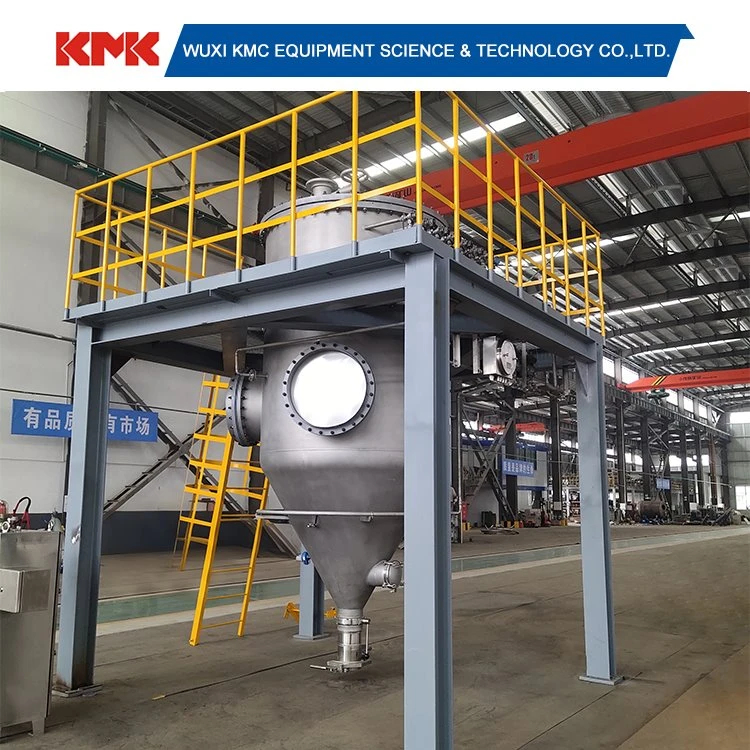

- Pure Titanium: Commercially pure titanium (CP titanium) is available in different grades, with varying levels of impurities. CP titanium offers excellent corrosion resistance and is often used in applications where the purity of the product is critical, such as in the pharmaceutical and food industries. In a Fall Film Evaporator used for the concentration of pharmaceutical solutions, pure titanium can ensure that the product remains uncontaminated by corrosion products.
- Titanium Alloys: Titanium alloys, such as Ti - 6Al - 4V, offer improved mechanical properties compared to pure titanium while maintaining good corrosion resistance. These alloys are often used in applications where high strength and corrosion resistance are required, such as in aerospace and chemical processing. In a Fall Film Evaporator operating under high-pressure and high-temperature conditions, titanium alloys can provide the necessary strength and durability.
3. Glass
Glass is a non-metallic material that offers excellent corrosion resistance to a wide range of chemicals, including acids, alkalis, and organic solvents. It is transparent, which allows for easy visual inspection of the evaporation process. Glass is also inert, which means it does not react with the process fluids, ensuring the purity of the product.
- Borosilicate Glass: Borosilicate glass is a type of glass that contains boron trioxide, which gives it excellent thermal shock resistance and chemical durability. It is commonly used in laboratory equipment and in the construction of small-scale Fall Film Evaporators. Borosilicate glass can withstand high temperatures and rapid temperature changes without cracking, making it suitable for applications where the evaporation process involves heating and cooling cycles.
- Quartz Glass: Quartz glass is a high-purity form of glass that consists mainly of silicon dioxide. It offers excellent transparency in the ultraviolet and infrared regions, as well as high thermal stability and chemical resistance. Quartz glass is often used in applications where high-purity products are required, such as in the semiconductor and optical industries. In a Fall Film Evaporator used for the purification of high-purity chemicals, quartz glass can ensure the quality of the final product.
4. Ceramics
Ceramics are inorganic, non-metallic materials that offer excellent corrosion resistance, high hardness, and high-temperature stability. They are often used in applications where the operating conditions are harsh, such as in the chemical and petrochemical industries.
- Alumina Ceramics: Alumina ceramics are made from aluminum oxide and offer excellent wear resistance, corrosion resistance, and high-temperature stability. They are commonly used in applications where the process fluids are abrasive or corrosive, such as in the mining and chemical industries. In a Fall Film Evaporator used for the concentration of abrasive slurries, alumina ceramics can provide long-term protection against wear and corrosion.
- Silicon Carbide Ceramics: Silicon carbide ceramics offer high thermal conductivity, excellent corrosion resistance, and high mechanical strength. They are often used in applications where high heat transfer rates and corrosion resistance are required, such as in the electronics and energy industries. In a Fall Film Evaporator operating at high temperatures, silicon carbide ceramics can enhance the heat transfer efficiency while maintaining good corrosion resistance.
5. Polymer Materials
Polymer materials offer a wide range of properties, including corrosion resistance, chemical resistance, and low cost. They are often used in applications where the operating conditions are relatively mild and where the weight and cost of the equipment are important considerations.
- Polypropylene (PP): Polypropylene is a thermoplastic polymer that offers good chemical resistance to a wide range of acids, alkalis, and organic solvents. It is lightweight, easy to fabricate, and has a low cost. Polypropylene is commonly used in applications where the operating temperature is below 100°C, such as in the water treatment and food industries. In a Fall Film Evaporator used for the concentration of dilute solutions, polypropylene can provide a cost-effective solution.
- Polytetrafluoroethylene (PTFE): PTFE is a fluoropolymer that offers excellent chemical resistance to almost all chemicals, including strong acids, alkalis, and organic solvents. It has a low coefficient of friction, which makes it resistant to fouling and scaling. PTFE is often used in applications where the process fluids are highly corrosive or where the product purity is critical, such as in the pharmaceutical and semiconductor industries. In a Fall Film Evaporator used for the concentration of aggressive chemicals, PTFE can provide long-term protection against corrosion.
Considerations for Material Selection
When selecting the appropriate corrosion-resistant material for a Fall Film Evaporator, several factors need to be considered:
- Process Fluids: The chemical composition of the process fluids is one of the most important factors to consider. Different materials have different levels of resistance to various chemicals, so it is essential to choose a material that is compatible with the process fluids.
- Operating Conditions: The operating temperature, pressure, and flow rate of the process also affect the material selection. Some materials may not be suitable for high-temperature or high-pressure applications, while others may be prone to erosion or corrosion at high flow rates.
- Product Purity: In applications where the purity of the product is critical, such as in the pharmaceutical and food industries, it is important to choose a material that does not contaminate the product. Materials such as glass, titanium, and PTFE are often used in these applications.
- Cost: The cost of the material is also an important consideration. While some materials may offer excellent corrosion resistance, they may also be expensive. It is important to balance the cost of the material with its performance and durability.
Conclusion
Selecting the appropriate corrosion-resistant material for a Fall Film Evaporator is essential for ensuring the long-term performance and reliability of the equipment. Stainless steel, titanium, glass, ceramics, and polymer materials all offer different levels of corrosion resistance, mechanical strength, and cost. By considering the process fluids, operating conditions, product purity, and cost, it is possible to choose the most suitable material for a specific application.
As a supplier of Fall Film Evaporators, we have extensive experience in selecting the right materials for different applications. We can provide customized solutions based on your specific requirements. If you are interested in learning more about our Fall Film Evaporators or need assistance with material selection, please feel free to [initiate a procurement discussion]. We look forward to working with you to meet your evaporation needs.
References
- ASM Handbook, Volume 13A: Corrosion: Fundamentals, Testing, and Protection. ASM International.
- Perry's Chemical Engineers' Handbook. McGraw - Hill.
- Corrosion Resistance of Engineering Materials. John Wiley & Sons.