

What are the quality standards for a Wipe Film Evaporator?
May 30, 2025
Leave a message
What are the quality standards for a Wipe Film Evaporator?
As a trusted supplier of Wipe Film Evaporators, I understand the importance of adhering to high - quality standards. These evaporators are crucial in various industries, such as chemical, pharmaceutical, and food processing, where the separation and purification of liquids are required. In this blog, I will explore the key quality standards for a Wipe Film Evaporator.
1. Material Quality
The choice of materials plays a fundamental role in determining the quality of a Wipe Film Evaporator. The wetted parts, which come into contact with the process fluids, must be made from materials that are corrosion - resistant and compatible with the substances being processed.
For example, stainless steel is a popular choice due to its excellent corrosion resistance, especially in applications where the process fluid contains acids or alkalis. Higher - grade stainless steels, such as 316L, offer better resistance to pitting and crevice corrosion, ensuring a longer service life of the evaporator. In some cases, where the process fluid is highly corrosive, exotic metals like titanium or nickel - based alloys may be used [1].
The structural components of the evaporator also need to be made from materials that can withstand the mechanical stresses and temperature variations during operation. For instance, the housing and support structures should be fabricated from materials with sufficient strength and rigidity. This ensures that the evaporator remains stable and functional even under harsh operating conditions.
2. Heat Transfer Efficiency
One of the primary functions of a Wipe Film Evaporator is to transfer heat efficiently from the heating medium to the process fluid. High heat transfer efficiency leads to better evaporation rates and energy savings.
The design of the evaporator's heating surface is critical for heat transfer. A well - designed heating surface should have a large surface area in contact with the process fluid to maximize heat transfer. In a Wiped Film Evaporator, the wiped film design helps to create a thin, evenly distributed film of the process fluid on the heating surface, which significantly enhances heat transfer.
The choice of heating medium also affects heat transfer efficiency. Commonly used heating media include steam, hot oil, and electrical heating. Steam is a popular choice because it can provide a large amount of latent heat at a relatively constant temperature. However, proper steam conditioning is necessary to ensure efficient heat transfer.
3. Evaporation Rate and Capacity
The evaporation rate and capacity of a Wipe Film Evaporator are important quality indicators. The evaporation rate is the amount of liquid that can be evaporated per unit time, while the capacity refers to the maximum amount of liquid that the evaporator can handle.
The design of the evaporator, including the size of the heating surface, the rotational speed of the wiper blades, and the flow rate of the process fluid, all influence the evaporation rate. A higher rotational speed of the wiper blades can help to create a thinner film of the process fluid on the heating surface, which increases the evaporation rate.
The capacity of the evaporator is determined by its physical size and design. Larger evaporators generally have a higher capacity, but they also require more space and energy to operate. It is essential to choose an evaporator with a capacity that meets the specific requirements of the application to ensure optimal performance.
4. Product Quality and Purity
In many applications, such as the production of pharmaceuticals or high - value chemicals, the quality and purity of the final product are of utmost importance. A high - quality Wipe Film Evaporator should be able to produce a product with minimal impurities.
The separation efficiency of the evaporator is a key factor in determining product quality. The evaporator should be able to separate the volatile components from the non - volatile components effectively. The design of the vapor separation system, including the mist eliminator and the condenser, plays a crucial role in this process. A well - designed mist eliminator can remove liquid droplets from the vapor phase, preventing them from contaminating the final product.
The residence time of the process fluid in the evaporator also affects product quality. A shorter residence time can reduce the risk of thermal degradation of the product, especially for heat - sensitive materials.
5. Operational Stability and Reliability
Operational stability and reliability are essential for a Wipe Film Evaporator. The evaporator should be able to operate continuously without frequent breakdowns or malfunctions.
The mechanical design of the evaporator is critical for operational stability. The wiper blades, which are responsible for creating the thin film of the process fluid on the heating surface, should be properly balanced and designed to withstand the mechanical stresses during operation. The bearing system used in the evaporator should also be of high quality to ensure smooth rotation of the wiper blades.
The control system of the evaporator is another important aspect of operational stability. A well - designed control system can monitor and adjust the key operating parameters, such as temperature, pressure, and flow rate, to ensure optimal performance. For example, the temperature control system can maintain a constant heating temperature to prevent overheating or under - heating of the process fluid.
6. Safety Features
Safety is a top priority in the design and operation of a Wipe Film Evaporator. The evaporator should be equipped with various safety features to protect the operators and the surrounding environment.
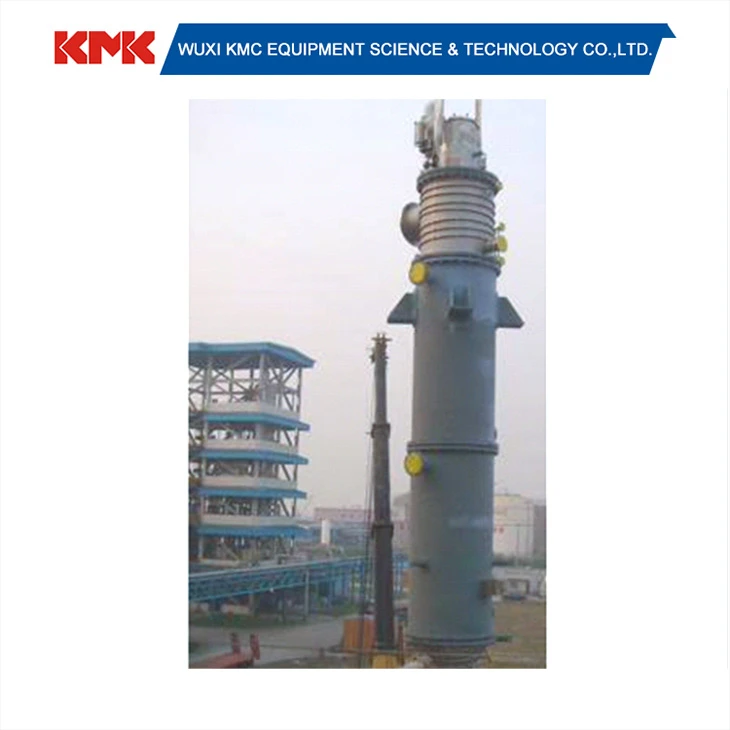
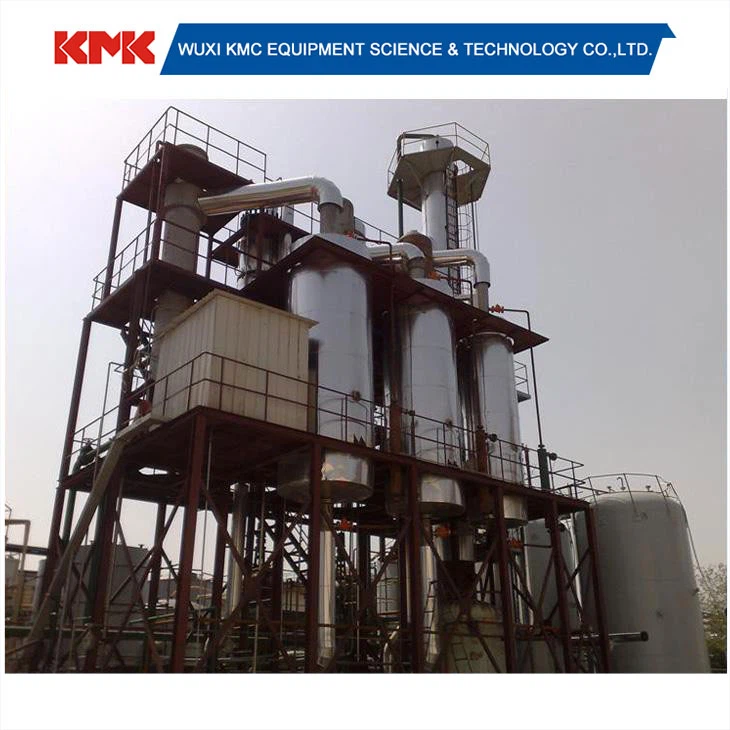
Pressure relief devices, such as safety valves, are essential to prevent over - pressure situations in the evaporator. In case of a sudden increase in pressure, the safety valve will open to release the excess pressure, preventing damage to the evaporator and potential hazards.
Temperature sensors and controllers can also be used to monitor the heating temperature. If the temperature exceeds the set limit, the heating system can be automatically shut down to prevent overheating.
In addition, the evaporator should have proper grounding and electrical safety features to prevent electrical accidents.
7. Cleanability
Cleanability is an important quality standard for a Wipe Film Evaporator, especially in applications where product changeovers are frequent or where strict hygiene requirements need to be met.
The design of the evaporator should allow for easy access to all internal components for cleaning. Smooth surfaces and minimal dead zones can reduce the accumulation of residues and make cleaning more effective. Some evaporators are designed with a self - cleaning function, which can help to reduce the time and effort required for cleaning.
Chemical cleaning agents can be used to remove stubborn residues, but the materials of the evaporator should be compatible with these cleaning agents to avoid corrosion.
If you are in the market for a high - quality Wipe Film Evaporator that meets all these quality standards, we invite you to contact us to discuss your specific requirements. We have a wide range of evaporators, including Climbing And Falling Film Plate Evaporator and High - efficiency Heat Exchangers, and our technical team can provide you with professional guidance and support throughout the procurement process.
References
[1] S. Grund, R. Keil and C. Gmehling, "Evaporators", in Ullmann's Encyclopedia of Industrial Chemistry, Weinheim: Wiley - VCH, 2012.
[2] J. F. Richardson, J. H. Harker and J. R. Backhurst, Chemical Engineering Vol 6, Particle Technology and Separation Processes, Oxford: Butterworth - Heinemann, 2002.