

What are the materials of construction for wiped film evaporators?
Dec 16, 2025
Leave a message
Yo, what's up! I'm here as a supplier of Wiped Film Evaporators, and today I wanna talk about the materials used in constructing these bad boys.
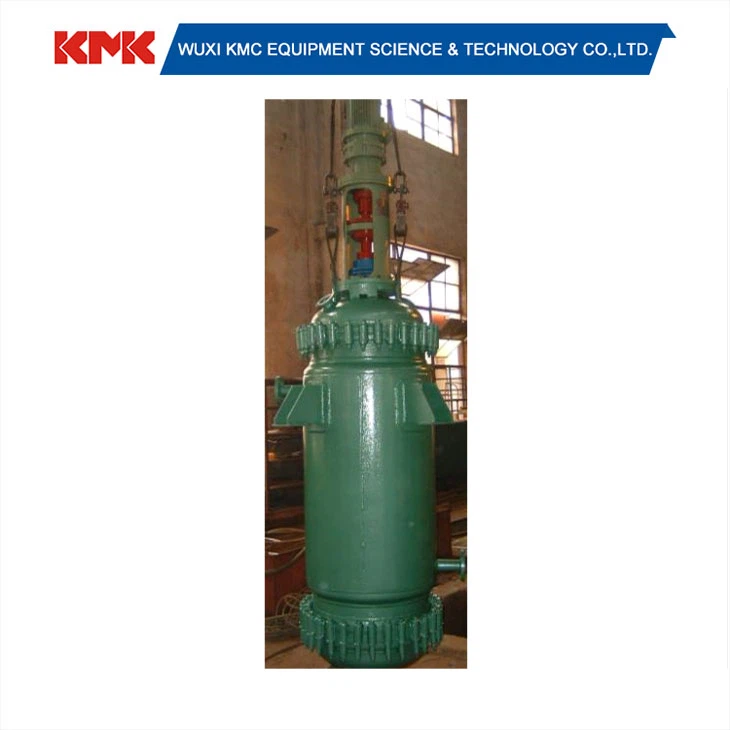

First off, let's understand why the choice of materials matters. Wiped Film Evaporators are used in a wide range of industries, from chemical to food processing. They need to handle different types of substances, some of which can be corrosive, abrasive, or high - temperature. So, the materials have to be tough enough to withstand these conditions and still do their job effectively.
Stainless Steel
One of the most common materials used in the construction of Wiped Film Evaporators is stainless steel. There are several reasons for this. Stainless steel is known for its excellent corrosion resistance. Whether it's dealing with acidic or alkaline substances, stainless steel can hold up well. For example, in the pharmaceutical industry, where strict hygiene standards are a must, stainless steel is a top choice. It's easy to clean and sterilize, which is crucial to prevent cross - contamination.
There are different grades of stainless steel, like 304 and 316. Grade 304 is a general - purpose stainless steel. It's relatively affordable and offers good corrosion resistance in many common applications. On the other hand, 316 stainless steel contains molybdenum, which gives it even better resistance to corrosion, especially in more aggressive environments. If you're dealing with chemicals that are particularly harsh, 316 is the way to go.
Glass
Glass is another important material used in some Wiped Film Evaporators. Glass has a few unique advantages. First of all, it's transparent. This allows operators to visually monitor the evaporation process. You can see how the liquid is flowing, if there are any bubbles or blockages, which is really helpful for troubleshooting.
Glass is also highly resistant to chemical corrosion. It can handle a wide range of acids and bases without getting damaged. In laboratories, where small - scale evaporation processes are carried out, glass Wiped Film Evaporators are quite popular. They're also easy to clean and don't react with most substances, making them ideal for applications where purity is a concern. However, glass is brittle. It can break if it's dropped or subjected to sudden temperature changes. So, when using glass evaporators, extra care needs to be taken.
Titanium
Titanium is a high - performance material that's used in more specialized Wiped Film Evaporators. Titanium has an extremely high strength - to - weight ratio. It's very strong but also relatively light. This makes it suitable for applications where weight is a concern, like in some mobile or portable evaporation systems.
What really sets titanium apart is its outstanding corrosion resistance. It can resist corrosion in some of the most aggressive environments, such as those containing chlorine or seawater. In the chemical industry, where processes involve highly corrosive substances, titanium Wiped Film Evaporators can provide long - term reliability. However, titanium is expensive. The cost of raw materials and the manufacturing process for titanium components are relatively high. So, it's usually used in applications where the benefits outweigh the cost.
Nickel - Based Alloys
Nickel - based alloys are also used in the construction of Wiped Film Evaporators. These alloys offer a combination of high - temperature resistance and corrosion resistance. For example, Inconel is a well - known nickel - based alloy. It can withstand high temperatures without losing its strength, which is important in processes that require evaporation at elevated temperatures.
Inconel and other nickel - based alloys are also resistant to corrosion in various chemical environments. They're often used in the petrochemical industry, where evaporation processes involve high - temperature and corrosive substances. These alloys can provide a long service life, even in harsh operating conditions. But like titanium, nickel - based alloys are expensive, and their use is usually limited to applications where their unique properties are absolutely necessary.
Polymer Coatings
Sometimes, polymer coatings are applied to the internal surfaces of Wiped Film Evaporators. These coatings can provide an additional layer of protection against corrosion and abrasion. For example, PTFE (polytetrafluoroethylene) is a popular polymer coating. It has a very low coefficient of friction, which means that the liquid being evaporated can flow more easily over the surface.
PTFE is also highly resistant to chemicals and can withstand a wide range of temperatures. Applying a PTFE coating can extend the lifespan of the evaporator, especially in applications where the liquid being processed is abrasive or corrosive. However, the quality of the coating is crucial. If the coating is not applied properly, it can peel off or develop defects, which can then lead to problems with corrosion and performance.
Now, let's talk about how these different materials are combined in a Wiped Film Evaporator. In most cases, different parts of the evaporator are made from different materials based on their specific functions. For example, the outer shell of the evaporator might be made from stainless steel for its strength and corrosion resistance. The internal heating elements could be made from a high - temperature - resistant material like a nickel - based alloy. And the wipers, which are used to spread the liquid evenly over the evaporation surface, might be made from a material that's resistant to abrasion and chemical attack.
When choosing a Wiped Film Evaporator, it's important to consider the specific requirements of your application. If you're working in a laboratory environment, a glass evaporator might be the best choice for its transparency and chemical resistance. But if you're in the chemical industry dealing with highly corrosive substances, a titanium or nickel - based alloy evaporator could be more suitable.
If you're interested in learning more about different types of evaporators, you can check out these links: Scraped Surface Evaporator, Thin Film Evaporator For Evaporation System, and Multiple Effect Evaporators.
We're here to help you find the perfect Wiped Film Evaporator for your needs. Whether you need advice on the right materials or want to discuss a custom - made solution, don't hesitate to reach out. We can work together to make sure you get an evaporator that performs well and lasts a long time. So, if you're in the market for a Wiped Film Evaporator, let's start the conversation and see how we can help you out.
References
- Perry, R. H., & Green, D. W. (Eds.). (1997). Perry's Chemical Engineers' Handbook. McGraw - Hill.
- Schweitzer, P. A. (2004). Corrosion Resistance Tables. McGraw - Hill.