

What are the key components of a thin layer evaporator?
May 16, 2025
Leave a message
Hey there! As a supplier of thin layer evaporators, I've got a ton of knowledge about these amazing machines. Today, I'm gonna break down the key components of a thin layer evaporator so you can understand how they work and why they're so useful.
1. Evaporator Body
The evaporator body is the main structure that houses all the other components. It's usually made of high - quality stainless steel or other corrosion - resistant materials. This is important because thin layer evaporators are often used to process corrosive substances. The body needs to be strong and durable to withstand the pressure and temperature changes during the evaporation process. It also has an appropriate insulation layer to reduce heat loss, which helps in energy efficiency.
2. Heating Jacket
The heating jacket is wrapped around the evaporator body. Its job is to provide the heat necessary for evaporation. There are different ways to heat the jacket. Some use steam, which is a common and efficient method. Steam can transfer a large amount of heat quickly. Others may use hot oil or electrical heating elements. The choice of heating medium depends on the specific requirements of the process, such as the required temperature range and the nature of the substances being processed.
3. Rotor Assembly
The rotor assembly is one of the most critical parts of a thin layer evaporator. It consists of a shaft and blades or wipers. The shaft rotates at a certain speed, and the blades or wipers attached to it spread the liquid feed into a thin film on the inner surface of the evaporator body. This thin film has a large surface area, which greatly enhances the evaporation rate.
There are different types of rotor designs. For example, the Scraping Film Evaporator uses scraping blades that continuously scrape the liquid film along the evaporator wall. This helps to prevent fouling and ensures uniform heat transfer. The Wiped Film Evaporators and Wipe Film Evaporator use wipers to spread the liquid evenly. These wipers can be made of different materials, like Teflon or stainless steel, depending on the chemical compatibility with the processed substances.

4. Feed System
The feed system is responsible for introducing the liquid feed into the evaporator. It usually includes a pump and a control valve. The pump is used to transfer the liquid from the storage tank to the evaporator at a controlled flow rate. The control valve allows operators to adjust the flow of the feed according to the evaporation capacity of the machine and the requirements of the process.
5. Vapor Outlet
The vapor outlet is where the evaporated vapor leaves the evaporator. It's connected to a condenser system. The vapor outlet is designed to minimize pressure drop and ensure smooth flow of the vapor. A well - designed vapor outlet helps to maintain the efficiency of the evaporation process.

6. Condenser System
The condenser system is connected to the vapor outlet. Its main function is to convert the vapor back into a liquid state. There are different types of condensers, such as shell - and - tube condensers and plate condensers. The choice of condenser depends on factors like the type of vapor, the required cooling capacity, and the available cooling medium (usually water or refrigerant).
7. Vacuum System
Most thin layer evaporators operate under vacuum conditions. The vacuum system is used to create and maintain a low - pressure environment inside the evaporator. By reducing the pressure, the boiling point of the liquid is lowered, which allows for evaporation at lower temperatures. This is beneficial for processing heat - sensitive substances. The vacuum system usually consists of a vacuum pump and associated valves and piping.
8. Product Discharge System
After evaporation, the concentrated product needs to be removed from the evaporator. The product discharge system is responsible for this task. It can be a simple gravity - based system or a more complex pump - assisted system, depending on the viscosity and flow characteristics of the concentrated product.
Why These Components Matter
Each of these components plays a vital role in the overall performance of the thin layer evaporator. For example, without a properly functioning rotor assembly, the liquid won't form a thin enough film, and the evaporation rate will be low. A faulty heating jacket can lead to uneven heating, which may damage the product or reduce the efficiency of the process.
The feed system ensures a continuous supply of the liquid to be evaporated, while the vapor outlet and condenser system work together to collect and condense the vapor. The vacuum system is crucial for processing heat - sensitive materials, and the product discharge system ensures that the concentrated product can be efficiently removed.
How We Can Help
As a supplier of thin layer evaporators, we understand the importance of these components. We offer high - quality thin layer evaporators that are designed with the latest technology and use top - notch materials. Our team of experts can help you choose the right evaporator based on your specific needs, whether you're processing food products, pharmaceuticals, or chemicals.
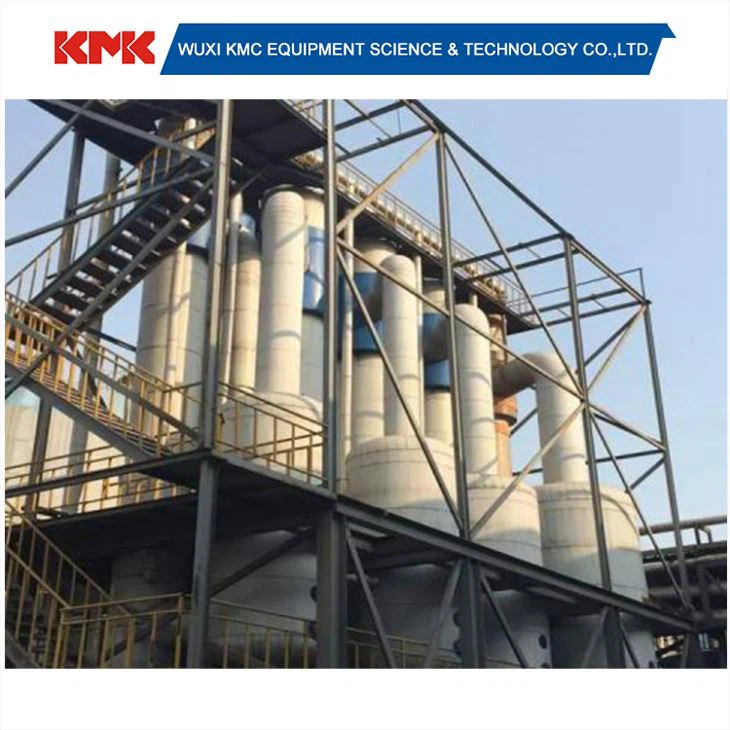
If you're interested in learning more about our thin layer evaporators or have any questions about the components or how they work, don't hesitate to reach out. We're here to assist you in finding the best solution for your evaporation needs. Whether you're looking to upgrade your existing equipment or start a new project, we've got you covered.
References
- Perry, R. H., & Green, D. W. (Eds.). (1997). Perry's Chemical Engineers' Handbook. McGraw - Hill.
- Geankoplis, C. J. (1993). Transport Processes and Unit Operations. Prentice - Hall.