

What are the control strategies for a Rising Film Evaporator?
Jul 10, 2025
Leave a message
Hey there! As a supplier of Rising Film Evaporators, I've seen firsthand how crucial it is to have effective control strategies for these machines. In this blog post, I'll share some of the key control strategies that can help you get the most out of your Rising Film Evaporator.
1. Temperature Control
Temperature is one of the most critical factors in the operation of a Rising Film Evaporator. The right temperature ensures efficient evaporation and prevents issues like product degradation.
- Setpoint Adjustment: First off, you need to set the right temperature setpoint. This depends on the properties of the liquid you're evaporating. For example, if you're dealing with a heat - sensitive product, you'll want to keep the temperature on the lower side. You can usually adjust the setpoint through the control panel of the evaporator.
- Monitoring and Feedback: Continuously monitor the temperature inside the evaporator. Most modern Rising Film Evaporators come with temperature sensors that send real - time data to the control system. If the temperature deviates from the setpoint, the control system can adjust the heating source, such as steam flow or electrical power, to bring it back in line.
2. Flow Rate Control
The flow rate of the feed liquid and the vapor has a significant impact on the performance of the evaporator.
- Feed Liquid Flow: The feed liquid flow rate needs to be carefully controlled. If it's too high, the liquid may not have enough time to evaporate properly, leading to lower concentration efficiency. On the other hand, if it's too low, it can cause dry - out in the tubes, which is not only inefficient but can also damage the evaporator. You can use flow meters and control valves to regulate the feed liquid flow. For instance, a variable - speed pump can adjust the flow rate based on the process requirements.
- Vapor Flow: Controlling the vapor flow is also essential. The vapor generated during evaporation needs to be removed efficiently to maintain the right pressure inside the evaporator. A well - designed vapor outlet system with adjustable valves can help manage the vapor flow. This ensures that the pressure remains stable and the evaporation process continues smoothly.
3. Pressure Control
Maintaining the right pressure is vital for the operation of a Rising Film Evaporator.
- Operating Pressure: The operating pressure affects the boiling point of the liquid. In most cases, a vacuum is applied to lower the boiling point, especially when dealing with heat - sensitive materials. The control system should be able to maintain the desired vacuum level. This can be achieved through vacuum pumps and pressure sensors. If the pressure increases above the set value, the vacuum pump can be adjusted to increase the suction, bringing the pressure back down.
- Pressure Fluctuations: Pressure fluctuations can disrupt the evaporation process. Sudden changes in pressure can cause uneven evaporation and may even lead to liquid carry - over. To prevent this, the control system should have measures in place to dampen pressure fluctuations. For example, using pressure - stabilizing devices like surge tanks.
4. Concentration Control
The goal of using a Rising Film Evaporator is often to increase the concentration of a liquid.
- On - line Monitoring: To control the concentration, you need to monitor it in real - time. There are various methods for on - line concentration measurement, such as refractometers or density meters. These devices can provide continuous data on the concentration of the liquid in the evaporator.
- Feedback Control: Based on the concentration data, the control system can adjust the process parameters. If the concentration is lower than the desired level, it can reduce the feed liquid flow rate or increase the heating to enhance evaporation. Conversely, if the concentration is too high, it can increase the feed flow or reduce the heating.
5. Foam Control
Foaming can be a major issue in a Rising Film Evaporator, especially when dealing with certain types of liquids.
- Foam Detection: Use foam sensors to detect the presence of foam. These sensors can be installed at strategic locations in the evaporator, such as near the vapor outlet or in the liquid section.
- Antifoam Addition: Once foam is detected, the control system can trigger the addition of antifoam agents. The amount of antifoam added can be adjusted based on the severity of the foaming. This helps to prevent foam from overflowing and interfering with the evaporation process.
6. Cleaning and Maintenance Control
Regular cleaning and maintenance are essential for the long - term performance of a Rising Film Evaporator.
- Scheduled Cleaning: Set up a cleaning schedule based on the type of liquid being evaporated and the operating conditions. The control system can be programmed to remind operators when it's time for cleaning. For example, after a certain number of operating hours or batches, an alarm can be triggered.
- Clean - in - Place (CIP) Systems: Many modern Rising Film Evaporators are equipped with CIP systems. The control system can manage the CIP process, including the flow rate of the cleaning solution, the temperature, and the duration of the cleaning cycle. This ensures thorough cleaning without the need for manual disassembly in most cases.
Additional Considerations
- Integration with Other Systems: A Rising Film Evaporator is often part of a larger production process. It's important to integrate its control system with other systems in the plant, such as upstream feed systems and downstream product handling systems. This allows for seamless operation and better overall process control.
- Operator Training: Even with the most advanced control systems, operators need to be well - trained. They should understand how to operate the control panel, interpret the data, and respond to alarms. Regular training sessions can help ensure that the operators are competent in managing the evaporator.
If you're looking for a reliable Rising Film Evaporator or need more information on control strategies, we're here to help. Our evaporators are designed with the latest technology and can be customized to meet your specific requirements. We also offer comprehensive support for installation, operation, and maintenance.
If you're interested in learning more about our products or have any questions regarding control strategies for Rising Film Evaporators, feel free to reach out. We'd love to have a chat and discuss how we can help you optimize your evaporation process.

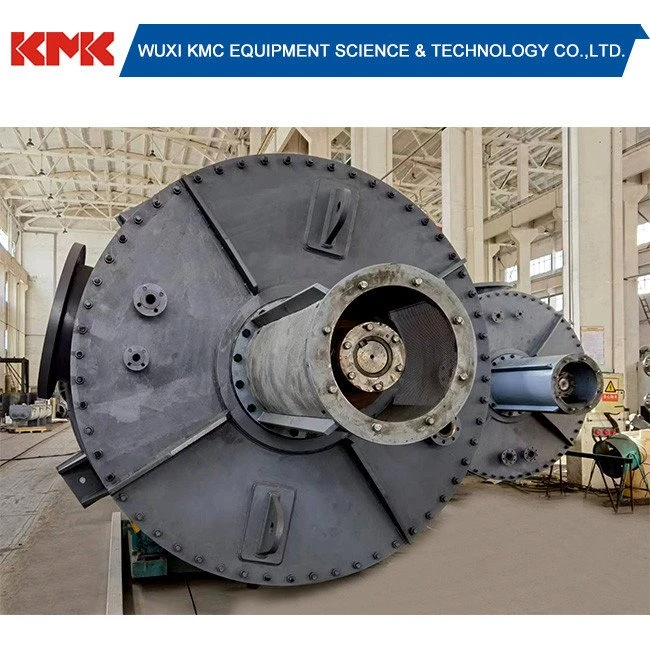
For those who are also interested in other types of evaporators, you can check out Multiple Effect Evaporators, Multiple Effect Evaporator, and Centrifugal Thin Film Vacuum Evaporator.
References
- Perry, R. H., & Green, D. W. (1997). Perry's Chemical Engineers' Handbook. McGraw - Hill.
- Geankoplis, C. J. (1993). Transport Processes and Unit Operations. Prentice - Hall.