

What are the common problems with wiped film evaporators and how to solve them?
Jan 15, 2026
Leave a message
Wiped film evaporators are essential pieces of equipment in various industries, including chemical, pharmaceutical, and food processing. They are known for their high efficiency in separating and purifying heat-sensitive and viscous materials. However, like any complex machinery, they can encounter several common problems. As a wiped film evaporators supplier, I have dealt with numerous issues faced by our clients and have found effective solutions. In this blog, I will discuss the most prevalent problems with wiped film evaporators and share strategies to solve them.
1. Poor Heat Transfer
One of the most common problems with wiped film evaporators is poor heat transfer. This can significantly reduce the efficiency of the evaporation process, leading to longer processing times and increased energy consumption.
Causes
- Fouling: Over time, deposits can build up on the heating surface of the evaporator. These deposits can be caused by the materials being processed, such as polymers, salts, or other contaminants. Fouling acts as an insulating layer, reducing the heat transfer coefficient.
- Inadequate Film Thickness: If the film thickness on the heating surface is too thick, it can impede heat transfer. This can occur if the feed rate is too high or the wiper system is not functioning properly.
- Low Heat Transfer Fluid Temperature: Insufficient temperature of the heat transfer fluid can also result in poor heat transfer. This may be due to problems with the heating system or incorrect settings.
Solutions
- Regular Cleaning: Implement a regular cleaning schedule to prevent fouling. Chemical cleaning agents can be used to remove deposits from the heating surface. For more stubborn deposits, mechanical cleaning methods such as scraping or brushing may be necessary.
- Optimize Feed Rate and Wiper System: Adjust the feed rate to ensure an appropriate film thickness on the heating surface. Additionally, regularly inspect and maintain the wiper system to ensure it is functioning correctly. Worn or damaged wipers should be replaced promptly.
- Check and Adjust Heat Transfer Fluid Temperature: Verify that the temperature of the heat transfer fluid is within the recommended range. Check the heating system for any malfunctions and adjust the settings as needed.
2. Leakage
Leakage is another common issue that can occur in wiped film evaporators. It can lead to product loss, environmental pollution, and safety hazards.
Causes
- Seal Failure: The seals in the evaporator, such as gaskets and O-rings, can deteriorate over time due to high temperatures, chemical exposure, or mechanical stress. This can result in leaks at the joints and connections.
- Cracked or Damaged Components: Cracks or damage to the evaporator shell, tubes, or other components can also cause leakage. This may be due to improper installation, thermal stress, or corrosion.
- Loose Fittings: Loose bolts, nuts, or other fittings can create gaps that allow fluid to leak out.
Solutions
- Replace Seals Regularly: Establish a maintenance schedule to replace seals at regular intervals. Use high-quality seals that are compatible with the materials being processed and the operating conditions of the evaporator.
- Inspect and Repair Components: Conduct regular inspections of the evaporator components to detect any cracks or damage. Repair or replace damaged components as soon as possible to prevent further leakage.
- Tighten Fittings: Ensure that all fittings are properly tightened. Use a torque wrench to apply the correct amount of torque to bolts and nuts.
3. Foaming
Foaming can occur during the evaporation process, which can cause problems such as reduced evaporation efficiency, product carryover, and clogging of the condenser.
Causes
- Surface Active Agents in the Feed: The presence of surface active agents, such as surfactants or emulsifiers, in the feed material can cause foaming. These agents reduce the surface tension of the liquid, making it easier for bubbles to form.
- High Agitation: Excessive agitation during the evaporation process can also lead to foaming. This can occur if the wiper system is operating at too high a speed or if there is turbulence in the feed stream.
- Incorrect Operating Conditions: Operating the evaporator at too high a temperature or pressure can contribute to foaming.
Solutions
- Use Anti-Foaming Agents: Add anti-foaming agents to the feed material to reduce foaming. These agents work by breaking up the bubbles and reducing the surface tension of the liquid.
- Adjust Agitation and Operating Conditions: Reduce the speed of the wiper system or adjust the feed stream to minimize agitation. Additionally, optimize the operating temperature and pressure to prevent foaming.
- Install a Foam Breaker: A foam breaker can be installed in the evaporator to break up the foam before it reaches the condenser. This can help prevent clogging and improve evaporation efficiency.
4. Product Degradation
Product degradation can occur in wiped film evaporators, especially when processing heat-sensitive materials. It can result in a loss of product quality and yield.
Causes
- High Temperature Exposure: Excessive temperature during the evaporation process can cause thermal degradation of the product. This can occur if the heat transfer fluid temperature is too high or if the residence time of the product in the evaporator is too long.
- Oxidation: Exposure to oxygen can also lead to product degradation. This can happen if there is a leak in the evaporator or if the product is not properly protected from air during the process.
- Contamination: Contamination from other materials or impurities can cause chemical reactions that degrade the product.
Solutions
- Optimize Temperature and Residence Time: Adjust the operating temperature and residence time to minimize thermal degradation. Use a lower heat transfer fluid temperature and reduce the time the product spends in the evaporator.
- Prevent Oxidation: Use inert gases such as nitrogen to purge the evaporator and prevent oxygen from coming into contact with the product. Ensure that all seals and connections are tight to prevent leaks.
- Maintain a Clean Environment: Implement strict cleanliness protocols to prevent contamination. Regularly clean the evaporator and all associated equipment, and use high-quality raw materials.
5. Wiper System Malfunction
The wiper system is a critical component of the wiped film evaporator. Malfunctions can lead to uneven film distribution, poor heat transfer, and reduced evaporation efficiency.
Causes
- Wear and Tear: The wipers are subject to constant wear and tear due to the friction with the heating surface. Over time, this can cause the wipers to become worn or damaged.
- Improper Installation: Incorrect installation of the wiper system can lead to misalignment or improper contact with the heating surface.
- Lack of Lubrication: Insufficient lubrication of the wiper system can cause increased friction and wear.
Solutions
- Regular Inspection and Replacement: Conduct regular inspections of the wiper system to detect any signs of wear or damage. Replace worn or damaged wipers promptly to ensure proper operation.
- Proper Installation: Ensure that the wiper system is installed correctly according to the manufacturer's instructions. Check for proper alignment and contact with the heating surface.
- Lubrication: Provide adequate lubrication to the wiper system to reduce friction and wear. Use a lubricant that is compatible with the materials being processed and the operating conditions of the evaporator.
Conclusion
As a [your role] at a [your company type] specializing in Wiped Film Evaporators, I understand the importance of addressing these common problems promptly and effectively. By implementing the solutions outlined above, you can ensure the optimal performance of your wiped film evaporator, improve product quality and yield, and reduce operating costs.
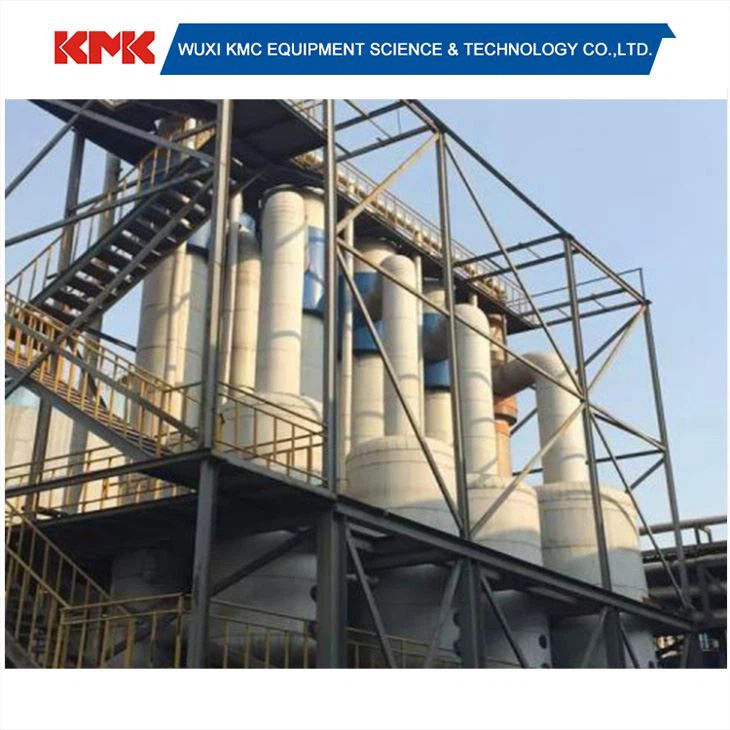
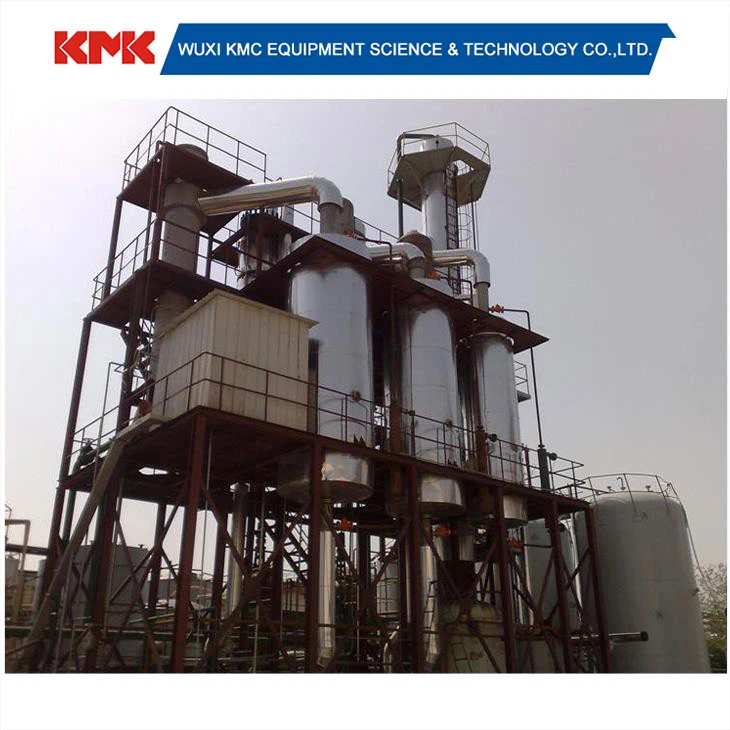
If you are experiencing any issues with your wiped film evaporator or are considering purchasing a new one, we are here to help. Our team of experts has extensive experience in the design, installation, and maintenance of Thin Film And Wiped Film Evaporators and Climbing And Falling Film Plate Evaporator. We can provide customized solutions to meet your specific needs.
Contact us today to discuss your requirements and explore how our wiped film evaporators can benefit your business. We look forward to the opportunity to work with you.
References
- Perry, R. H., & Green, D. W. (Eds.). (2008). Perry's Chemical Engineers' Handbook. McGraw-Hill.
- Walas, S. M. (1988). Chemical Process Equipment: Selection and Design. Butterworth-Heinemann.
- Coulson, J. M., Richardson, J. F., Backhurst, J. R., & Harker, J. H. (1999). Chemical Engineering Volume 6: Design and Operation. Butterworth-Heinemann.