

How to select the cooling system for thin film drying?
May 09, 2025
Leave a message
Selecting the appropriate cooling system for thin film drying is a critical decision that can significantly impact the efficiency, quality, and cost - effectiveness of the drying process. As a trusted thin film drying system supplier, we understand the complexities involved in this choice. In this blog, we will delve into the key factors to consider when selecting a cooling system for thin film drying and offer some practical insights.
Understanding the Basics of Thin Film Drying
Before we discuss cooling systems, it's essential to have a basic understanding of thin film drying. Thin film drying is a process where a liquid or slurry is spread into a thin film over a heated surface. As the film moves along the surface, the heat causes the solvent or moisture to evaporate, leaving behind a dry product. This method is widely used in various industries, such as pharmaceuticals, food processing, and chemical manufacturing, due to its high - efficiency and ability to handle heat - sensitive materials.
Key Factors in Selecting a Cooling System
1. Heat Load
The first step in choosing a cooling system is to determine the heat load. The heat load is the amount of heat that needs to be removed from the thin film drying system. It depends on several factors, including the initial temperature of the feed, the evaporation rate, and the specific heat capacity of the materials involved. A higher heat load requires a more powerful cooling system. For example, if you are drying a large volume of a high - moisture content material, the heat load will be substantial, and you may need a large - capacity chiller or a multi - stage cooling system.

2. Temperature Control Requirements
Different thin film drying processes have different temperature control requirements. Some materials may require a precise temperature range during the drying and cooling stages to maintain their quality and properties. For instance, in pharmaceutical applications, certain drugs may degrade if the temperature deviates from the specified range. Therefore, the cooling system should be able to provide accurate temperature control. Cooling systems with advanced temperature sensors and control algorithms are ideal for such applications.
3. Type of Coolant
The choice of coolant is another important factor. Common coolants include water, glycol - water mixtures, and refrigerants. Water is a widely used coolant due to its low cost and high heat capacity. However, it may not be suitable for applications where the operating temperature is below the freezing point of water. Glycol - water mixtures can prevent freezing and are often used in colder environments. Refrigerants, on the other hand, are used in refrigeration - based cooling systems and can provide very low temperatures.
4. Energy Efficiency
Energy consumption is a significant concern in any industrial process. An energy - efficient cooling system can help reduce operating costs and minimize the environmental impact. Look for cooling systems with high - efficiency compressors, fans, and pumps. Some advanced cooling systems also use heat recovery technologies to reuse the waste heat, further improving energy efficiency.
5. Space and Installation Constraints
The available space for installing the cooling system is an important consideration. In some industrial facilities, space may be limited, and a compact cooling system may be required. Additionally, the installation process should be straightforward and not disrupt the existing thin film drying operations. Modular cooling systems are a good option in such cases as they can be easily assembled and installed.
Types of Cooling Systems for Thin Film Drying
1. Air - Cooled Systems
Air - cooled systems use air as the cooling medium. They are relatively simple and cost - effective to install. These systems typically consist of a condenser with fins and a fan that blows air over the condenser to dissipate heat. Air - cooled systems are suitable for applications with low to moderate heat loads and where water is scarce or expensive. However, they are less efficient than water - cooled systems, especially in hot environments.
2. Water - Cooled Systems
Water - cooled systems use water to remove heat from the thin film drying process. They are more efficient than air - cooled systems and can handle higher heat loads. Water - cooled systems usually include a cooling tower or a chiller. A cooling tower dissipates heat by evaporating a small amount of water, while a chiller uses a refrigeration cycle to cool the water. Water - cooled systems are widely used in large - scale industrial applications.
3. Hybrid Cooling Systems
Hybrid cooling systems combine the advantages of air - cooled and water - cooled systems. They can switch between air - cooling and water - cooling modes depending on the operating conditions. For example, in mild weather conditions, the system can operate in air - cooling mode to save energy, while in hot weather or when the heat load is high, it can switch to water - cooling mode for better performance.
Compatibility with Thin Film Drying Equipment
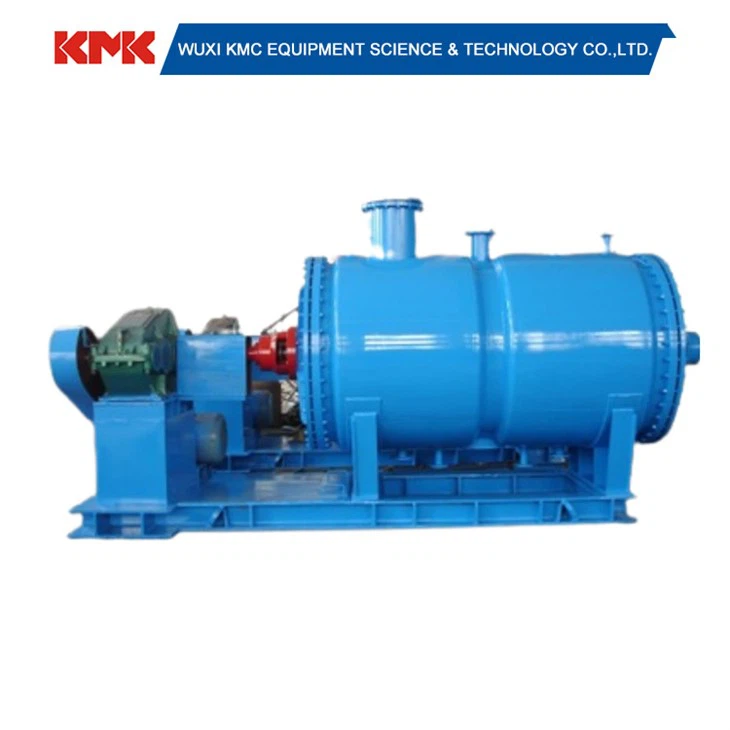
When selecting a cooling system, it's crucial to ensure its compatibility with the thin film drying equipment. Different types of thin film dryers, such as Vacuum Rake Dryer, Rotary Vacuum Dryer, and High Efficiency Vacuum Rake Dryer, have different heat transfer characteristics and operating requirements.

For example, a vacuum rake dryer operates under reduced pressure, which affects the heat transfer and evaporation rates. The cooling system should be able to handle the unique heat load and temperature profiles associated with this type of dryer. Similarly, a rotary vacuum dryer has a rotating drum, and the cooling system should be designed to provide uniform cooling around the drum to ensure consistent drying results.
Maintenance and Reliability
Maintenance is an important aspect of any cooling system. A well - maintained cooling system will operate more efficiently and have a longer lifespan. Look for cooling systems that are easy to maintain, with accessible components and clear maintenance instructions. Regular maintenance tasks may include cleaning the condenser, checking the coolant levels, and inspecting the electrical and mechanical components.
Reliability is also crucial, as any downtime in the cooling system can disrupt the thin film drying process and lead to production losses. Choose a cooling system from a reputable manufacturer with a proven track record of reliability. Some manufacturers offer warranties and after - sales support to ensure the long - term performance of the cooling system.
Cost Considerations
The cost of the cooling system includes the initial purchase cost, installation cost, operating cost, and maintenance cost. While it may be tempting to choose the cheapest option, it's important to consider the long - term costs. A more expensive cooling system with higher energy efficiency and lower maintenance requirements may result in lower overall costs over its lifespan.
Conclusion
Selecting the right cooling system for thin film drying is a complex decision that requires careful consideration of multiple factors. As a thin film drying system supplier, we are committed to helping our customers make the best choice. By understanding the heat load, temperature control requirements, type of coolant, energy efficiency, space constraints, and compatibility with the drying equipment, you can select a cooling system that meets your specific needs.
If you are in the market for a thin film drying system and need assistance with selecting the appropriate cooling system, we invite you to contact us for a consultation. Our team of experts will work closely with you to understand your requirements and recommend the most suitable solution.

References
- Perry, R. H., & Green, D. W. (1997). Perry's Chemical Engineers' Handbook. McGraw - Hill.
- Singh, R. P., & Heldman, D. R. (2001). Introduction to Food Engineering. Academic Press.
- Incropera, F. P., & DeWitt, D. P. (2002). Fundamentals of Heat and Mass Transfer. Wiley.