

How to install thin film dryers?
Aug 14, 2025
Leave a message
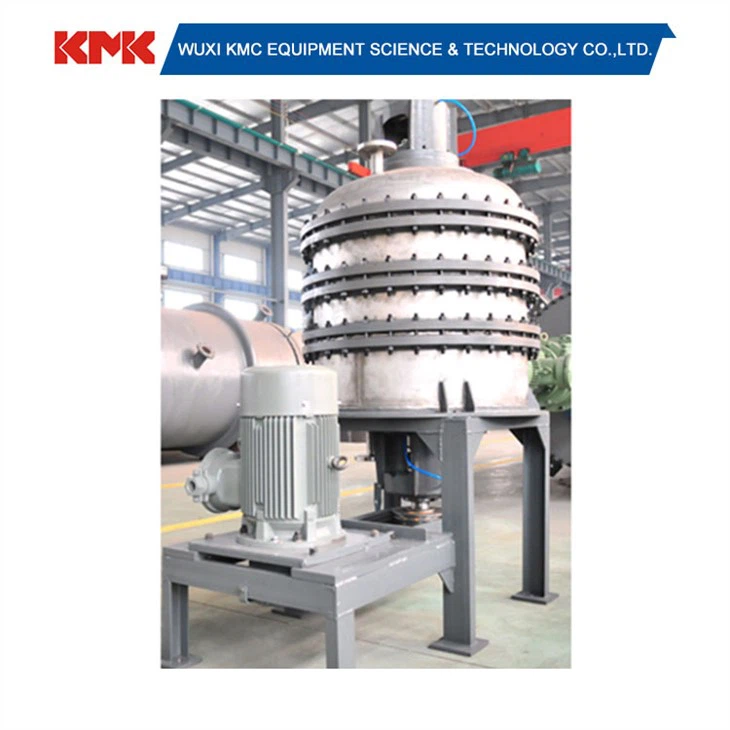
Hey there! If you're in the market for a thin film dryer and wondering how to install it, you've come to the right place. I'm a supplier of Thin Film Dryers, and I'm here to walk you through the installation process step by step.
Pre - installation Checks
Before you even start unpacking the thin film dryer, there are a few things you need to do. First off, make sure you've got the right location. The area should be well - ventilated because thin film dryers can generate heat and sometimes fumes during operation. Also, the floor needs to be level and strong enough to support the weight of the dryer. You don't want it tipping over or causing any structural issues.
Check the dimensions of the space. Measure the length, width, and height of the area where you plan to install the dryer. Compare these measurements with the specifications of the thin film dryer you've purchased. You need to ensure there's enough clearance around the dryer for maintenance and access.
Inspect all the parts that came with the dryer. Look for any signs of damage during shipping. If you find anything, contact your supplier (that's me!) right away. We'll sort out the issue and get you the replacement parts you need.
Unpacking and Assembly
Once you've confirmed that the location is suitable and all parts are in good condition, it's time to unpack the dryer. Be careful while unpacking to avoid any accidental damage. Lay out all the parts in an organized manner so that you can easily identify what you need for each step of the assembly.
Start with the base of the dryer. Place it on the prepared floor. Make sure it's centered and aligned properly. Then, attach the main body of the thin film dryer to the base. Use the bolts and nuts provided in the package. Tighten them securely, but don't over - tighten as it can damage the parts.
Next, you'll need to install the heating elements. These are crucial for the drying process. Follow the instructions carefully to connect them to the appropriate power sources. Make sure all the electrical connections are tight and insulated to prevent any short - circuits.
Connecting Utilities
Thin film dryers usually require a few utilities to operate. The first one is power. Connect the dryer to a suitable power supply. Check the voltage and amperage requirements of the dryer and make sure your power source can handle it. If you're not sure about the electrical connections, it's always a good idea to hire a professional electrician.
Water is another important utility. Many thin film dryers use water for cooling purposes. Connect the water inlet and outlet pipes to the dryer. Ensure there are no leaks in the connections. You can use a sealant or Teflon tape to make the connections watertight.
If your thin film dryer has a vacuum system, you'll need to connect it to a vacuum pump. This is essential for creating the right environment inside the dryer. Follow the instructions to connect the vacuum lines properly. Check for any air leaks in the vacuum system. A leak can affect the performance of the dryer and may lead to longer drying times.
Safety Measures
Safety should always be your top priority during installation. Make sure all the safety guards are in place. These guards protect you from moving parts and hot surfaces. Check that the emergency stop button is working properly. Test it a few times to ensure it can immediately halt the operation of the dryer in case of an emergency.
Install any required grounding for the electrical components. This helps prevent electrical shocks. Also, place warning signs around the dryer to alert people about the potential hazards, such as high temperatures and moving parts.
Testing and Commissioning
After the installation is complete, it's time to test the dryer. Before you start, double - check all the connections and settings. Make sure the power is off while doing this final check.
Turn on the power and start the dryer. Let it run for a short period without any material inside. Observe the operation. Check for any unusual noises, vibrations, or leaks. If you notice anything abnormal, stop the dryer immediately and troubleshoot the issue.
Once you're satisfied with the initial test, you can start loading a small amount of material into the dryer. Monitor the drying process closely. Check the temperature, pressure, and other parameters. Adjust them as needed to achieve the desired drying results.
If you're interested in other types of dryers, we also offer Vacuum Rake Dryer, Agitated Drying Machine, and Agitated Thin Film Dryers. These dryers have their own unique features and applications, and we can help you choose the right one for your specific needs.

Conclusion
Installing a thin film dryer may seem like a complex task, but if you follow these steps carefully, you'll be able to do it successfully. Remember, if you have any questions or run into any problems during the installation process, don't hesitate to reach out to me. I'm here to support you every step of the way.
If you're thinking about purchasing a thin film dryer or any of our other drying equipment, I'd love to have a chat with you. We can discuss your requirements in detail and find the best solution for your business. Contact me to start the procurement discussion, and let's work together to get your drying process up and running smoothly.
References
- Manufacturer's installation manual for thin film dryers
- Industry standards for dryer installation and safety