

How to install a Short Path Evaporator?
Jul 09, 2025
Leave a message
Installing a short path evaporator is a significant process that requires careful planning, technical knowledge, and attention to detail. As a reputable supplier of short path evaporators, we understand the importance of providing comprehensive guidance to our customers. In this blog, we will walk you through the step - by - step process of installing a short path evaporator, ensuring that you can set it up correctly and efficiently.
Pre - installation Preparations
Site Selection
The first step in installing a short path evaporator is to select an appropriate site. The location should be well - ventilated to ensure the safe dispersion of any vapors that may be released during operation. It should also have a stable floor capable of supporting the weight of the evaporator. Additionally, the site should be close to a reliable power source and water supply, as these are essential for the operation of the equipment.
Equipment Inspection
Before installation, it is crucial to thoroughly inspect all the components of the short path evaporator. Check for any signs of damage during transit, such as dents, scratches, or loose parts. Ensure that all the necessary accessories, such as gaskets, seals, and connection pipes, are included in the shipment. Refer to the equipment manual to verify that all the parts are present and in good condition.
Safety Measures
Safety should always be a top priority. Ensure that all personnel involved in the installation are trained in safety procedures. Provide appropriate personal protective equipment (PPE), such as safety glasses, gloves, and lab coats. Familiarize yourself with the emergency shutdown procedures and the location of fire extinguishers and first - aid kits in the installation area.
Installation Steps
Base Installation
The short path evaporator usually comes with a base or frame. Position the base on the selected site and ensure it is level. Use a spirit level to check the horizontal and vertical alignment of the base. Secure the base to the floor using appropriate fasteners, such as bolts or anchors, to prevent any movement during operation.
Assembly of the Evaporator Column
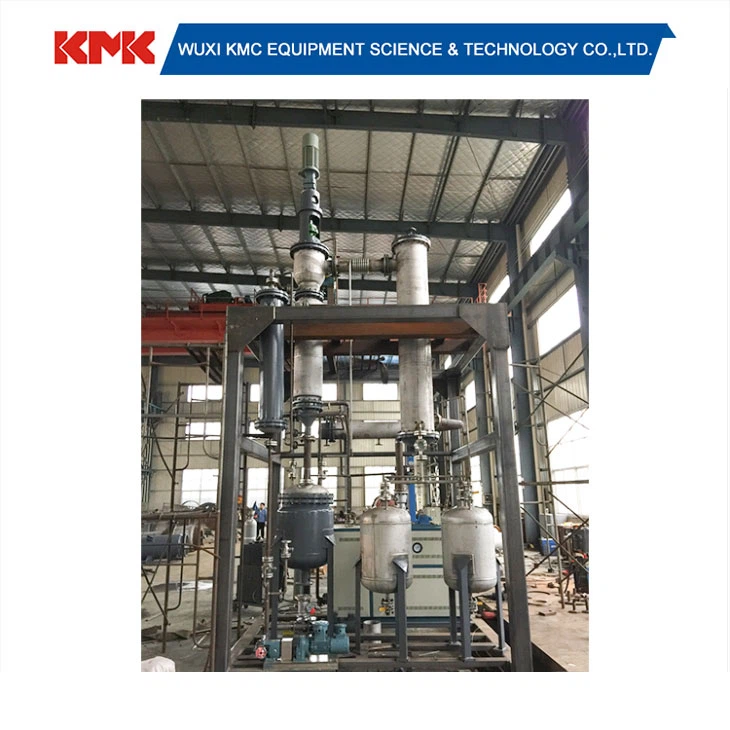
The evaporator column is the core component of the short path evaporator. Carefully assemble the column sections according to the manufacturer's instructions. Make sure that all the connections are tight and sealed properly. Use gaskets or O - rings to prevent any leakage. The column should be installed vertically to ensure proper fluid flow and separation efficiency.
Installation of the Heating System
The heating system is responsible for providing the necessary heat to vaporize the feed material. Connect the heating elements to the power supply according to the electrical specifications provided in the manual. Install the temperature sensors and controllers to monitor and regulate the heating process. Ensure that the heating system is properly insulated to minimize heat loss and improve energy efficiency.
Connection of the Condenser
The condenser is used to condense the vaporized components back into liquid form. Connect the condenser to the evaporator column using appropriate pipes. Ensure that the cooling water supply and return lines are connected correctly. The cooling water should flow in the opposite direction to the vapor flow to maximize the condensation efficiency.
Installation of the Vacuum System
A vacuum system is essential for creating a low - pressure environment inside the short path evaporator, which reduces the boiling point of the feed material. Connect the vacuum pump to the evaporator using vacuum - tight pipes. Install the pressure gauges and valves to monitor and control the vacuum level. Make sure that the vacuum system is properly sealed to prevent any air leakage.
Piping and Instrumentation
Connect all the remaining pipes, such as the feed inlet, product outlet, and residue outlet. Ensure that the pipes are properly sized and installed in a way that allows for easy maintenance and cleaning. Install the necessary valves, flow meters, and other instrumentation to control and monitor the process variables, such as flow rate, pressure, and temperature.
Post - installation Checks
Leak Testing
After the installation is complete, perform a leak test on all the connections and joints. Use a leak detection solution or a vacuum gauge to check for any air or liquid leaks. If any leaks are detected, tighten the connections or replace the gaskets as necessary.
Electrical Checks
Verify that all the electrical connections are secure and properly grounded. Check the functionality of all the electrical components, such as motors, heaters, and controllers. Perform a test run of the equipment to ensure that all the electrical systems are working correctly.
System Commissioning
Once all the checks are completed, start the short path evaporator and gradually increase the operating parameters, such as temperature, pressure, and flow rate. Monitor the performance of the equipment and make any necessary adjustments. Check the quality of the product and the residue to ensure that the separation process is working as expected.
Comparison with Other Evaporators
Short path evaporators have several advantages over other types of evaporators, such as Horizontal Thin Film Evaporators, Wiped Film Evaporator, and Fall Film Evaporator. Short path evaporators offer a shorter residence time, which is beneficial for heat - sensitive materials. They also provide a higher separation efficiency due to the short distance between the evaporation and condensation surfaces.
Conclusion
Installing a short path evaporator is a complex but rewarding process. By following the steps outlined in this blog, you can ensure a successful installation and optimal performance of your equipment. As a trusted supplier of short path evaporators, we are committed to providing our customers with high - quality products and excellent technical support. If you are interested in purchasing a short path evaporator or need further assistance with the installation process, please do not hesitate to contact us for procurement and negotiation.
References
- Manufacturer's Installation Manual for Short Path Evaporators
- Industrial Evaporation Technology Handbook
- Safety Guidelines for Chemical Process Equipment Installation