

How to improve the separation efficiency of a thin film evaporator?
Dec 30, 2025
Leave a message
In the realm of chemical engineering and industrial processing, thin film evaporators play a pivotal role in separating mixtures and concentrating solutions. As a prominent supplier of thin film evaporators, I understand the significance of high separation efficiency in enhancing productivity and reducing costs. This blog post aims to delve into various strategies and techniques that can be employed to improve the separation efficiency of a thin film evaporator.
Understanding the Basics of Thin Film Evaporators
Before we explore the methods to enhance separation efficiency, it is essential to have a clear understanding of how thin film evaporators work. A thin film evaporator is a type of evaporator that uses a rotating wiper blade or a falling film to create a thin film of the feed solution on the heated surface. This thin film allows for efficient heat transfer and rapid evaporation, resulting in the separation of the volatile components from the non-volatile ones.
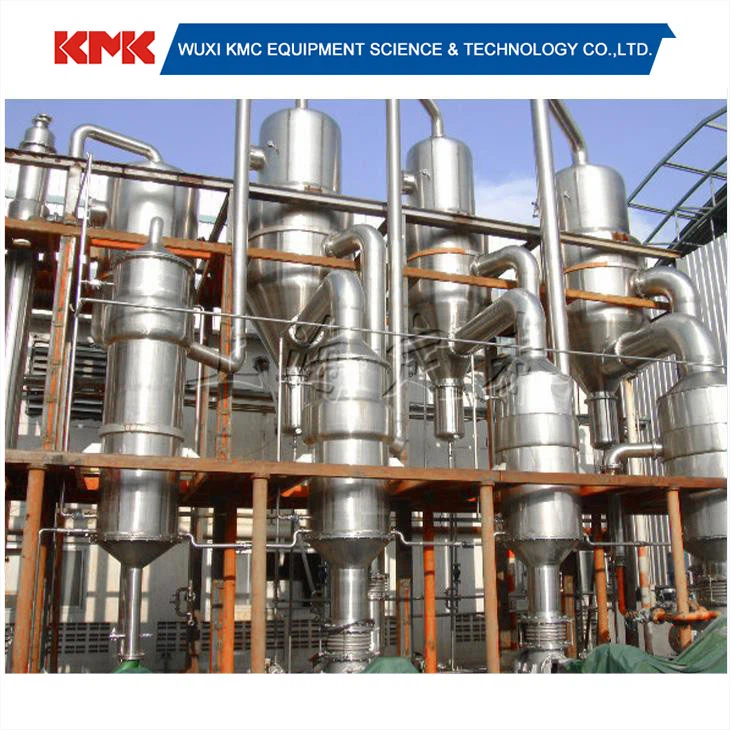
The main components of a thin film evaporator include a heating chamber, a rotating wiper blade or a falling film distributor, a condenser, and a collection system. The feed solution is introduced into the heating chamber, where it is spread into a thin film on the heated surface. The heat causes the volatile components to evaporate, and the vapor is then condensed in the condenser and collected in a separate container. The non-volatile components remain in the heating chamber and are discharged as a concentrated solution.
Factors Affecting Separation Efficiency
Several factors can influence the separation efficiency of a thin film evaporator. Understanding these factors is crucial for optimizing the performance of the evaporator. Some of the key factors include:
1. Feed Properties
The properties of the feed solution, such as its viscosity, surface tension, boiling point, and composition, can significantly affect the separation efficiency. High-viscosity solutions may require higher operating temperatures and longer residence times to achieve efficient evaporation. Similarly, solutions with high surface tension may form thicker films, which can reduce the heat transfer rate and lower the separation efficiency.

2. Operating Conditions
The operating conditions of the thin film evaporator, including the temperature, pressure, feed flow rate, and rotation speed of the wiper blade, can also have a profound impact on the separation efficiency. Higher temperatures generally increase the evaporation rate, but they may also cause thermal degradation of the feed components. Lower pressures can reduce the boiling point of the feed solution, allowing for more efficient evaporation at lower temperatures. However, extremely low pressures may require more expensive vacuum systems and can increase the risk of air leakage.
3. Design and Configuration
The design and configuration of the thin film evaporator, such as the type of wiper blade, the diameter and length of the heating chamber, and the arrangement of the condenser, can also affect the separation efficiency. Different types of wiper blades, such as fixed blades, adjustable blades, and spiral blades, have different characteristics and are suitable for different applications. The diameter and length of the heating chamber can influence the residence time of the feed solution and the heat transfer area. The arrangement of the condenser can affect the condensation efficiency and the recovery of the volatile components.
Strategies to Improve Separation Efficiency
Based on the factors mentioned above, here are some strategies that can be employed to improve the separation efficiency of a thin film evaporator:
1. Optimize Feed Preparation
Proper feed preparation is essential for achieving high separation efficiency. This includes preheating the feed solution to reduce its viscosity, filtering the feed solution to remove any solid particles or impurities, and adjusting the pH and composition of the feed solution if necessary. Preheating the feed solution can improve the heat transfer rate and reduce the energy consumption of the evaporator. Filtering the feed solution can prevent fouling of the heating surface and the wiper blade, which can reduce the heat transfer efficiency and increase the maintenance requirements of the evaporator.
2. Select the Right Operating Conditions
Selecting the right operating conditions is crucial for optimizing the performance of the thin film evaporator. This includes choosing the appropriate temperature, pressure, feed flow rate, and rotation speed of the wiper blade based on the properties of the feed solution and the desired separation efficiency. In general, higher temperatures and lower pressures can increase the evaporation rate and improve the separation efficiency. However, these conditions should be carefully balanced to avoid thermal degradation of the feed components and to ensure the safety and reliability of the evaporator.
3. Choose the Appropriate Design and Configuration
Choosing the appropriate design and configuration of the thin film evaporator is also important for improving the separation efficiency. This includes selecting the right type of wiper blade, the optimal diameter and length of the heating chamber, and the most suitable arrangement of the condenser. For example, fixed blades are suitable for low-viscosity solutions, while adjustable blades are more suitable for high-viscosity solutions. Spiral blades can provide better mixing and heat transfer, especially for solutions with high solids content. The diameter and length of the heating chamber should be chosen based on the feed flow rate and the desired residence time of the feed solution. The arrangement of the condenser should be designed to ensure efficient condensation and recovery of the volatile components.
4. Use Advanced Technologies
Using advanced technologies can also help to improve the separation efficiency of a thin film evaporator. For example, the use of a Forced Circulation Evaporator can enhance the heat transfer rate and reduce the fouling of the heating surface. A forced circulation evaporator uses a pump to circulate the feed solution through the heating chamber, which can increase the turbulence and improve the heat transfer efficiency. Another advanced technology is the use of a Vacuum Evaporation System, which can reduce the boiling point of the feed solution and allow for more efficient evaporation at lower temperatures. Vacuum evaporation systems can also prevent thermal degradation of the feed components and improve the quality of the final product.
5. Implement Regular Maintenance and Cleaning
Regular maintenance and cleaning are essential for ensuring the long-term performance and reliability of the thin film evaporator. This includes inspecting the evaporator for any signs of wear and tear, replacing the worn-out parts, and cleaning the heating surface and the wiper blade regularly. Cleaning the heating surface and the wiper blade can prevent fouling and improve the heat transfer efficiency. It is recommended to use appropriate cleaning agents and procedures to avoid damaging the evaporator.
Conclusion
Improving the separation efficiency of a thin film evaporator is crucial for enhancing productivity and reducing costs in various industrial applications. By understanding the factors that affect separation efficiency and implementing the strategies mentioned above, it is possible to optimize the performance of the evaporator and achieve higher separation efficiency. As a supplier of thin film evaporators, we are committed to providing our customers with high-quality products and technical support to help them improve the separation efficiency of their evaporators. If you are interested in learning more about our thin film evaporators or have any questions about improving separation efficiency, please feel free to contact us for a detailed discussion and procurement negotiation.
References
- Perry, R. H., & Green, D. W. (Eds.). (2008). Perry's Chemical Engineers' Handbook. McGraw-Hill.
- Walas, S. M. (1988). Chemical Process Equipment: Selection and Design. Butterworth-Heinemann.
- Mujumdar, A. S. (Ed.). (2007). Handbook of Industrial Drying. CRC Press.