

How to ensure the stable operation of wiped film evaporators?
May 15, 2026
Leave a message
Wiped film evaporators are essential equipment in various industries, such as chemical, pharmaceutical, and food processing. Ensuring their stable operation is crucial for maintaining high - quality production, reducing downtime, and maximizing efficiency. As a wiped film evaporators supplier, we have in - depth knowledge and rich experience in this field. Here are some key aspects to consider for the stable operation of wiped film evaporators.
1. Equipment Installation and Commissioning
Proper installation is the foundation for the stable operation of wiped film evaporators. First of all, the installation site should be carefully selected. It should be a well - ventilated area with a stable and flat foundation. The floor must be able to bear the weight of the evaporator and related ancillary equipment. Incorrect installation on an uneven surface can lead to misalignment of the internal components, which may cause excessive vibration during operation and eventually damage the equipment.
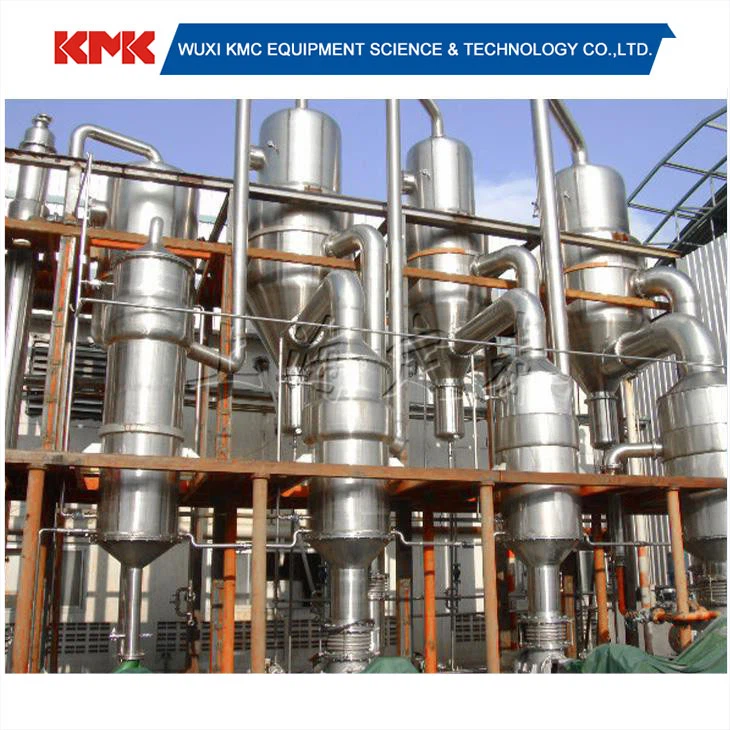

During the installation process, all connections, including pipes for the feed, distillate, and residue, as well as the connection for the heating and cooling systems, must be tightly and correctly installed. Any leaks in the pipes can lead to loss of process fluids, affect the quality of the separation, and even pose safety risks.
After installation, a comprehensive commissioning process is necessary. This includes a series of tests such as leak tests, pressure tests, and running the equipment at low speed initially. The temperatures, pressures, and flow rates at different parts of the evaporator should be monitored and adjusted carefully according to the manufacturer's specifications. For example, if the heating temperature is set too high during commissioning, it may cause thermal decomposition of the feed materials in subsequent operations.
2. Feed Material Characteristics and Pretreatment
The characteristics of the feed material have a significant impact on the stable operation of wiped film evaporators. The viscosity, boiling point, and solid content of the feed are important factors. High - viscosity feed materials can make it difficult for the wiping blades to spread the liquid evenly on the evaporating surface. This may result in uneven evaporation, local over - heating, and reduced heat transfer efficiency.
If the feed contains a high amount of solids, it can cause blockages in the evaporator, especially in the pipes and the wiping mechanism. Therefore, proper pretreatment of the feed material is often required. Filtration can be used to remove large solid particles. For high - viscosity materials, dilution or pre - heating can be employed to reduce the viscosity before entering the evaporator.
Moreover, the composition of the feed should be relatively stable. Fluctuations in the feed composition, such as sudden changes in the concentration of key components, can disrupt the evaporation process. It is advisable to have a buffer tank for the feed to smooth out these fluctuations and ensure a continuous and stable feed to the evaporator.
3. Control of Operating Parameters
Accurate control of operating parameters is vital for the stable operation of wiped film evaporators. These parameters mainly include temperature, pressure, and flow rate.
Temperature Control
The heating temperature in the evaporator should be precisely maintained. Different types of feed materials have different optimal evaporation temperatures. If the temperature is too low, the evaporation rate will be slow, and the production efficiency will be reduced. On the other hand, if the temperature is too high, it may lead to thermal degradation of the feed materials, formation of unwanted by - products, and damage to the equipment. Advanced temperature sensors and controllers can be used to ensure that the temperature remains within the desired range.
Pressure Control
The pressure inside the evaporator also needs to be carefully regulated. A stable pressure is necessary for consistent evaporation. In a wiped film evaporator, the pressure is usually reduced to lower the boiling point of the feed materials, which is beneficial for heat - sensitive substances. However, any sudden changes in pressure can cause fluctuations in the evaporation rate and affect the quality of the separation. Pressure sensors and pressure - regulating valves should be installed to maintain a stable pressure environment.
Flow Rate Control
The flow rate of the feed, distillate, and residue should be well - controlled. A stable feed flow rate ensures a continuous supply of materials to the evaporating surface. If the feed flow rate is too high, the liquid may not be spread evenly on the surface, and the evaporation may be incomplete. Conversely, a very low feed flow rate can lead to over - evaporation and potential dry - out of the evaporating surface. Similarly, the flow rates of the distillate and residue should be adjusted according to the production requirements to maintain a balanced operation.
4. Maintenance and Inspection
Regular maintenance and inspection are essential to ensure the long - term stable operation of wiped film evaporators.
Cleaning
Over time, deposits may accumulate on the evaporating surface, the wiping blades, and inside the pipes. These deposits can reduce the heat transfer efficiency and affect the performance of the wiping mechanism. Therefore, regular cleaning is required. The cleaning method depends on the nature of the deposits. For organic deposits, solvents may be used for cleaning, while for inorganic deposits, acid or alkaline solutions may be more effective. However, care must be taken to choose the appropriate cleaning agents to avoid damage to the equipment.
Lubrication
The moving parts of the wiped film evaporator, such as the motor, bearings, and the wiping mechanism, need proper lubrication. Insufficient lubrication can cause increased friction, wear, and even mechanical failure. Regular checks of the lubricant level and quality should be carried out, and the lubricant should be replaced at the recommended intervals.
Inspection of Components
All components of the evaporator, including the heating elements, sensors, valves, and the wiping blades, should be inspected regularly. Any signs of wear, damage, or corrosion should be detected early and repaired or replaced promptly. For example, worn - out wiping blades can no longer spread the liquid evenly, which will significantly affect the evaporation performance.
5. Comparison with Other Types of Evaporators
Wiped film evaporators have their unique advantages, but it is also useful to compare them with other types of evaporators, such as Forced Circulation Evaporator and Centrifugal Thin Film Evaporator.
Forced circulation evaporators are suitable for handling high - solid - content and highly viscous materials. They use a pump to force the liquid to circulate through the heating tubes. However, they may require more energy for the circulation process compared to wiped film evaporators. In contrast, wiped film evaporators are better at handling heat - sensitive materials due to their short residence time and efficient heat transfer on the evaporating surface.
Centrifugal thin - film evaporators use centrifugal force to spread the liquid into a thin film. They can achieve very high evaporation rates and are suitable for large - scale production. However, they are relatively complex in structure and more expensive. Wiped film evaporators, on the other hand, are more flexible in terms of installation and operation, and are a good choice for medium - scale production.
6. Wiped Film Stills Evaporators
Our Wiped Film Stills Evaporators are designed with advanced technology to ensure stable and efficient operation. They are equipped with high - quality wiping blades that can evenly spread the liquid on the evaporating surface, even for viscous feed materials. The heating system is precisely controlled to provide a stable heat source, and the insulation material is carefully selected to minimize heat loss.
In addition, our wiped film stills evaporators are designed with easy - to - clean features. The internal structure allows for quick and thorough cleaning, reducing the downtime for maintenance. They also come with a comprehensive monitoring system that can continuously monitor the operating parameters and provide alarms in case of any abnormalities.
If you are looking for a reliable wiped film evaporator for your production process, we are here to help. Our team of experts can provide customized solutions based on your specific needs. Whether you are in the chemical, pharmaceutical, or food processing industry, we can offer the most suitable equipment and technical support. Contact us for more information and to discuss your procurement requirements. We are committed to helping you achieve stable and efficient production with our high - quality wiped film evaporators.
References
- Perry, R. H., & Green, D. W. (1997). Perry's Chemical Engineers' Handbook. McGraw - Hill.
- Walas, S. M. (1988). Chemical Process Equipment: Selection and Design. Butterworth - Heinemann.