

How to choose the right condenser for a Fall Film Evaporator system?
Jun 06, 2025
Leave a message
When it comes to optimizing a Fall Film Evaporator system, one of the most critical decisions is choosing the right condenser. As a trusted supplier of Fall Film Evaporators, I understand the intricacies involved in this selection process. In this blog post, I will guide you through the key factors to consider when choosing a condenser for your Fall Film Evaporator system, ensuring that you make an informed decision that meets your specific needs.
Understanding the Role of a Condenser in a Fall Film Evaporator System
Before delving into the selection criteria, it's essential to understand the role of a condenser in a Fall Film Evaporator system. A condenser is a heat exchanger that converts vapor into a liquid state by removing heat from the vapor. In a Fall Film Evaporator system, the condenser plays a crucial role in condensing the vapor generated during the evaporation process. This not only helps in separating the volatile components from the liquid feed but also allows for the recovery of the evaporated solvent or product.
Key Factors to Consider When Choosing a Condenser
1. Heat Transfer Efficiency
Heat transfer efficiency is one of the most important factors to consider when choosing a condenser. A high-efficiency condenser can transfer heat more effectively, reducing the energy consumption of the system and improving the overall performance. When evaluating the heat transfer efficiency of a condenser, consider factors such as the type of heat exchanger (e.g., shell and tube, plate, or spiral), the surface area available for heat transfer, and the thermal conductivity of the materials used.
2. Condensing Capacity
The condensing capacity of a condenser refers to its ability to condense a specific amount of vapor per unit of time. It is crucial to choose a condenser with a condensing capacity that matches the evaporation rate of your Fall Film Evaporator system. If the condenser's capacity is too low, it may not be able to condense all the vapor generated, leading to reduced system efficiency and potential product loss. On the other hand, an oversized condenser can be costly and may not operate optimally.
3. Operating Temperature and Pressure
The operating temperature and pressure of your Fall Film Evaporator system will also influence the choice of condenser. Different condensers are designed to operate within specific temperature and pressure ranges. Make sure to select a condenser that can handle the maximum temperature and pressure conditions expected in your system. Additionally, consider the impact of temperature and pressure on the performance and durability of the condenser materials.
4. Corrosion Resistance
Depending on the nature of the vapor and the process conditions, corrosion can be a significant concern in a condenser. Corrosion can damage the condenser over time, reducing its efficiency and lifespan. When choosing a condenser, select materials that are resistant to corrosion. Common materials used in condensers include stainless steel, titanium, and various alloys. The choice of material will depend on the chemical composition of the vapor and the operating environment.
5. Maintenance Requirements
Regular maintenance is essential to ensure the proper functioning and longevity of a condenser. Consider the maintenance requirements of the condenser, such as cleaning, inspection, and replacement of parts. Some condensers are designed for easy maintenance, with features like removable tube bundles or accessible cleaning ports. Choosing a condenser with low maintenance requirements can save time and money in the long run.
6. Compatibility with the Process Fluid
The condenser must be compatible with the process fluid being evaporated. Some fluids may react with certain condenser materials, leading to corrosion or fouling. It is important to consult with the condenser manufacturer or a process engineer to ensure that the condenser is made from materials that are compatible with your specific process fluid.
Types of Condensers Suitable for Fall Film Evaporator Systems
1. Shell and Tube Condensers
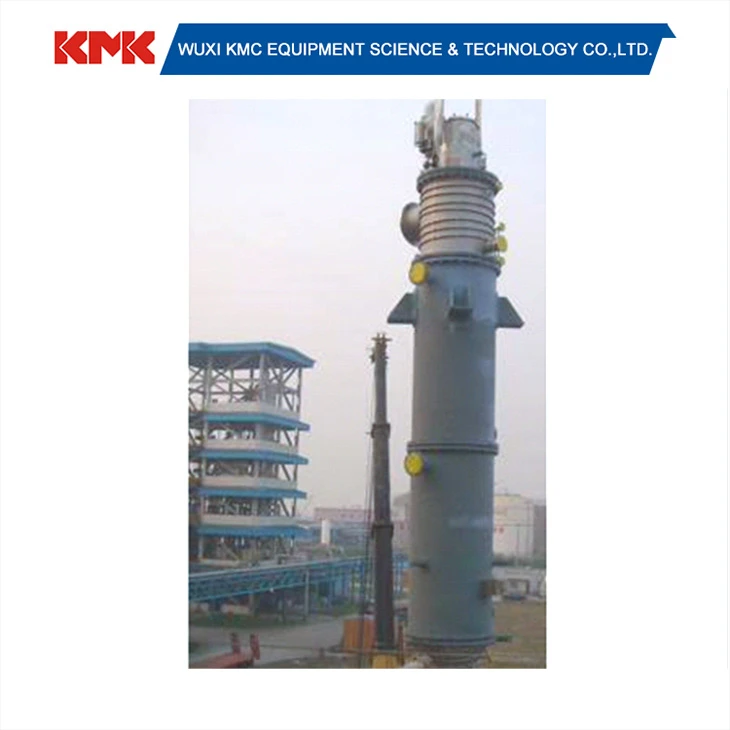
Shell and tube condensers are one of the most commonly used types of condensers in Fall Film Evaporator systems. They consist of a bundle of tubes enclosed in a shell. The vapor flows through the tubes, while the cooling medium (usually water) flows through the shell. Shell and tube condensers offer high heat transfer efficiency, are relatively easy to maintain, and can handle a wide range of operating conditions.

2. Plate Condensers
Plate condensers are another popular choice for Fall Film Evaporator systems. They are made up of a series of thin plates with channels for the vapor and cooling medium. Plate condensers have a high surface area-to-volume ratio, which results in excellent heat transfer efficiency. They are also compact in size and require less space compared to shell and tube condensers. However, plate condensers may be more prone to fouling and may require more frequent cleaning.
3. Spiral Condensers
Spiral condensers are a less common but effective option for Fall Film Evaporator systems. They consist of two concentric spiral channels, one for the vapor and the other for the cooling medium. Spiral condensers offer high heat transfer efficiency and are less prone to fouling compared to plate condensers. They are also suitable for applications where the flow rates of the vapor and cooling medium are relatively low.
Comparing Different Condenser Options
When comparing different condenser options, it's important to evaluate them based on the factors mentioned above. You can also consider the cost of the condenser, including the initial purchase price, installation costs, and operating costs over its lifespan. Additionally, look for references and reviews from other users to get an idea of the performance and reliability of the condenser.
Additional Considerations for Specific Applications
1. Pharmaceutical and Food Industries
In the pharmaceutical and food industries, strict regulations govern the use of equipment. When choosing a condenser for these applications, ensure that it meets the relevant industry standards and requirements, such as Good Manufacturing Practice (GMP) guidelines. The condenser should also be easy to clean and sterilize to prevent contamination of the product.
2. Chemical and Petrochemical Industries
In the chemical and petrochemical industries, condensers may be exposed to highly corrosive and hazardous substances. Choose a condenser made from materials that can withstand the harsh chemical environment. Additionally, consider safety features such as leak detection and prevention systems to protect the operators and the environment.
3. Research and Development
For research and development applications, you may need a condenser that offers flexibility and ease of use. Laboratory Evaporators are often used in these settings, and they typically require condensers that can be easily integrated into the system and adjusted to different experimental conditions.
Making the Final Decision
After considering all the factors and evaluating different condenser options, it's time to make the final decision. Consult with your engineering team, process experts, and the condenser manufacturer to ensure that you choose the right condenser for your Fall Film Evaporator system. Remember that the choice of condenser can have a significant impact on the performance, efficiency, and cost of your system, so take the time to make an informed decision.
Conclusion
Choosing the right condenser for a Fall Film Evaporator system is a critical decision that requires careful consideration of various factors. By evaluating the heat transfer efficiency, condensing capacity, operating temperature and pressure, corrosion resistance, maintenance requirements, and compatibility with the process fluid, you can select a condenser that meets your specific needs. Whether you choose a shell and tube, plate, or spiral condenser, make sure to choose a reliable and high-quality product.
As a Fall Film Evaporator supplier, we have extensive experience in helping our customers choose the right condensers for their systems. If you are in the process of selecting a condenser for your Fall Film Evaporator system or have any questions about our products, we encourage you to contact us. Our team of experts is ready to assist you in making the best decision for your application.
References
- Green, Don W., and Robert H. Perry. Perry's Chemical Engineers' Handbook. McGraw-Hill Education, 2007.
- Sinnott, Raymond K. Chemical Engineering Design: Principles, Practice and Economics of Plant and Process Design. Butterworth-Heinemann, 2005.