

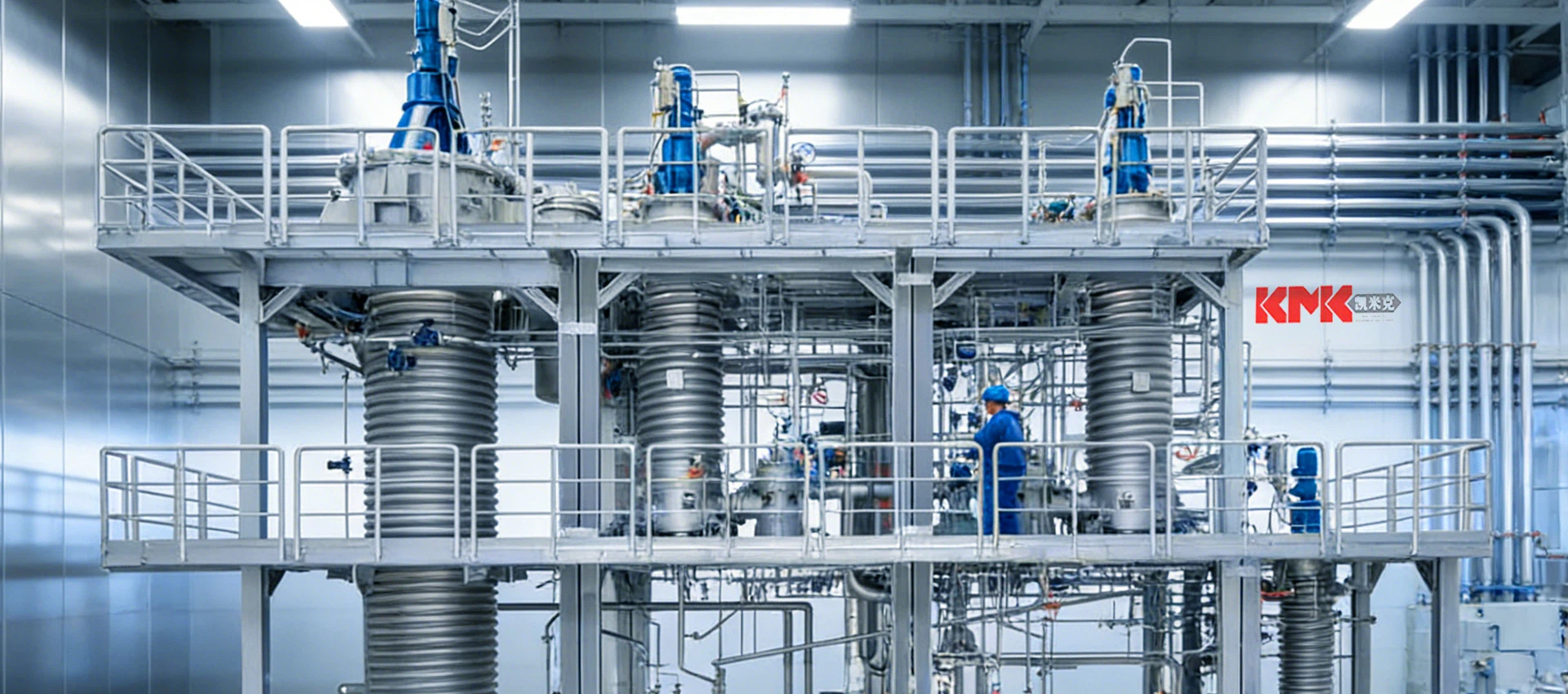
Solvent extraction process and solubility of the extraction column
May 29, 2019
Leave a message
The extraction tower is also called the extraction tower in the process of use, and is a liquid-liquid mass transfer equipment commonly used in industrial sectors such as chemical industry, petroleum refining, and environmental protection. Liquid-liquid extraction is a way of mass transfer. Extract one or several compound components in a mixture solution with another liquid (called a solvent, which is incompatible with the solvent of the mixture solution). It is separated, enriched and purified. This process is called extraction, extraction, liquid-liquid extraction, and solvent extraction. The equipment used is called the extractor, there are one and multiple extractions, there are gaps and continuous extraction process, and the extractor used for continuous multiple extraction is a tower equipment called extraction tower. Its internal structure is to break a liquid into droplets by gravity or mechanical action, and disperse it in another continuous liquid for liquid-liquid extraction.
The extraction column utilizes the difference in solubility or partition coefficient of the compound in two mutually incompatible (or slightly soluble) solvents to transfer the compound from one solvent to another. After repeated extraction and transfer, most of the compounds are extracted. The law of distribution is the main basis for the theory of extraction methods. The substances have different solubility for different solvents. In a solvent that is incompatible with each other, when a certain soluble substance is added, it can be dissolved in two solvents, respectively.
When the extraction column does not decompose, electrolyze, associate and solvate with the two solvents at a certain temperature, the ratio of the compound in the two liquid layers is a constant value. This is true regardless of the amount of material added.www.heczb.com