

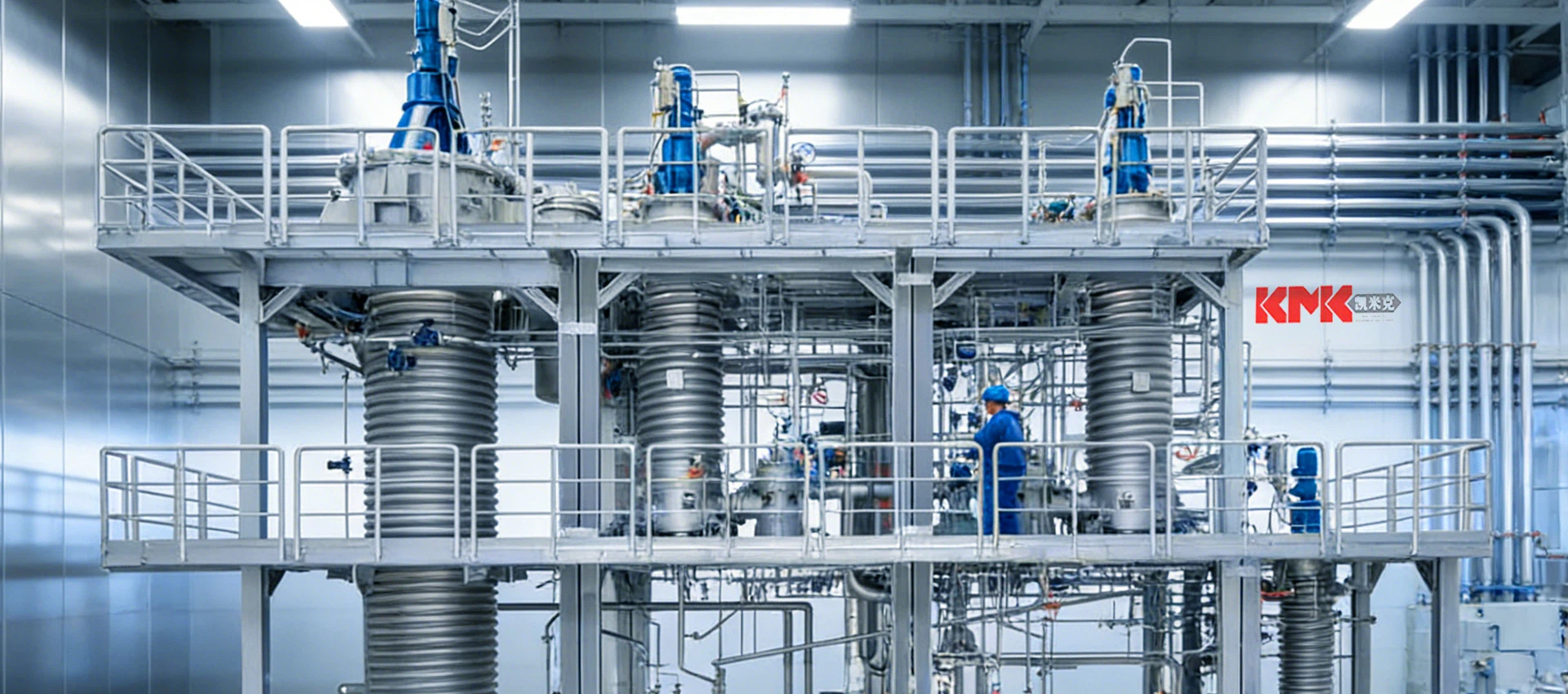

Hydrogen Storage Tank
Description
Technical Parameters
Hydrogen storage tanks are containers for storing hydrogen, which are divided into three categories: solid, liquid, and gaseous. Gaseous hydrogen storage tanks are the most widely used. Low-pressure Hydrogen Storage Tanks require high-pressure compression storage because hydrogen has a low density, so hydrogen storage tanks must be resistant to high pressure. The development of solid-hydrogen storage tanks has gone through the steel and composite material stages. Lightweight high-pressure hydrogen storage tanks use high-performance composite materials, with a pressure resistance of over 350 atmospheres and a mass hydrogen storage density of over 5.0wt%.
Core features
1. Ultra-high pressure - working pressure 35/70MPa, in line with ISO 15869/GB/T 35544 standards.
2. Lightweight design - carbon fiber winding structure, 60% lighter than steel cylinders.
3. Extreme safety - bursting pressure ≥ 2.25 times the working pressure, through extreme tests such as shooting and fire.
4. Fast charging and discharging - supports high-frequency hydrogen charging cycles at ambient temperatures of -40℃~85℃.
5. Intelligent monitoring - optional pressure/temperature/hydrogen leakage real-time monitoring system.

Technical parameters
1. Capacity: in liters or kilograms, such as 300ml for small and several cubic meters for large.
2. Working pressure: Compressed hydrogen storage tanks are usually 350-700 bar (35-70MPa), and some reach 900 bar; the working pressure of liquid hydrogen storage tanks is relatively low; the working pressure of solid hydrogen storage tanks is generally several MPa.
3. Hydrogen storage density: gaseous hydrogen storage density is low, liquid hydrogen storage density is high, and solid hydrogen storage is moderate, such as lightweight high-pressure gaseous hydrogen storage tanks with a mass hydrogen storage density exceeding 5.0wt%.
4. Safety accessories: Solid-state hydrogen storage tanks include safety valves (automatic deflation in overpressure), pressure gauges (monitoring pressure), leak detectors (detecting hydrogen leaks), and emergency relief devices (rapid deflation in emergency).
Typical applications
1. Fuel cell vehicles: onboard hydrogen storage systems for passenger cars/commercial vehicles
2. Hydrogen refueling stations: fixed hydrogen storage bottles
3. Aerospace: UAV/satellite propellant storage
4. Energy reserves: hydrogen storage from renewable energy
Safety system
• Overpressure relief device (TPRD)
• Thermal plug (automatic pressure relief at 110°C)
• Multi-level hydrogen leak monitoring (≤1ppm sensitivity)
• Collision protection frame (meets ECE R134 regulations)


Hot Tags: hydrogen storage tank, China hydrogen storage tank manufacturers, suppliers, factory, chemical storage safety, chemical storage spill prevention, chemical storage wholesaler, chemical storage advantage, chemical storage unit, chemical storage vendor
Previous
Resin Activation TankSend Inquiry


